
Must-Visit Attractions in Nanjing: Exploring the Millennial Charm of the Ancient Capital of Six Dynasties
Nanjing, an ancient capital that witnessed the rise and fall of six dynasties and served as the political center for ten dynasties, exudes a unique blend of historical grandeur and modern vitality. Whether tracing the footsteps of history or immersing in natural beauty, Nanjing offers unforgettable experiences. Below are the must-visit attractions to help you plan an exceptional journey through Jinling (as Nanjing was poetically known).
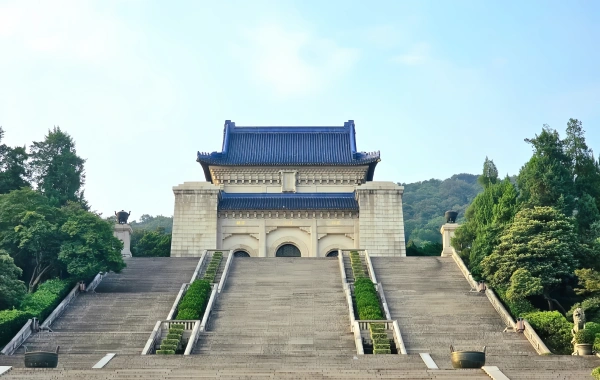
1. Sun Yat-sen Mausoleum – Resting Place of a Visionary, Architectural Marvel
- Highlights: The first grand mausoleum in modern Chinese architectural history, where Dr. Sun Yat-sen rests eternally. Ascend the 392 stone steps to appreciate the symbolic "alarm bell" design and the spirit of universal love. Surrounded by verdant pines and cypresses, the solemn atmosphere culminates in panoramic city views from the peak.
- Transport: Metro Line 2 to "Muxuyuan" or "Xiamafang Station," followed by a walk or shuttle bus. Bus routes 34 or 201 also serve the area.
- Admission: Free entry to the mausoleum (requires real-name reservation). Music Square: ¥10; Ming Xiaoling Scenic Area: ¥70 (often combined with the mausoleum visit).
- Best Time to Visit: Spring or autumn (March–May, September–November), when mild weather complements the lush or autumnal landscapes.
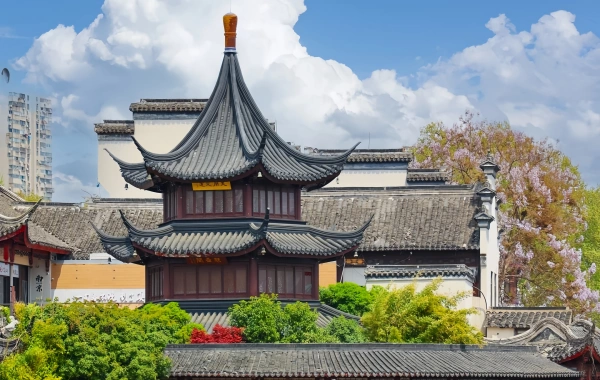
2. & Qinhuai River – Jinling’s Dream in the Sound of Oars and Shimmering Lights
- Highlights: A cultural landmark and one of China’s four great Confucian temples. Stroll through ancient structures steeped in scholarly heritage, then cruise the Qinhuai River on a painted boat at night. Glide past glittering waterside lanterns while savoring local delicacies, evoking the poetic charm of "mooring near taverns along the Qinhuai."
- Transport: Metro Line 1 to "Sanshanjie" or Line 3 to "Fuzimiao Station," followed by a short walk. Multiple bus routes available.
- Admission: Confucius Temple Main Hall: ¥30; Jiangnan Examination Hall (Imperial Exam Museum): ¥50; Qinhuai day cruise: from ¥60; night cruise: from ¥80 (varies by route). The pedestrian area is free.
- Best Time to Visit: Evening, when lanterns illuminate the scene. Festivals (e.g., Spring Festival lantern displays, Mid-Autumn) offer vibrant crowds.
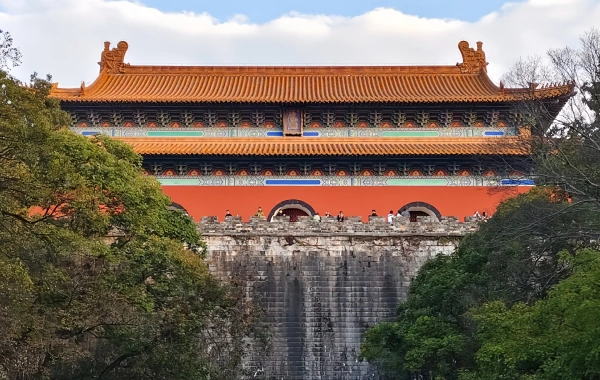
3. Ming Xiaoling Mausoleum – Imperial Grandeur and Unrivaled Stone Statues
- Highlights: The joint tomb of Emperor Zhu Yuanzhang and Empress Ma, part of UNESCO World Heritage. Its 600-meter Sacred Path, lined with stone sculptures, shines in all seasons—especially autumn (golden ginkgos and crimson Chinese tallow trees). Architectural wonders like Wengzhong Path and the Ming Tower reflect Ming-dynasty majesty.
- Transport: Metro Line 2 to "Muxuyuan Station," Exit 1, then walk or take a shuttle. Part of Zhongshan Scenic Area (includes Sun Yat-sen Mausoleum and Meiling Palace).
- Admission: ¥70 (covers core sections like the Sacred Path and Ming Tower). Plum Blossom Hill (stunning in winter) is included.
- Best Time to Visit: Late autumn (mid-November–early December) for fiery foliage; early spring (February–March) for plum blossoms.
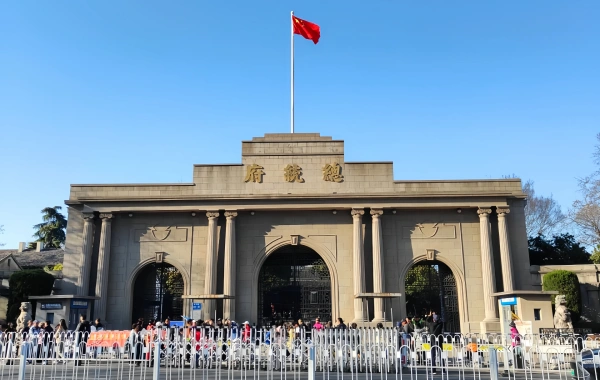
4. Presidential Palace – A Time Tunnel Through Modern History
- Highlights: China’s largest, best-preserved complex of modern historical architecture. From the Qing-era Viceroy’s Office to the Taiping Heavenly Kingdom’s palace and later the Republic’s presidential seat, it mirrors China’s modern upheavals. Its East-meets-West architecture stands unique.
- Transport: Metro Line 2 or 3 to "Daxinggong Station," Exit 5, then walk. Buses 29, 44, 65, etc., also serve the area.
- Admission: ¥40 (slight seasonal adjustments possible).
- Best Time to Visit: Year-round; avoid holidays for fewer crowds. Allow 2–3 hours.
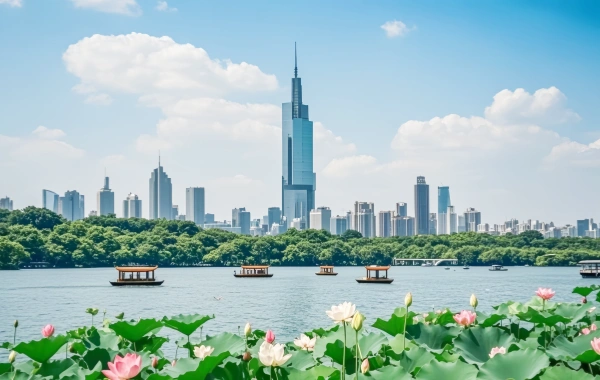
5. Xuanwu Lake Park – Jinling’s Emerald, the City’s Green Lung
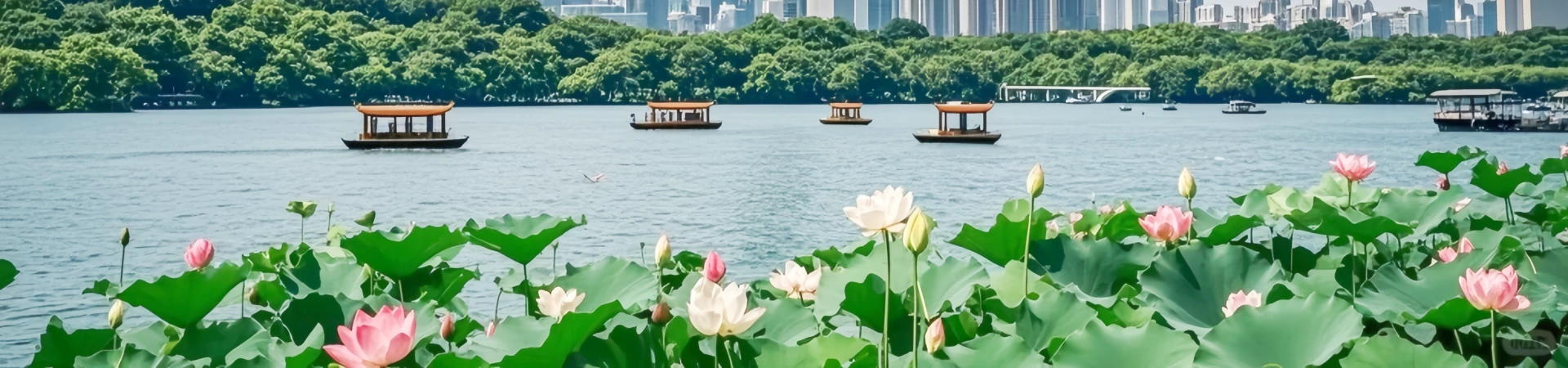
- Highlights: Jiangnan’s largest urban lake, ranked among the "Three Great Lakes of Jiangnan" (with West Lake and South Lake). Five islets dot its expanse—ideal for boating, lakeside strolls, and seasonal blooms (cherry blossoms in spring, lotuses in summer).
- Transport: Metro Line 1 to "Xuanwumen Station," Exit 3 (main gate). Line 3/4 to "Jiming Temple Station" leads to Jiefang Gate entrance. Many bus routes available.
- Admission: Free. Boat rentals and minor attractions (e.g., Xuanwu Lake Bird World) cost extra.
- Best Time to Visit: Spring (cherry blossoms), summer (lotuses), autumn (foliage). Mornings/evenings perfect for walks or runs.
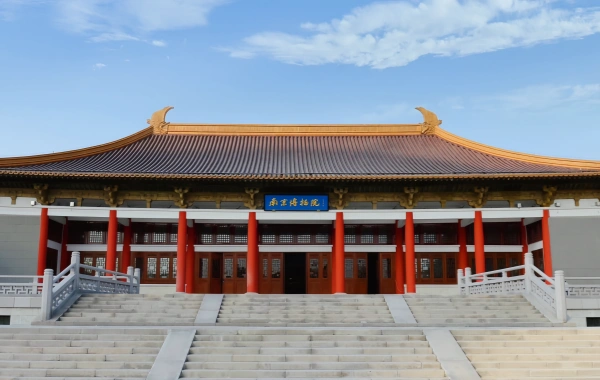
6. Nanjing Museum – Millennia of Jiangsu Civilization Under One Roof
- Highlights: One of China’s top three museums, famed for its "six halls in one" layout: History, Special Exhibits, Digital, Art, Intangible Heritage, and Republic of China Hall. The latter recreates 1930s Nanjing streetscapes with immersive realism. Treasures like the jade burial suit and Guangling King’s seal awe visitors.
- Transport: Metro Line 2 to "Minggugong Station," Exit 1, then walk east 5 mins. Buses 5, 34, 36, etc., also serve the area.
- Admission: Free (requires advance real-name booking).
- Best Time to Visit: Year-round (indoors). Allocate half a day.
Travel Tips:
- Transport: Nanjing’s metro efficiently connects major sites. Shared bikes work well for short distances.
- Tickets: Book popular spots (e.g., Sun Yat-sen Mausoleum, Nanjing Museum) online via official channels. Zhongshan Scenic Area offers combo tickets/shuttles.
- Accommodation: Xinjiekou, Confucius Temple, or Daxinggong areas provide convenient transit, dining, and shopping.
- Food: Must-tries: salted duck, duck blood vermicelli soup, pan-fried beef buns, sweet red bean soup. Head to Fuzimiao, Laomendong, or Ke Lane food hubs.
Nanjing captivates with its layered history and lively streets. Every step here treads upon tales spanning millennia. Pack your bags and embark on a timeless journey through Jinling!
Contact Us
What Our Clients Say?
Based on 10,000+ traveler reviews

Daniel Dorothea
Canada
Reviewed on April 29,2025
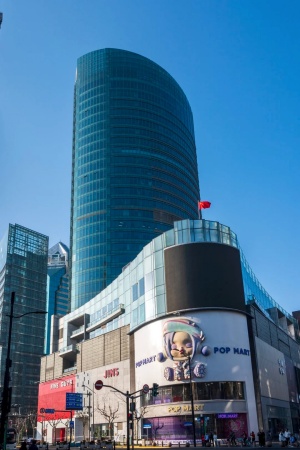
Shopping on Nanjing Road in Shanghai was just amazing! It's truly the "First Commercial Street of China", where tradition and modernity blend perfectly. You can find awesome souvenirs and experience the trendy vibes in cool stores. The neon lights at night are just spectacular, shining bright like Times Square in New York. The food here is incredible too. I had a feast for my taste buds. Shanghai, I'll definitely be back!
Destination(s):
Shanghai
Date of
Experience:
May 08,2024

Elvis Eva
Canada
Reviewed on June 20,2025
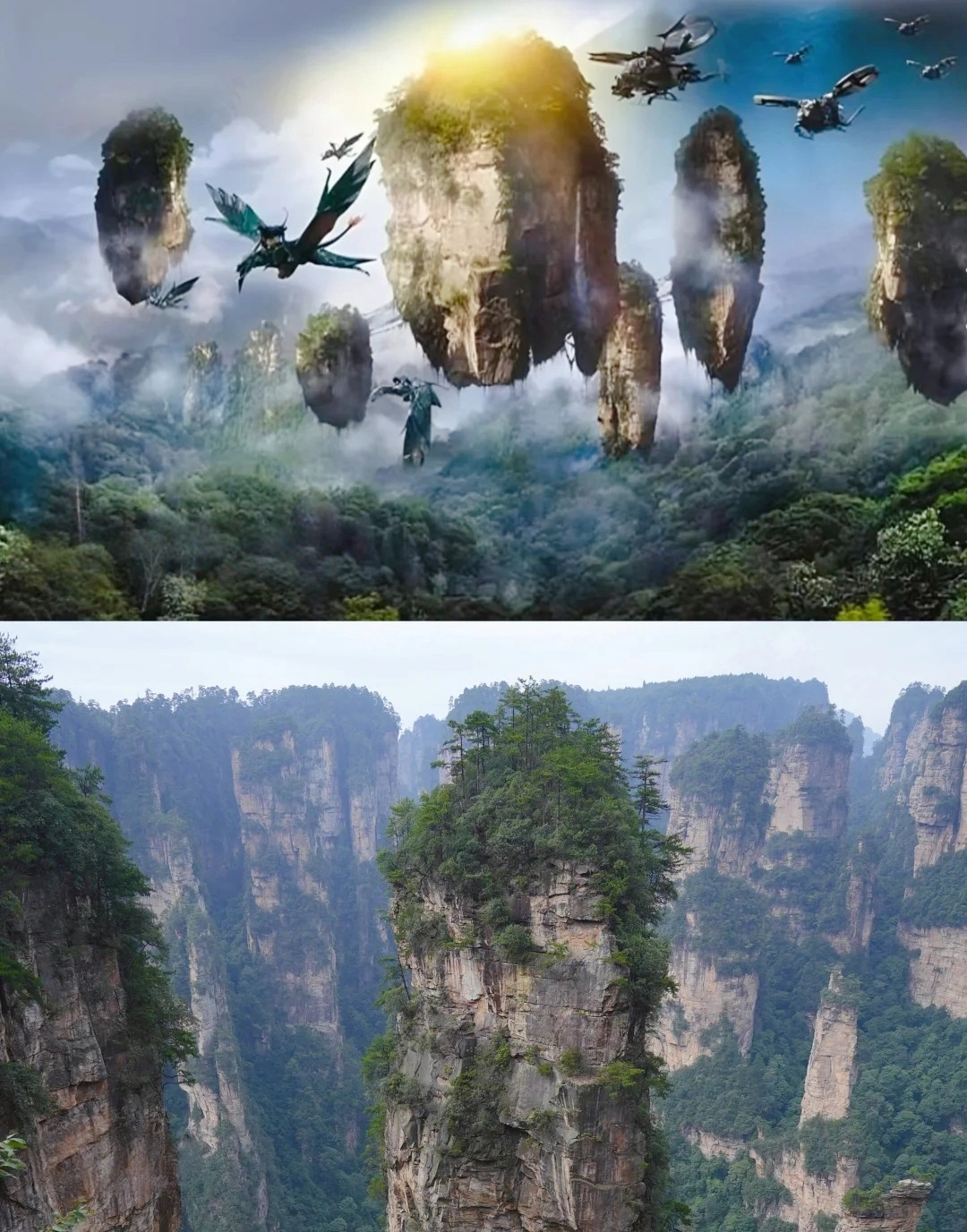
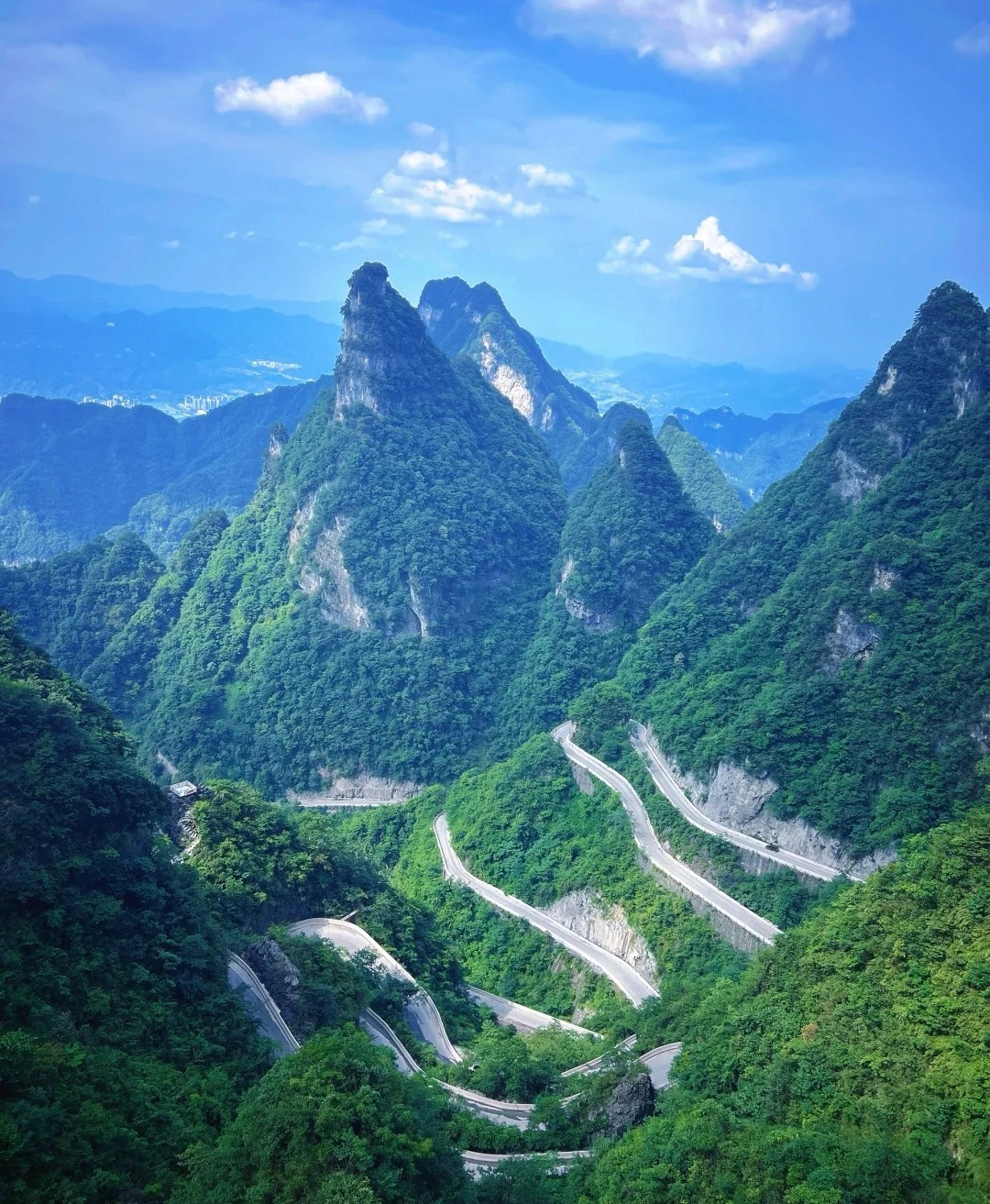
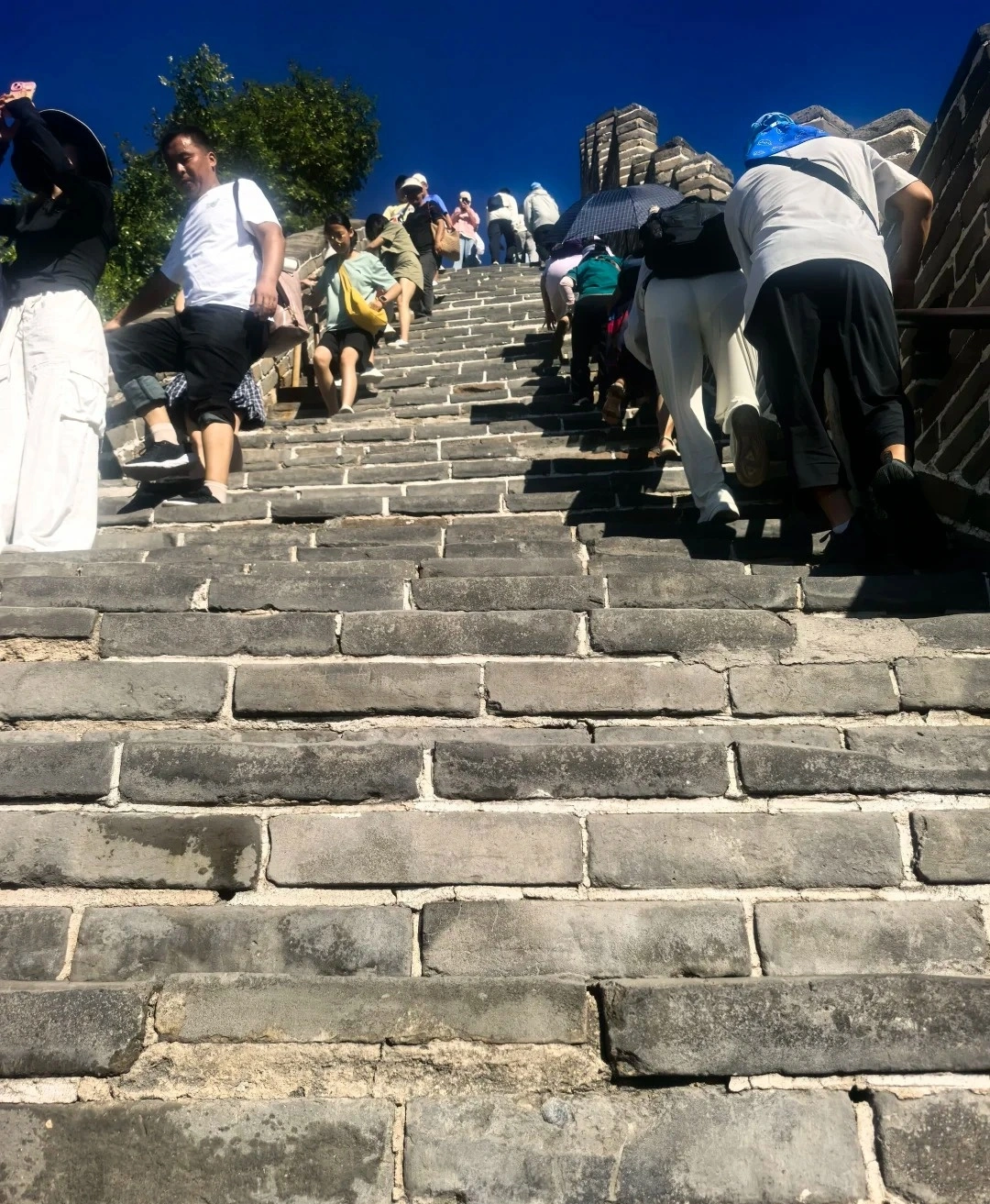
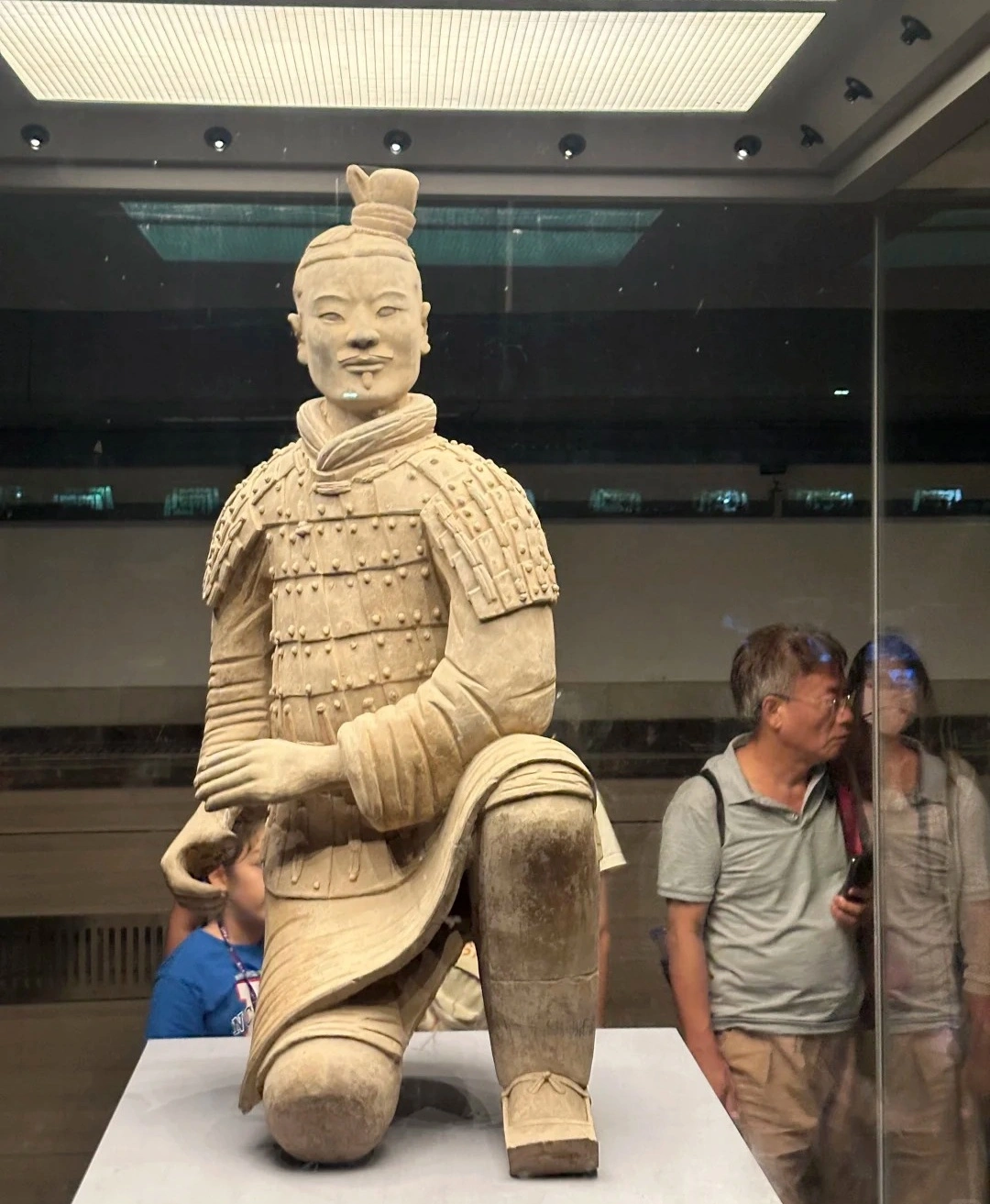
As a solo traveler from Canada, I was nervous about navigating China alone—but this 11-day tour was PERFECT! From hiking the Great Wall at sunrise (Day 3) to gasping at the Terracotta Army (Day 5), every day delivered ‘pinch-me’ moments. The real showstopper? Zhangjiajie’s Avatar Mountains (Day 7)! Our guide made the stone pillars come alive with stories.
Massive thanks for handling all logistics—bullet train tickets, entry passes, car! And the 4-star hotels surprised me.
Destination(s):
Beijing Xian Zhangjiajie Shanghai
Date of
Experience:
June 02,2025

Simon
America
Reviewed on May 29,2025
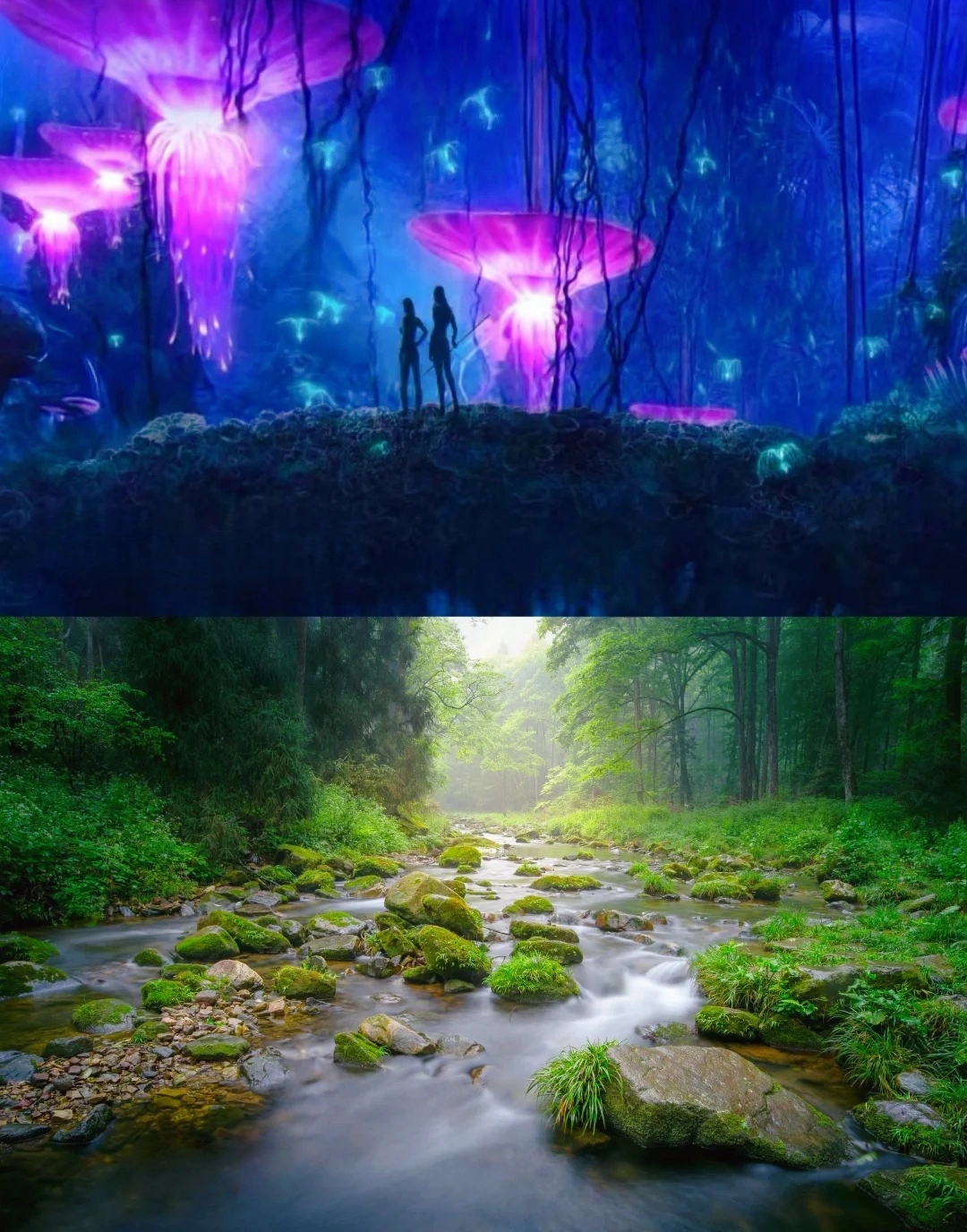
Our 2-day Zhangjiajie tour was beyond spectacular! As someone who’s visited Beijing and Shanghai for work, this trip revealed China’s wild, magical heart. Day 1 in Zhangjiajie National Forest Park felt like stepping onto Pandora—I’m a huge Avatar fan, and Yuanjiajie’s floating peaks left me breathless. The misty pillars and lush valleys like pure movie magic!
Then came Fenghuang Ancient Town, we eat dinner beside the thundering waterfall. It seems Unreal! The night views of stilt houses glowing over the river were straight from a fairy tale.
For fellow Avatar lovers and adventure seekers: Don’t miss this bucket-list experience! 10/10 would return.
A Well-Traveled Film Buff, May 2025
Destination(s):
Zhangjiajie
Date of
Experience:
May 08,2025