
Best Time to Visit Zhangjiajie: A Seasonal Guide for Travelers
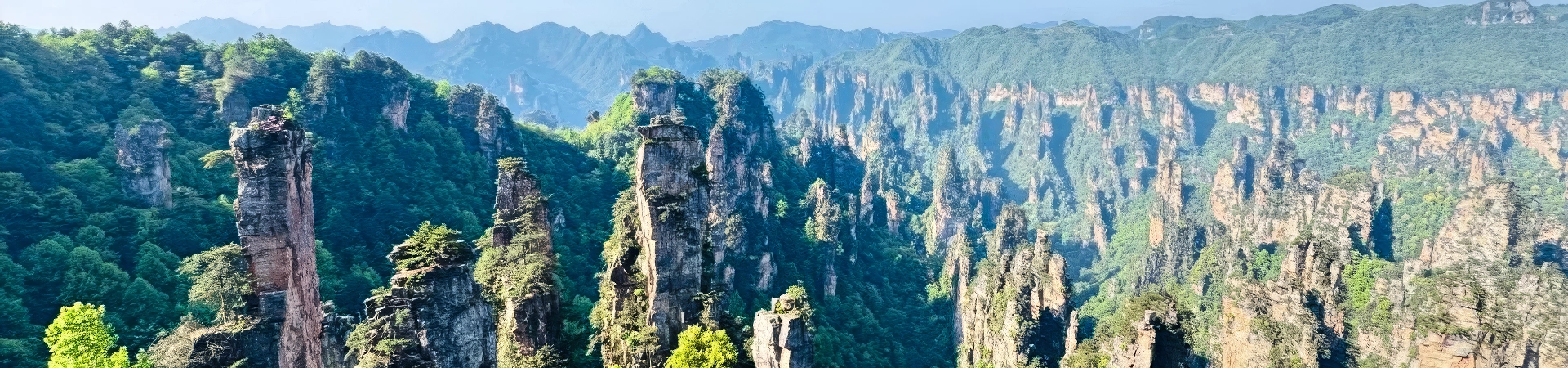
The best time to visit Zhangjiajie is during spring (March to May) and autumn (September to November). These seasons offer the most pleasant weather, clear views of the quartz-sandstone pillars, and vibrant natural scenery. While summer brings lush greenery, it also brings heavy crowds and rain. Winter is quiet but can be cold with occasional snow.
Weather in Zhangjiajie by Season
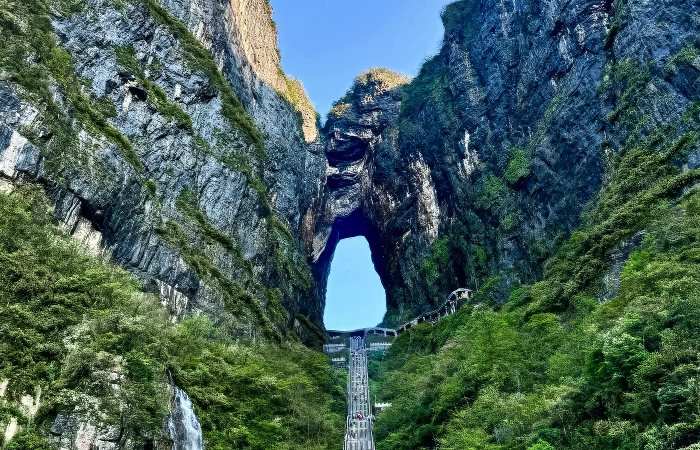
Spring in Zhangjiajie is a visual symphony. The park wakes up with wildflowers blooming in the valleys. Temperatures hover between 10°C and 20°C, making it perfect for hiking without sweating. However, humidity rises, so pack a light rain jacket.
Summer (June to August) is the wettest season. Afternoon thunderstorms are common, but the rain creates dramatic cloud seas around the peaks. The lush vegetation looks almost neon green. The downside? Long lines for cable cars and misty views that might hide the famous pillars.
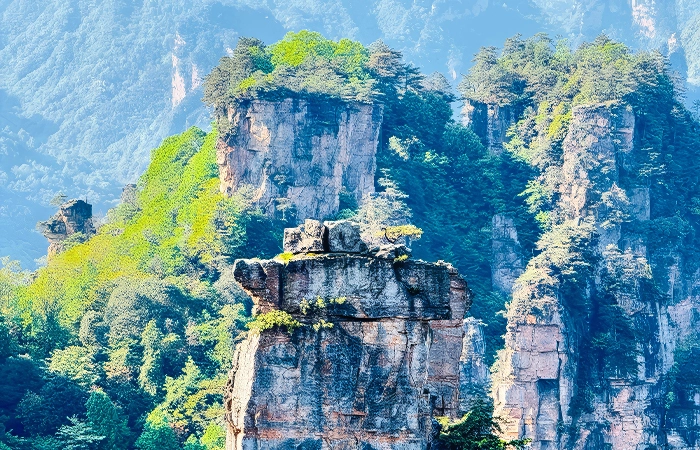
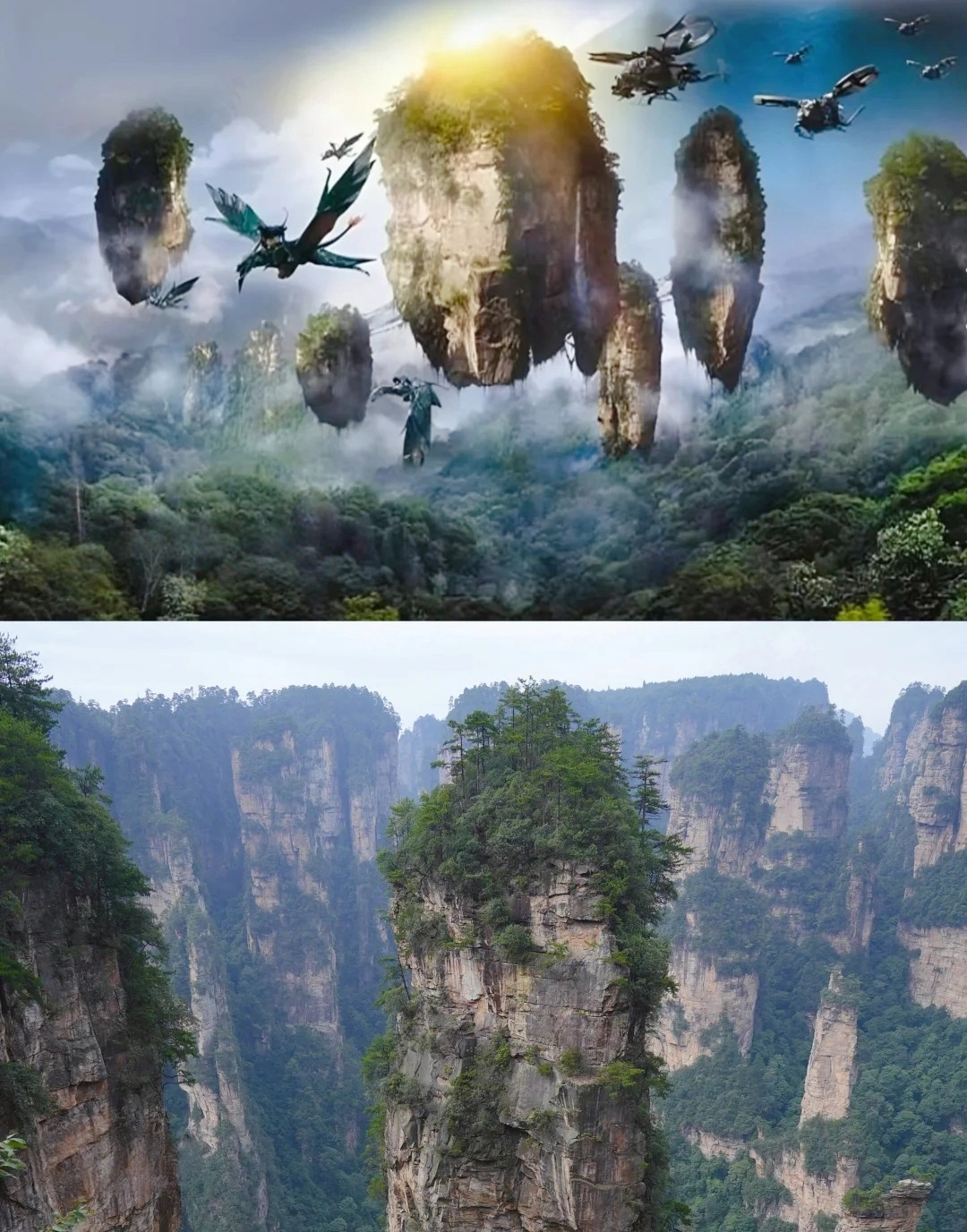
Autumn is arguably the most photogenic time. The air turns crisp, humidity drops, and the forest shifts to golden hues. Visibility is excellent, offering the best chance to see the "Avatar Hallelujah Mountain" in full glory. Early November is particularly magical with red maple leaves contrasting against the stone pillars.
Peak vs. Off-Peak Seasons
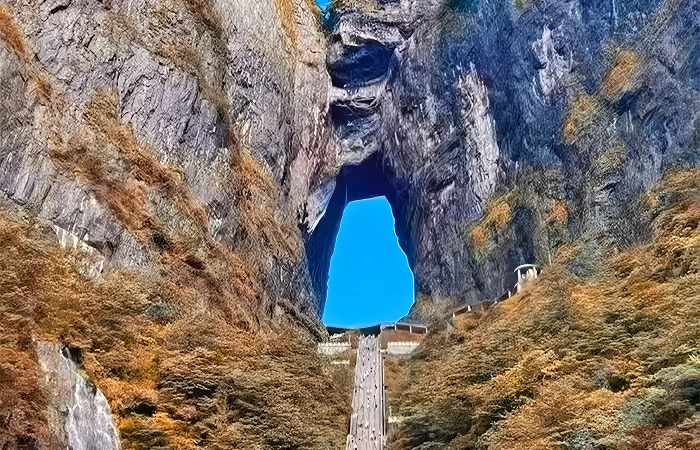
The peak tourist season coincides with Chinese public holidays: Labor Day (May 1-5) and National Day (October 1-7). During these weeks, accommodation prices spike by 50-100%, and popular viewpoints like Tianzi Mountain become crowded. If you dislike crowds, avoid these weeks entirely.
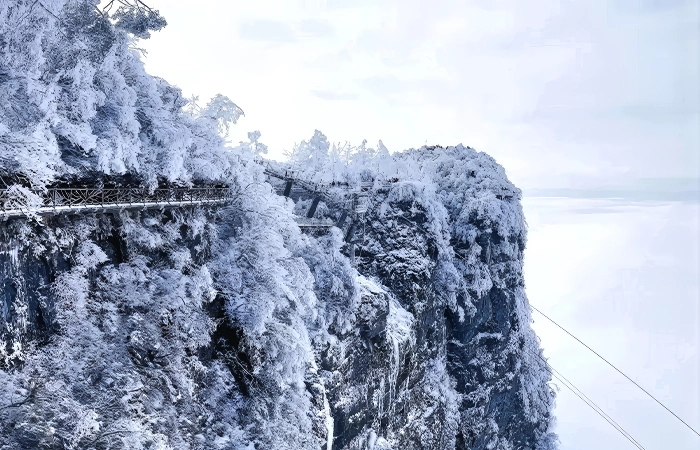
Winter (December to February) is the off-peak season. Snow-covered pillars create a surreal, frozen landscape. Temperatures can drop below freezing, but the park remains open. You might have the famous Glass Bridge almost to yourself. Just watch out for icy paths.
Photography Tips for Every Season
For landscape photographers, the "golden hours" change with seasons. In spring and autumn, sunrise (5:30-6:30 AM) offers the best light on the sandstone pillars. Summer mornings often start with fog, which can add mystery but reduce clarity.
Winter photography requires patience. Snow reflects light, so expose for the highlights. A polarizing filter helps cut glare on icy surfaces. The glass bridge looks spectacular against a snowy backdrop, though wind can make long exposures tricky.
Practical Packing Advice
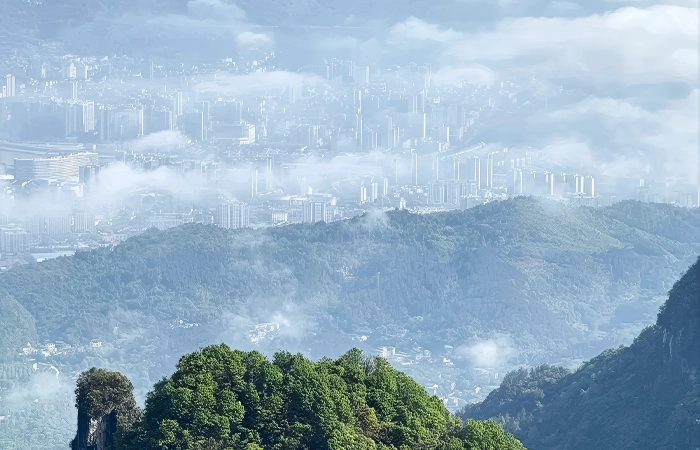
Regardless of when you visit, comfortable hiking shoes are non-negotiable. The park involves thousands of stone steps. In spring/autumn, layer clothing—mornings are chilly, afternoons warm. Summer demands breathable fabrics and waterproof gear. Winter requires thermal layers and grip-enhancing boots for icy sections.
Avoiding the Crowds
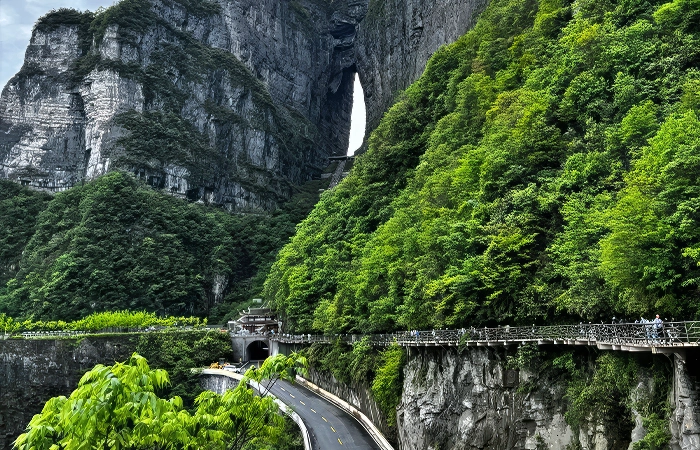
To experience Zhangjiajie National Forest Park without the masses, arrive at popular spots like Yuanjiajie before 8 AM or after 4 PM. Many tour groups follow fixed schedules, so deviating from the typical 9-5 itinerary rewards you with solitude among the towering pillars.
Is There Really a "Bad" Time?
Honestly, there’s no truly bad time to visit Zhangjiajie. Even in rain, the mist-shrouded peaks feel like traditional Chinese paintings. The changing light and weather create entirely different moods—from ethereal fog to dramatic sunsets. Your priority should be matching the season to your tolerance for crowds and weather extremes.
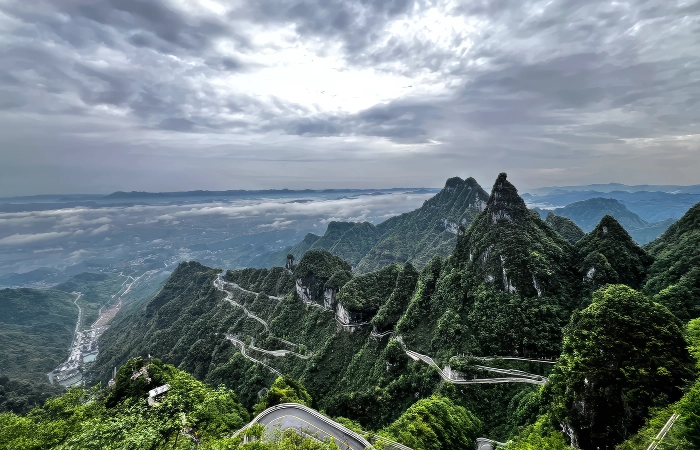
Choosing the best time to visit Zhangjiajie depends on your priorities. For ideal weather and photography, aim for April-May or October-November. Budget travelers or solitude seekers will enjoy winter (except Chinese New Year). Summer offers lush scenery but requires patience with rain and crowds. Whenever you go, the surreal landscape will leave you awe-struck.


Contact Us
What Our Clients Say?
Based on 10,000+ traveler reviews

Daniel Dorothea
Canada
Reviewed on April 29,2025
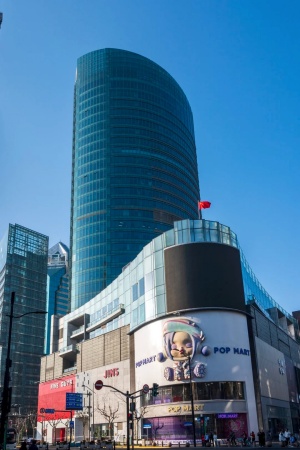
Shopping on Nanjing Road in Shanghai was just amazing! It's truly the "First Commercial Street of China", where tradition and modernity blend perfectly. You can find awesome souvenirs and experience the trendy vibes in cool stores. The neon lights at night are just spectacular, shining bright like Times Square in New York. The food here is incredible too. I had a feast for my taste buds. Shanghai, I'll definitely be back!
Destination(s):
Shanghai
Date of
Experience:
May 08,2024

Elvis Eva
Canada
Reviewed on June 20,2025
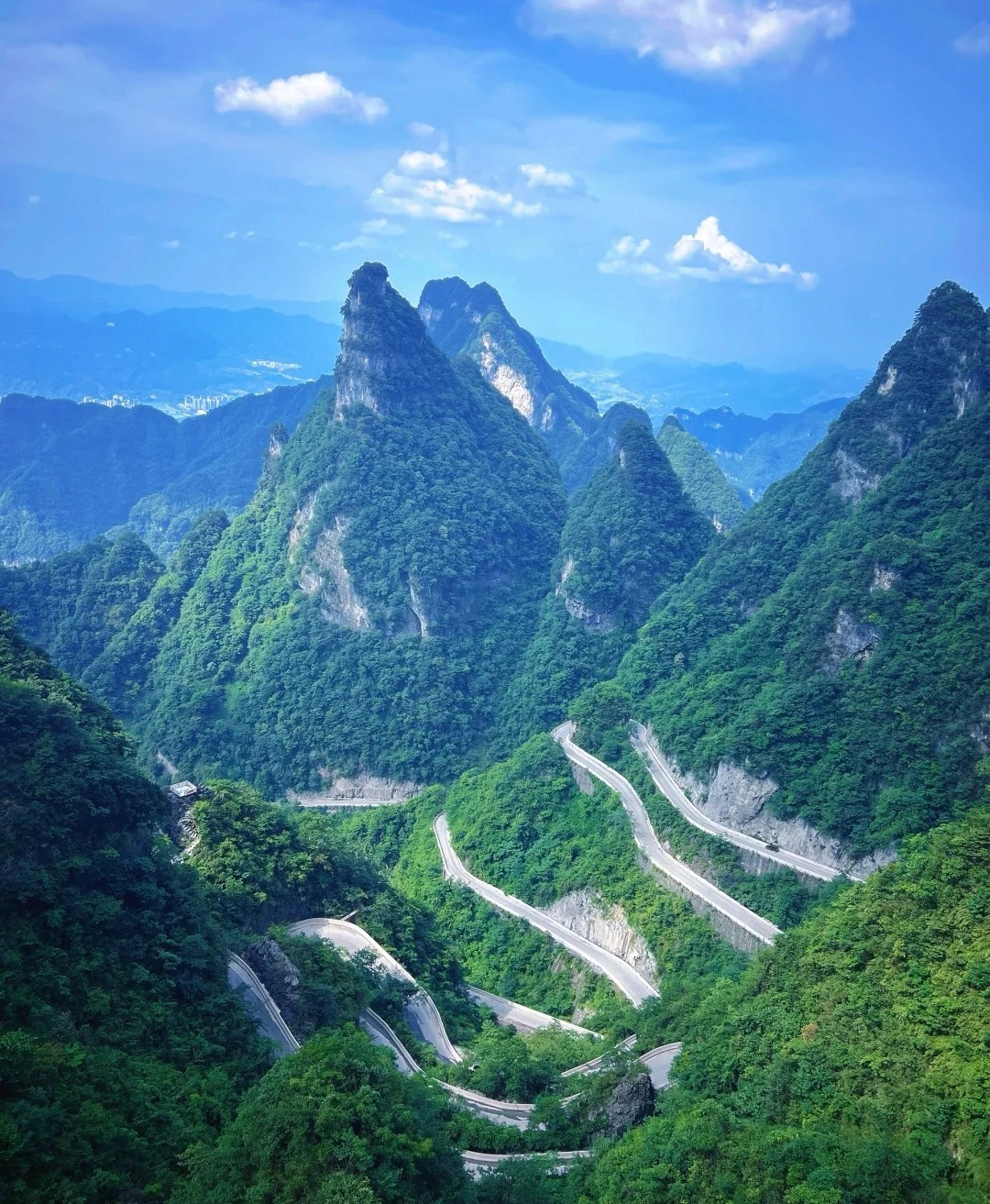
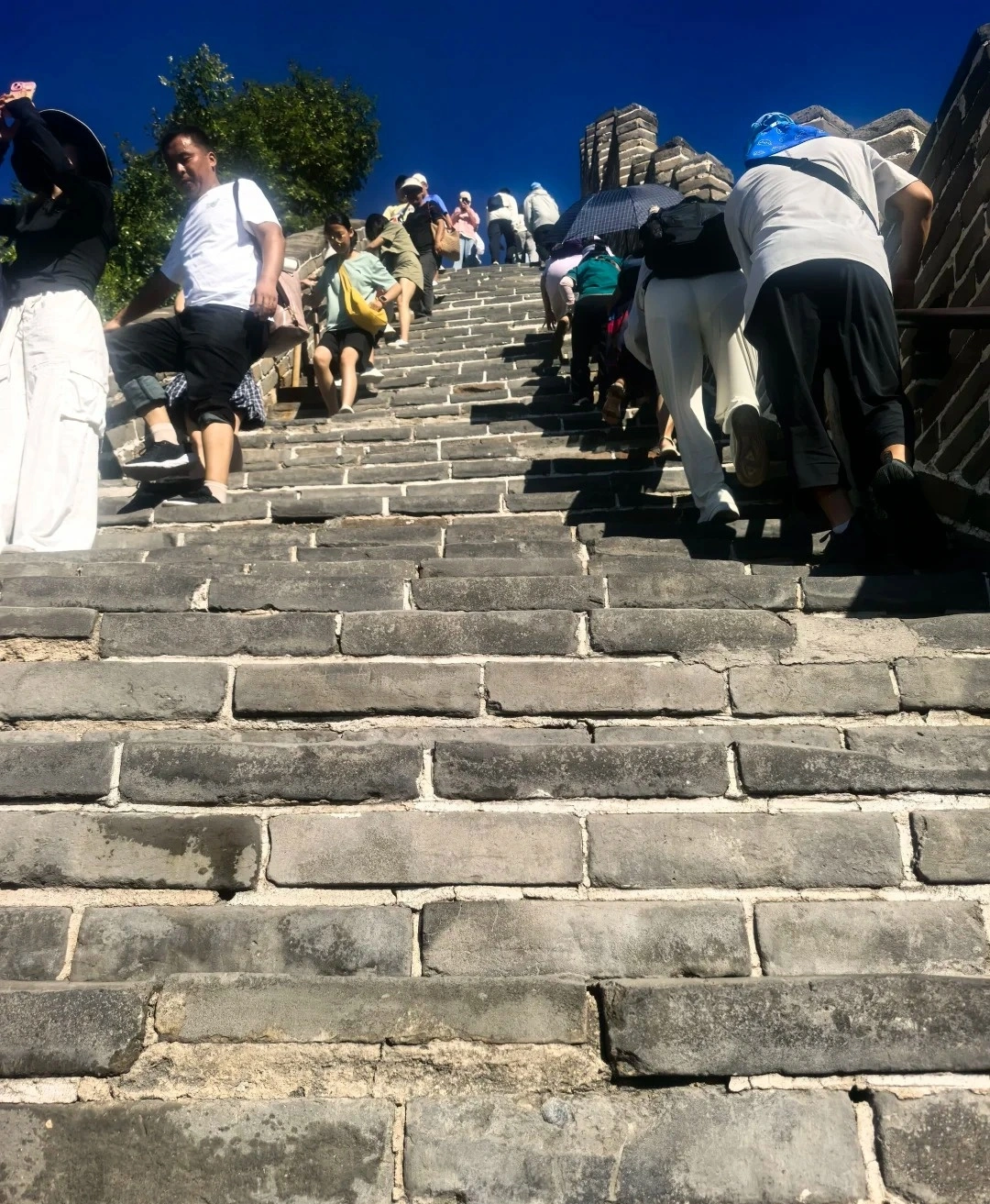
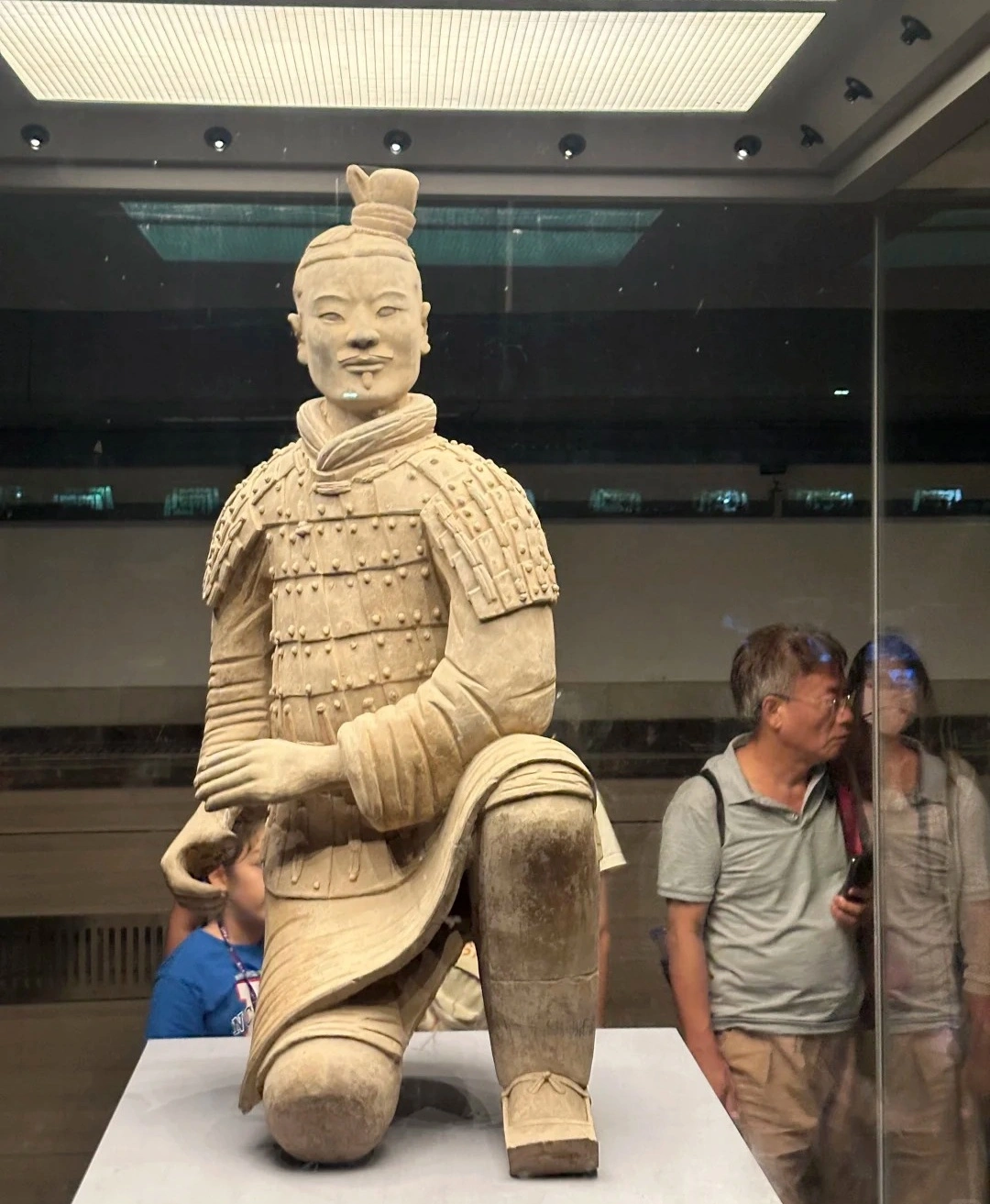
As a solo traveler from Canada, I was nervous about navigating China alone—but this 11-day tour was PERFECT! From hiking the Great Wall at sunrise (Day 3) to gasping at the Terracotta Army (Day 5), every day delivered ‘pinch-me’ moments. The real showstopper? Zhangjiajie’s Avatar Mountains (Day 7)! Our guide made the stone pillars come alive with stories.
Massive thanks for handling all logistics—bullet train tickets, entry passes, car! And the 4-star hotels surprised me.
Destination(s):
Beijing Xian Zhangjiajie Shanghai
Date of
Experience:
June 02,2025

Simon
America
Reviewed on May 29,2025
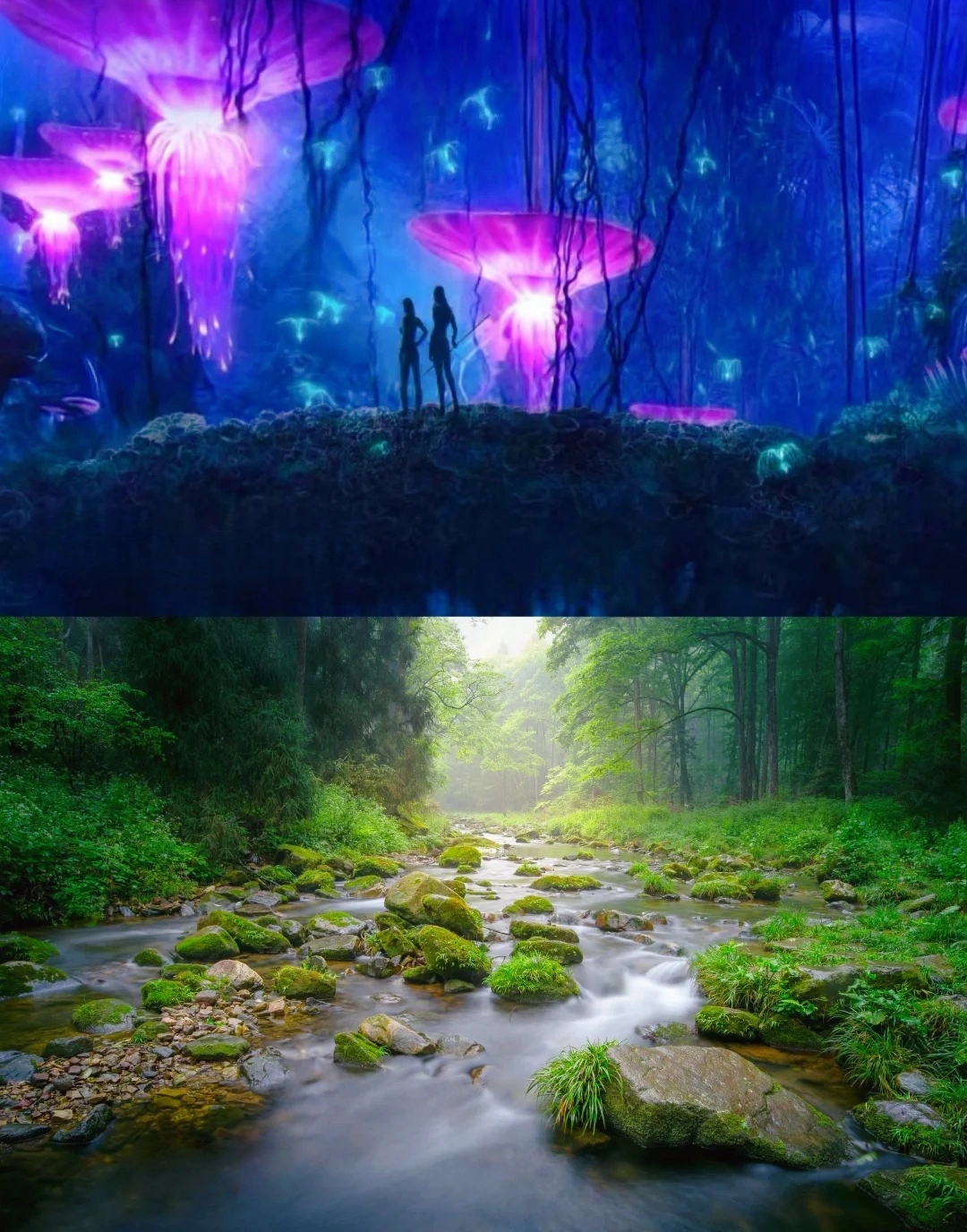
Our 2-day Zhangjiajie tour was beyond spectacular! As someone who’s visited Beijing and Shanghai for work, this trip revealed China’s wild, magical heart. Day 1 in Zhangjiajie National Forest Park felt like stepping onto Pandora—I’m a huge Avatar fan, and Yuanjiajie’s floating peaks left me breathless. The misty pillars and lush valleys like pure movie magic!
Then came Fenghuang Ancient Town, we eat dinner beside the thundering waterfall. It seems Unreal! The night views of stilt houses glowing over the river were straight from a fairy tale.
For fellow Avatar lovers and adventure seekers: Don’t miss this bucket-list experience! 10/10 would return.
A Well-Traveled Film Buff, May 2025
Destination(s):
Zhangjiajie
Date of
Experience:
May 08,2025