
Forbidden City Beijing: Tickets, History & Insider Tips for Your Visit
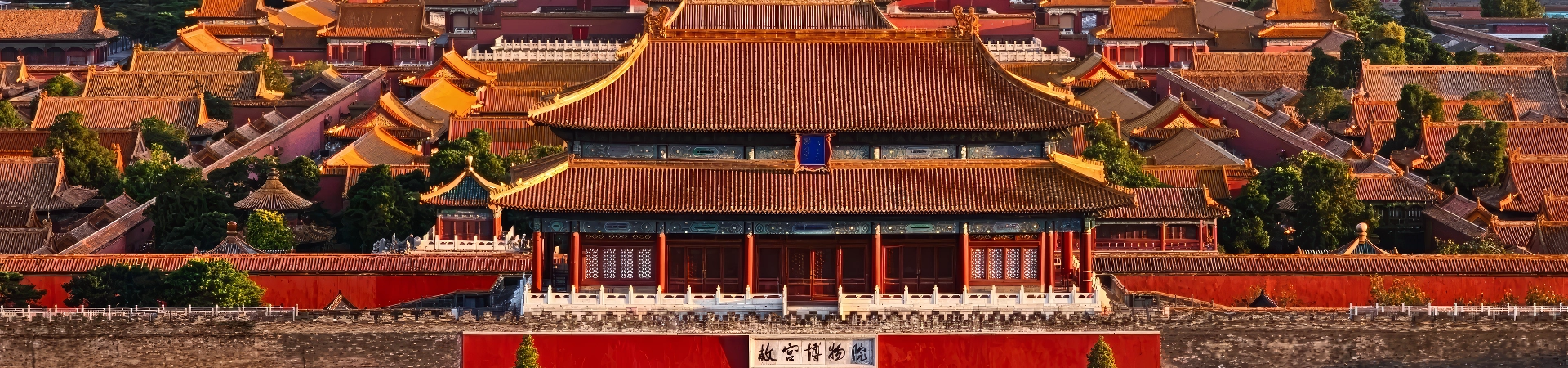
The Forbidden City Beijing stands as the world’s largest surviving imperial palace complex, a breathtaking symbol of China’s Ming and Qing dynasties. Located at the heart of the capital, this UNESCO World Heritage Site was once off-limits to commoners, housing 24 emperors behind its high red walls. Today, it invites you to walk the same marble paths where history was made. Whether you are planning your first trip or seeking practical details like tickets and best routes, this guide covers everything you need to know to explore this ancient wonder efficiently.
The Imperial Heart: History & Architecture of the forbidden city
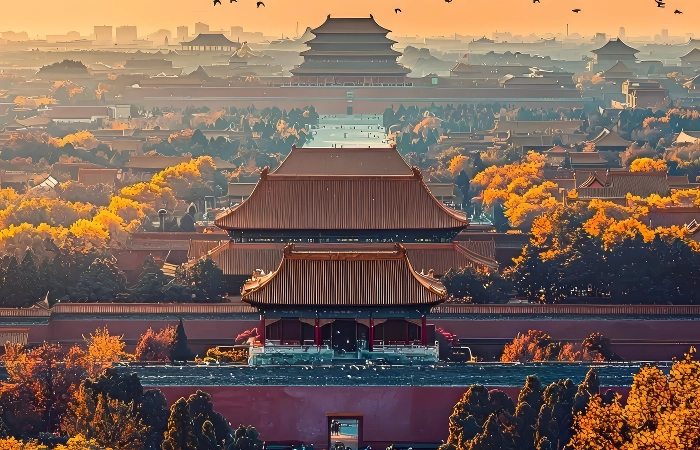
Construction began in 1406 under the Yongle Emperor, taking 14 years and over a million workers to complete. Spanning 72 hectares, the complex features 980 buildings with a legendary 9,999 rooms—though surveys show over 8,700 actual chambers. The layout strictly follows ancient Chinese geomancy and hierarchical ethics, with the southern section used for ceremonies and the north for the emperor’s private life.
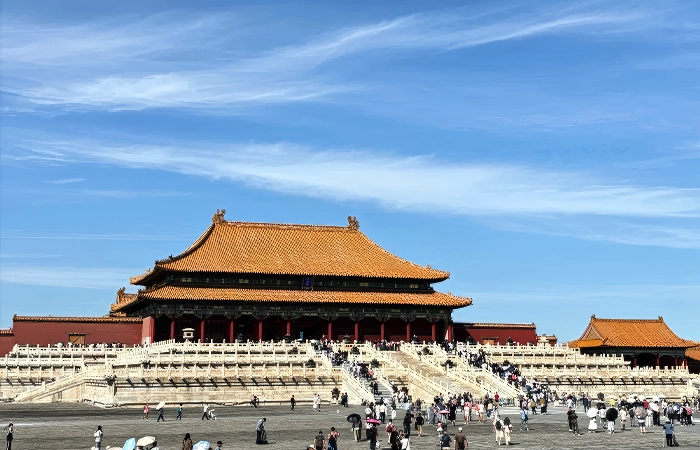
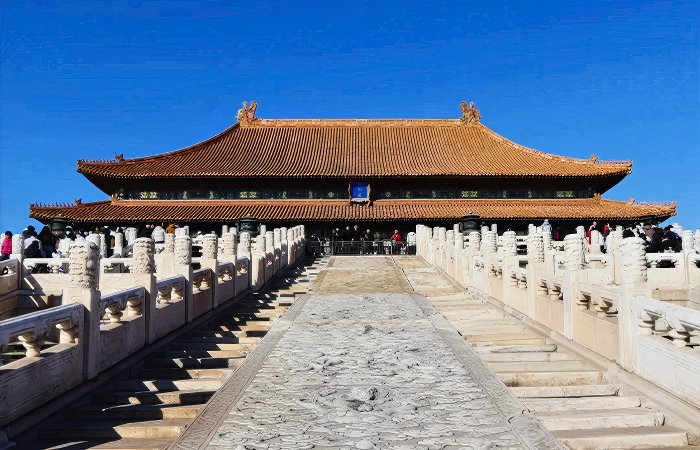
The palace complex is a masterpiece of traditional Chinese architecture. Look up to see the iconic yellow-glazed roof tiles, reserved exclusively for the emperor, contrasting sharply with the vermilion walls. These colors symbolize earth and royalty, creating a visual spectacle that still stops visitors in their tracks. The symmetry of the Hall of Supreme Harmony, Hall of Central Harmony, and Hall of Preserving Harmony showcases the obsession with balance and power during the Ming Dynasty and Qing Dynasty.
As you wander through the outer court, imagine the grand ceremonies held here. Coronation, winter solstice celebrations, and military dispatches all took place in these courtyards. The sheer scale of the stone terraces and incense burners emphasizes the emperor’s connection to heaven. Unlike modern museums, The Forbidden City feels like a time capsule; it doesn’t just display artifacts—it is the artifact.
Must-See Highlights Inside The Palace Museum
Start your journey at the Meridian Gate (Wumen), the main entrance where visitors gather to enter the square. Once inside, the Golden Water Bridge leads to the Gate of Supreme Harmony. This is the gateway to the outer court, flanked by lions and surrounded by a vast plaza. It sets the tone for the majesty ahead, making you feel small yet connected to centuries of tradition.
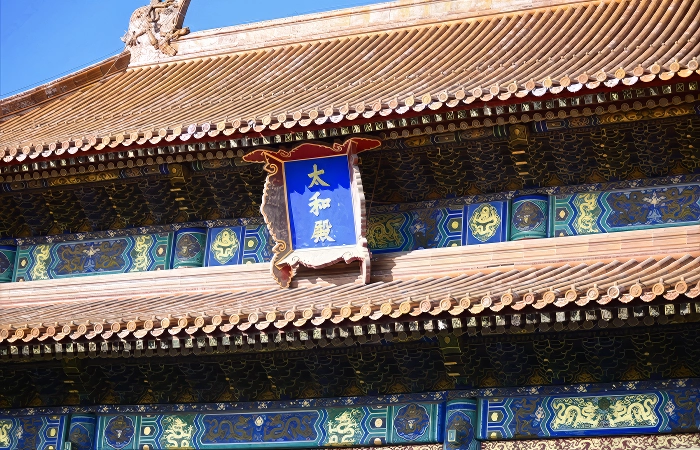
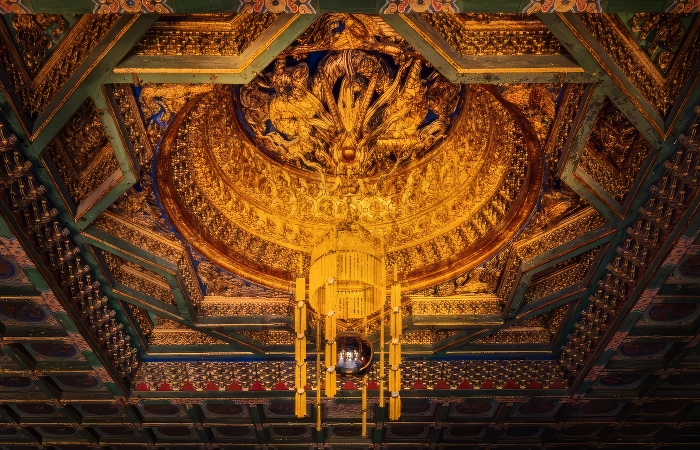
The Hall of Supreme Harmony (Taihe Dian) is the crown jewel. This is where the emperor held court, sitting on the Dragon Throne. Inside, you’ll find the Xuanyuan Mirror, an ancient bronze artifact, and intricate carvings of dragons—symbols of imperial authority. The hall’s ceiling features a stunning caisson design with a coiled dragon, a feature you won’t want to miss.
Don’t skip the Hall of Imperial Supremacy (Qinqing Dian) in the inner court. This was the emperor’s living quarters and the site of family rituals. The details here are more delicate, with jade carvings, silk tapestries, and personal belongings on display. It offers a rare glimpse into the private lives of rulers who were once considered divine.
For photography enthusiasts, the Imperial Garden at the northern end provides a serene escape. With ancient cypress trees, rock formations, and the Hall of Imperial Peace (Qin’an Dian), it feels worlds away from the bustling city outside. This was a retreat for the royal family, designed with Taoist philosophy in mind to ensure harmony with nature.
Practical Tips for Visiting Beijing’s Forbidden City
Timing is everything. The palace is closed on Mondays, so plan your visit between Tuesday and Sunday. Arrive by 8:00 AM to beat the crowds at Tiananmen Square, as security checks can take time. Entry requires a valid passport and your ticket QR code—print or save it on your phone. Note that last entry is usually at 4:00 PM, with the complex closing at 5:00 PM.
Tickets must be booked in advance online. Standard entry costs 60 RMB (approx. $8 USD), but prices vary for special exhibitions like the Clock and Watch Gallery or the Ceramics Gallery. The palace limits daily visitors to 80,000, so book at least 7 days ahead during peak seasons like National Day or summer. Avoid scalpers; only use the official website or verified platforms like Trip.com.
Wear comfortable shoes—you will walk a lot on uneven stone paths. Bring water and snacks, as options inside are limited and expensive. Audio guides are available for rent, or download a travel app beforehand to understand the historical context. If you’re combining this with other attractions, Jingshan Park is just across the street for a panoramic view of the palace roofs.
Accessibility is improving, but some areas remain challenging for wheelchairs due to stairs and cobblestones. Strollers are allowed on wide paths, though crowded sections may require carrying them. Restrooms are available near major halls, but expect lines during busy hours.
Planning Your Trip: Combining History with Modern Beijing
While the Forbidden City is a standalone marvel, it sits at the center of Beijing’s cultural axis. Just to the south lies Tiananmen Square, a short walk from the Meridian Gate. Many visitors pair these two sites in one day, though the square requires a separate security check. To the north, Jingshan Park offers the famous view of the palace from Coal Hill—a perfect spot for sunset photos.
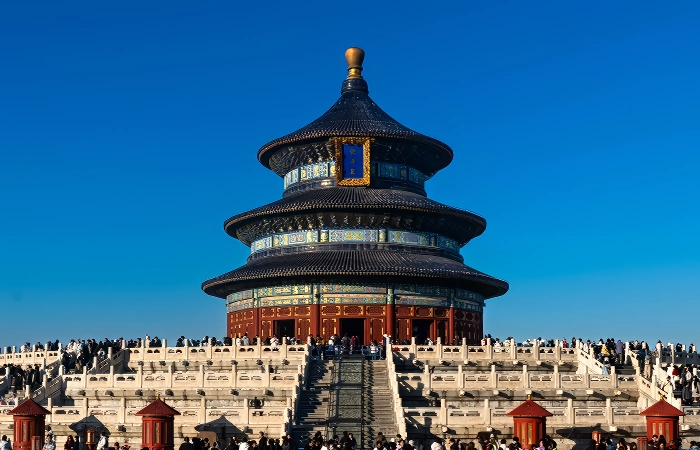
For a deeper dive into Chinese history, consider booking a half-day tour that includes the nearby Temple of Heaven or The Summer Palace. If time allows, a day trip to the Great Wall of China at Mutianyu or Badaling is feasible, though it requires an early start. Beijing’s subway system makes these connections easy; get off at Tiananmen East or West station for the closest access.
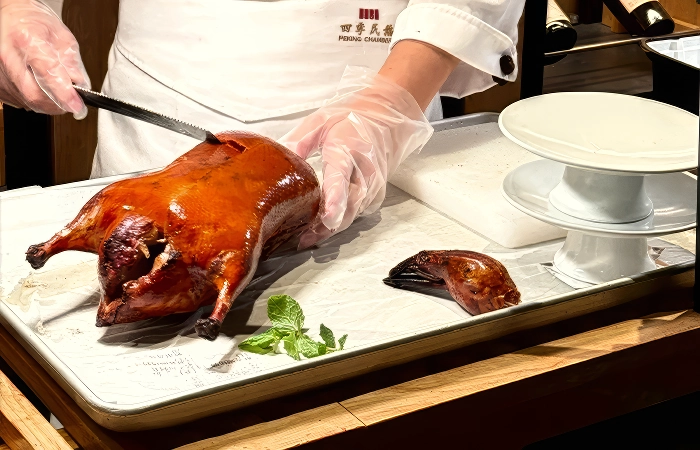
Dining options around the palace are plentiful but tourist-heavy. For authentic flavors, head to Wangfujing Street for street food like candied hawthorn or try a Peking Duck restaurant in the hutongs north of the complex. Avoid eating inside the palace to save time and energy.
The Forbidden City Beijing is more than a museum; it is a living testament to China’s imperial past. From its grand halls to its hidden gardens, every corner tells a story of power, artistry, and tradition. By planning ahead with the right tickets, timing, and route, you can avoid the chaos and truly appreciate this UNESCO treasure. Whether you’re a history buff or a casual traveler, the palace promises an unforgettable journey through time. Don’t wait—book your tickets now and step into the forbidden heart of the Middle Kingdom.
Contact Us
What Our Clients Say?
Based on 10,000+ traveler reviews

Daniel Dorothea
Canada
Reviewed on April 29,2025
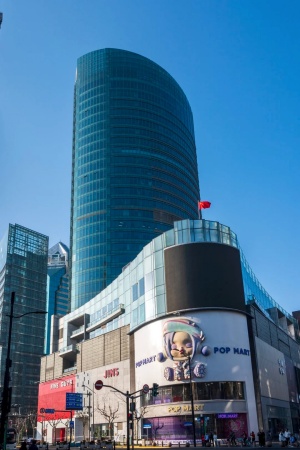
Shopping on Nanjing Road in Shanghai was just amazing! It's truly the "First Commercial Street of China", where tradition and modernity blend perfectly. You can find awesome souvenirs and experience the trendy vibes in cool stores. The neon lights at night are just spectacular, shining bright like Times Square in New York. The food here is incredible too. I had a feast for my taste buds. Shanghai, I'll definitely be back!
Destination(s):
Shanghai
Date of
Experience:
May 08,2024

Elvis Eva
Canada
Reviewed on June 20,2025
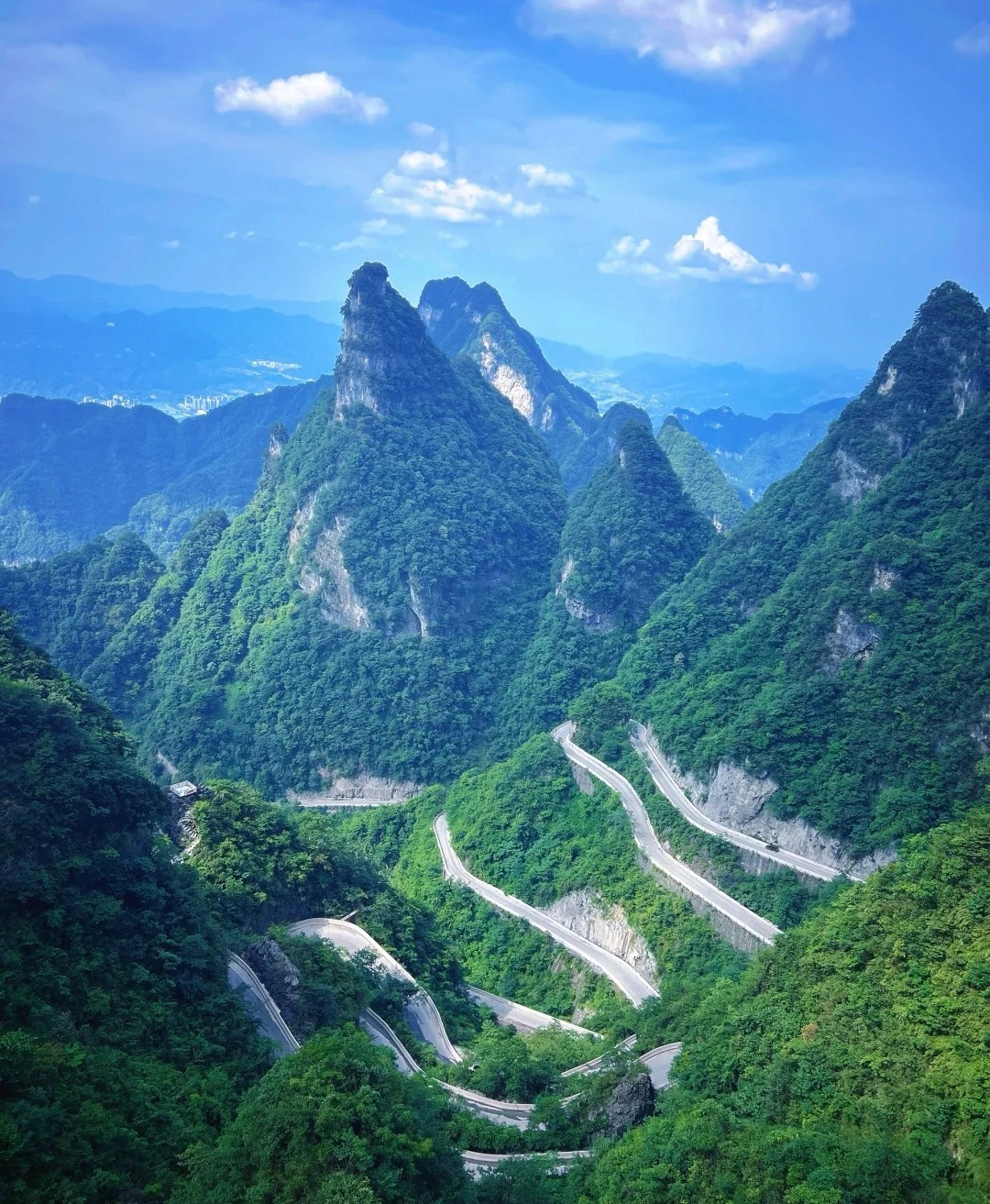
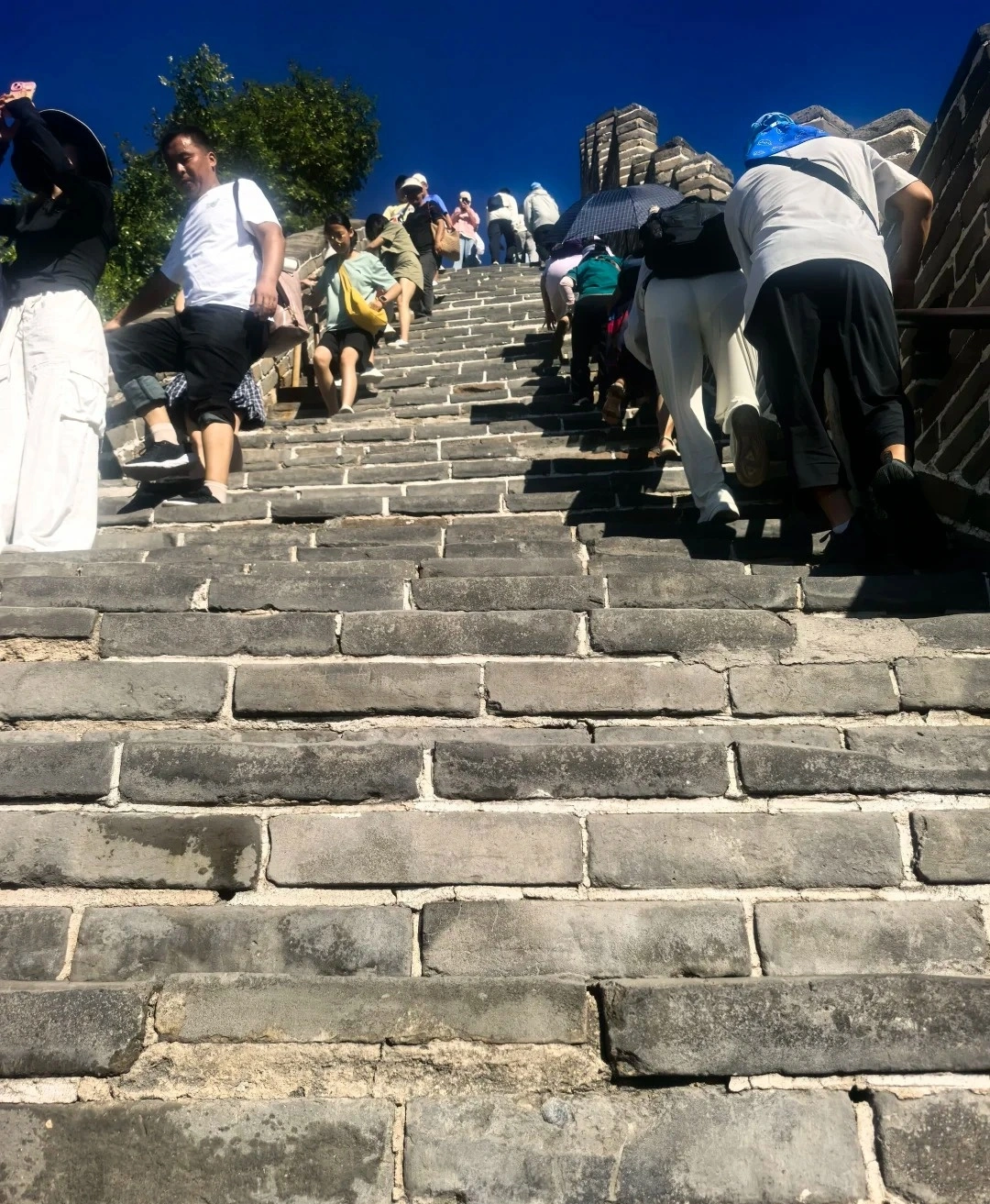
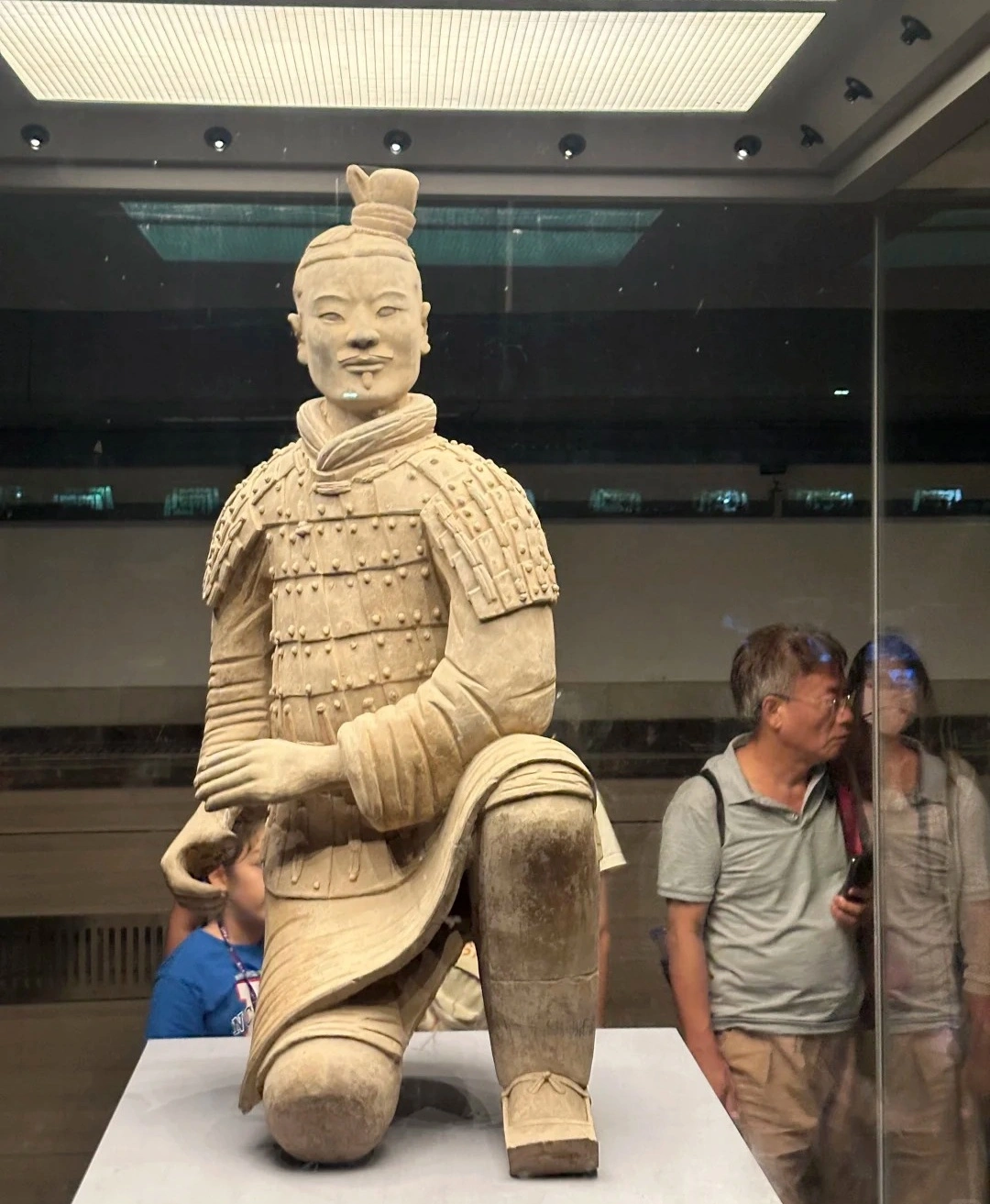
As a solo traveler from Canada, I was nervous about navigating China alone—but this 11-day tour was PERFECT! From hiking the Great Wall at sunrise (Day 3) to gasping at the Terracotta Army (Day 5), every day delivered ‘pinch-me’ moments. The real showstopper? Zhangjiajie’s Avatar Mountains (Day 7)! Our guide made the stone pillars come alive with stories.
Massive thanks for handling all logistics—bullet train tickets, entry passes, car! And the 4-star hotels surprised me.
Destination(s):
Beijing Xian Zhangjiajie Shanghai
Date of
Experience:
June 02,2025

Simon
America
Reviewed on May 29,2025
Our 2-day Zhangjiajie tour was beyond spectacular! As someone who’s visited Beijing and Shanghai for work, this trip revealed China’s wild, magical heart. Day 1 in Zhangjiajie National Forest Park felt like stepping onto Pandora—I’m a huge Avatar fan, and Yuanjiajie’s floating peaks left me breathless. The misty pillars and lush valleys like pure movie magic!
Then came Fenghuang Ancient Town, we eat dinner beside the thundering waterfall. It seems Unreal! The night views of stilt houses glowing over the river were straight from a fairy tale.
For fellow Avatar lovers and adventure seekers: Don’t miss this bucket-list experience! 10/10 would return.
A Well-Traveled Film Buff, May 2025
Destination(s):
Zhangjiajie
Date of
Experience:
May 08,2025