
Longji Rice Terraces: The Ultimate Guide to the Best Time to Visit
If you are planning a trip to Guangxi, understanding the Longji Rice Terraces best time to visit is crucial for a perfect experience. Generally, the landscape offers breathtaking views year-round, but the "golden windows" are late May to early June for water-filled terraces and late September to mid-October for golden rice. Choosing the right season depends entirely on what visual spectacle you want to capture.
The Magic of spring and Early Summer (May to June)
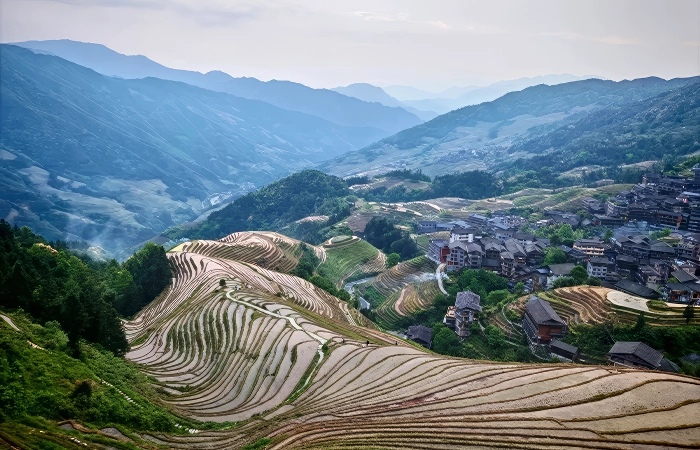
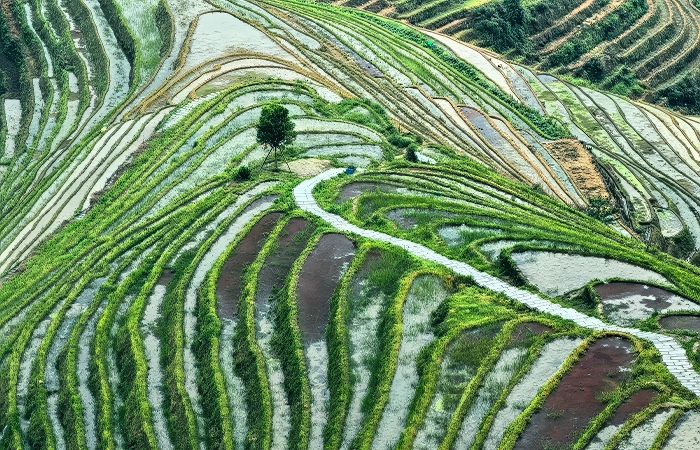
Late May to early June is arguably the most popular Longji Rice Terraces best time to visit for photographers. During this period, the terraces are irrigated but the rice seedlings are still small.
The water-filled paddies act like thousands of mirrors scattered across the mountains. They reflect the clouds, the sunrise, and the sunset with stunning clarity. The color palette is dominated by emerald green ribbons and silvery water.
It is not just about the view. The air is fresh, and the humidity is lower than in the deep summer months. Hiking through the fields feels like walking on water.
However, be aware that this is the peak season. Accommodation in Ping'an Village and Dazhai Village books up fast. You should reserve your stay at least two weeks in advance.
autumn Harvest: The Golden Spectacle (September to October)
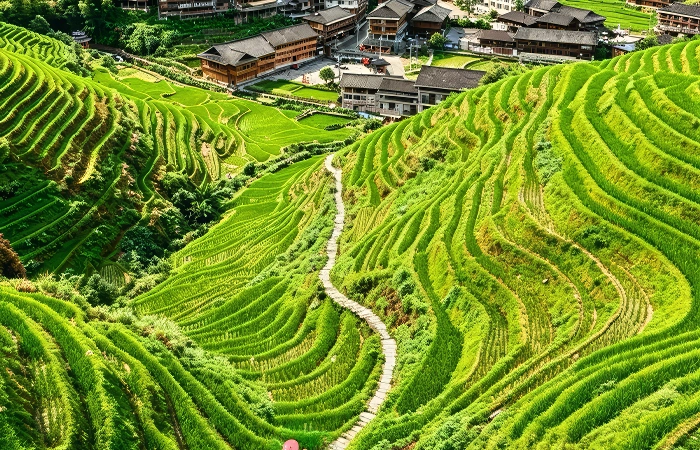
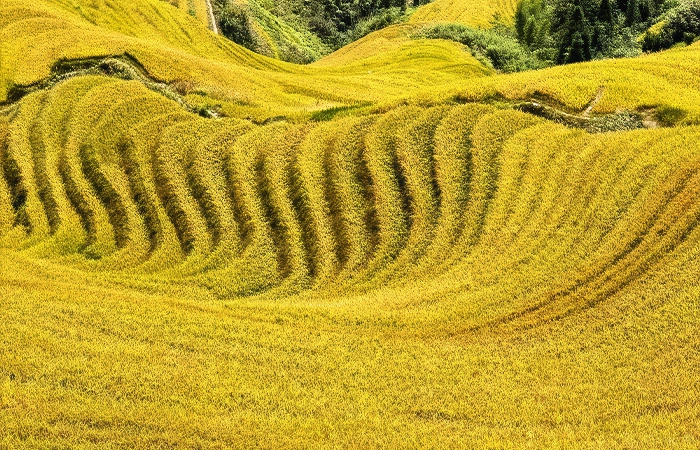
From late September to mid-October, the Longji Rice Terraces transform into a sea of gold. This is the reward for months of growth, and the layers of ripened rice create a majestic, heavy texture.
The mountains look like they are draped in golden silk. This is the best time for travelers who love warm, rich colors and the atmosphere of harvest. The scent of dry straw fills the air.
Mid-October is also when the local Zhuang and Yao ethnic minorities celebrate their harvest Festivals. You might catch traditional folk performances or taste new season's rice wine.
The weather is generally stable and cool during the day. It is perfect for hiking Longji Rice Terraces without sweating profusely. Just bring a light jacket for the chilly evenings.
Avoiding the Crowds: Summer and Winter
July and August bring lush greenery, but they also bring rain and tourists. The terraces are vibrant, but fog can obscure the view. Plus, muddy paths can make Longji Rice Terraces photography tricky.
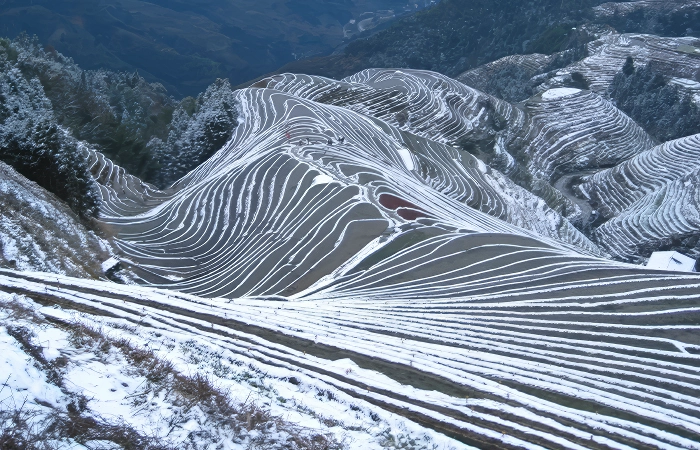
Winter (December to February) is the quietest time. Sometimes it snows, creating a rare "silver and white" landscape. It is mystical, but some terraces might be drained of water.
If you visit in winter, dress warmly. The wind on the ridge can be biting. It is a time for solitude, not for partying, as many guesthouses might close for the off-season.
Photography Tips for Every Season
To capture the Longji Rice Terraces at their best, timing your shoot is everything. For the water-filled season, aim for sunrise (around 6:00 AM) at "Nine Dragons and Five Tigers" viewpoint.
In autumn, the golden light of late afternoon (4:00 PM) makes the rice stalks glow. Use a telephoto lens to compress the layers of the mountains.
Always check the weather forecast. The terrain creates micro-climates. One valley might be foggy while the next is clear. Patience is your best gear here.
Practical Travel Advice
Getting there takes time. From Guilin, it takes about 2 hours by bus or private car to the ticket office. From there, you need another 30-60 minutes to reach the cable car or the trailhead.
For hiking Longji Rice Terraces, wear sturdy shoes. The stone steps can be slippery after rain. Porters are available if you have heavy luggage, but tipping is customary.
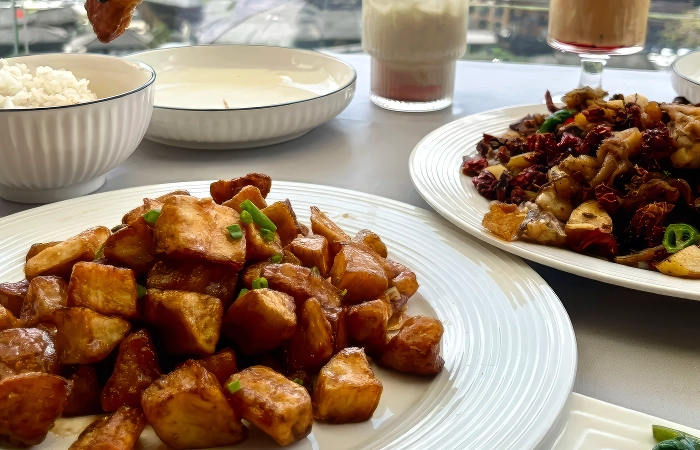
Try the local bamboo rice and fermented fish. These dishes are staples of the Yao people and add a delicious cultural layer to your visual journey.
In summary, the Longji Rice Terraces best time to visit truly depends on your preference: mirror-like water in late spring or golden waves in autumn. Both seasons offer world-class scenery, though spring is better for reflection shots and autumn for color saturation. By planning around these peak windows and avoiding the rainy summer rush, you ensure a memorable journey to one of China’s most magnificent human-made wonders.


Contact Us
What Our Clients Say?
Based on 10,000+ traveler reviews

Daniel Dorothea
Canada
Reviewed on April 29,2025
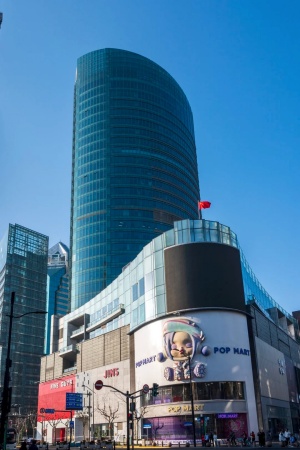
Shopping on Nanjing Road in Shanghai was just amazing! It's truly the "First Commercial Street of China", where tradition and modernity blend perfectly. You can find awesome souvenirs and experience the trendy vibes in cool stores. The neon lights at night are just spectacular, shining bright like Times Square in New York. The food here is incredible too. I had a feast for my taste buds. Shanghai, I'll definitely be back!
Destination(s):
Shanghai
Date of
Experience:
May 08,2024

Elvis Eva
Canada
Reviewed on June 20,2025
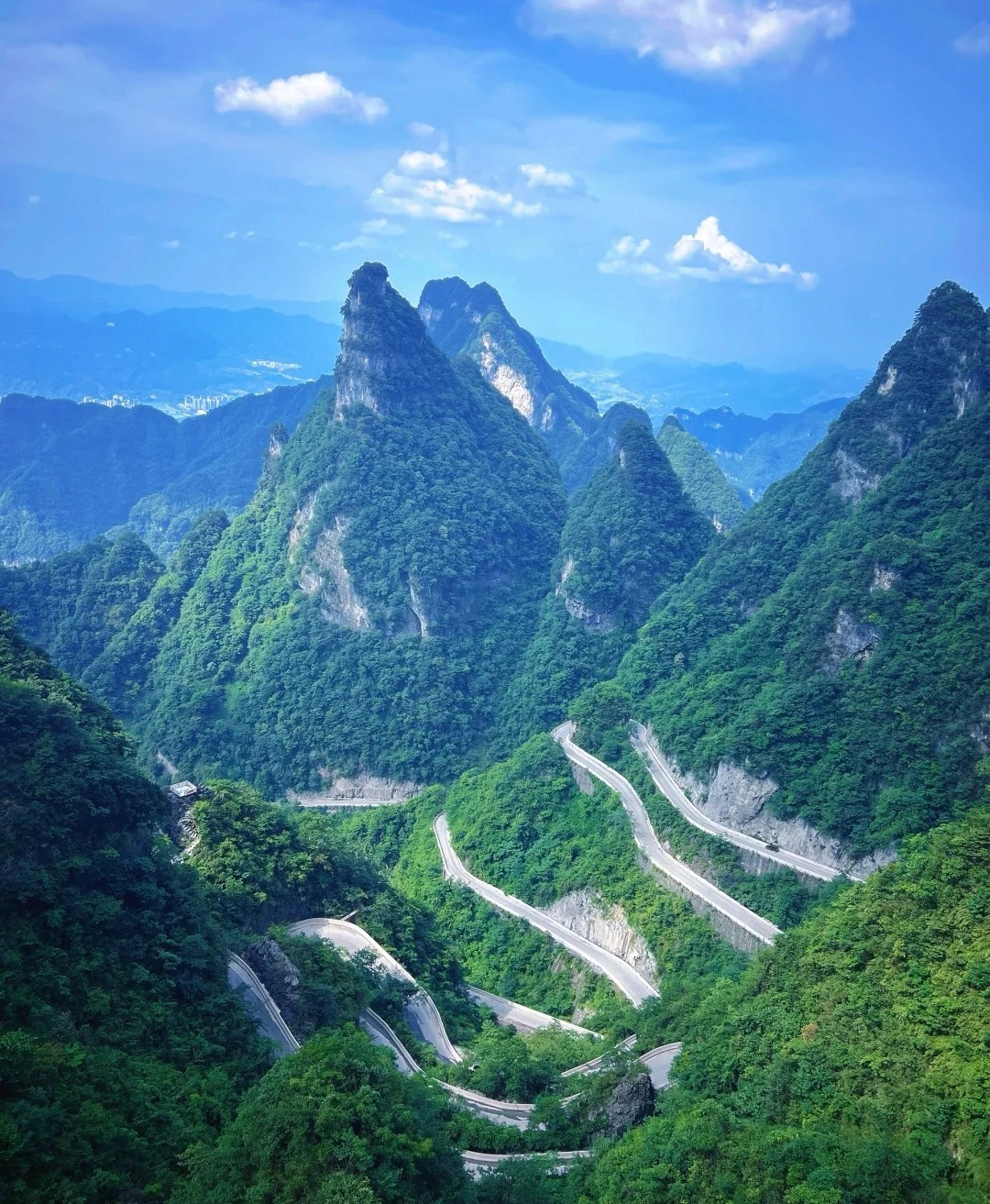
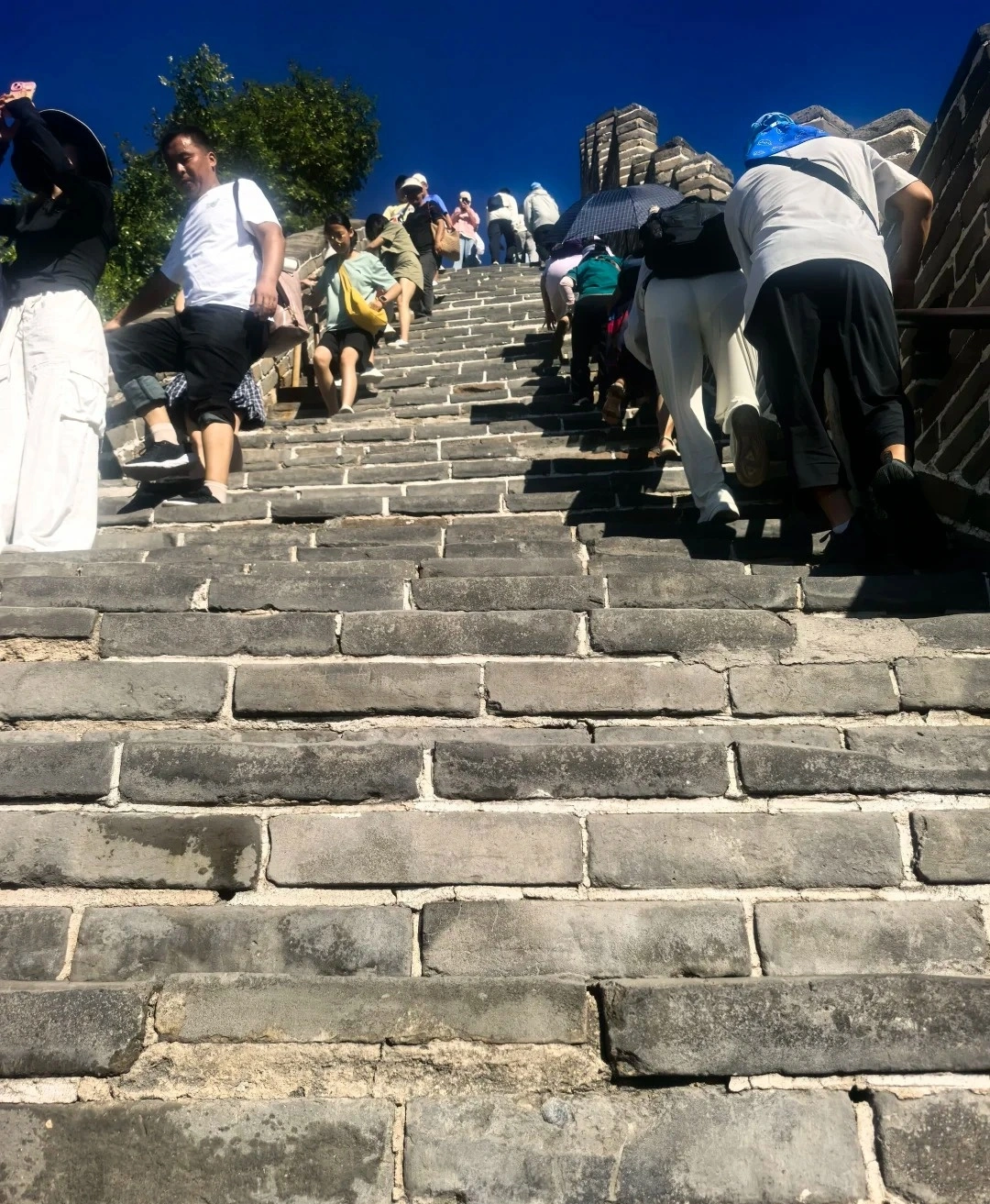
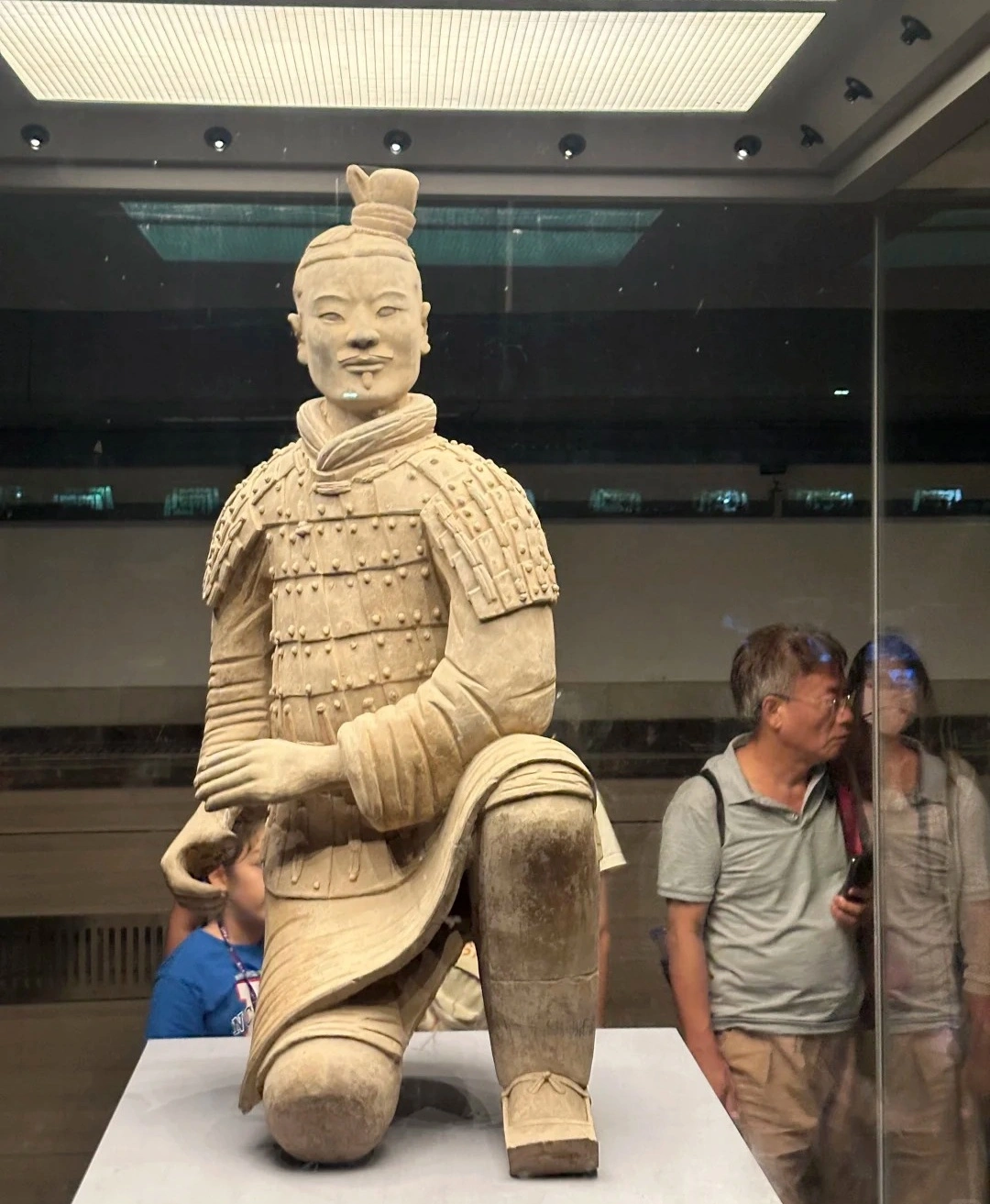
As a solo traveler from Canada, I was nervous about navigating China alone—but this 11-day tour was PERFECT! From hiking the Great Wall at sunrise (Day 3) to gasping at the Terracotta Army (Day 5), every day delivered ‘pinch-me’ moments. The real showstopper? Zhangjiajie’s Avatar Mountains (Day 7)! Our guide made the stone pillars come alive with stories.
Massive thanks for handling all logistics—bullet train tickets, entry passes, car! And the 4-star hotels surprised me.
Destination(s):
Beijing Xian Zhangjiajie Shanghai
Date of
Experience:
June 02,2025

Simon
America
Reviewed on May 29,2025
Our 2-day Zhangjiajie tour was beyond spectacular! As someone who’s visited Beijing and Shanghai for work, this trip revealed China’s wild, magical heart. Day 1 in Zhangjiajie National Forest Park felt like stepping onto Pandora—I’m a huge Avatar fan, and Yuanjiajie’s floating peaks left me breathless. The misty pillars and lush valleys like pure movie magic!
Then came Fenghuang Ancient Town, we eat dinner beside the thundering waterfall. It seems Unreal! The night views of stilt houses glowing over the river were straight from a fairy tale.
For fellow Avatar lovers and adventure seekers: Don’t miss this bucket-list experience! 10/10 would return.
A Well-Traveled Film Buff, May 2025
Destination(s):
Zhangjiajie
Date of
Experience:
May 08,2025