
Kuanzhai Alley (Kuan Zhai Xiangzi): The Ultimate Guide to Chengdu's Historic Heart
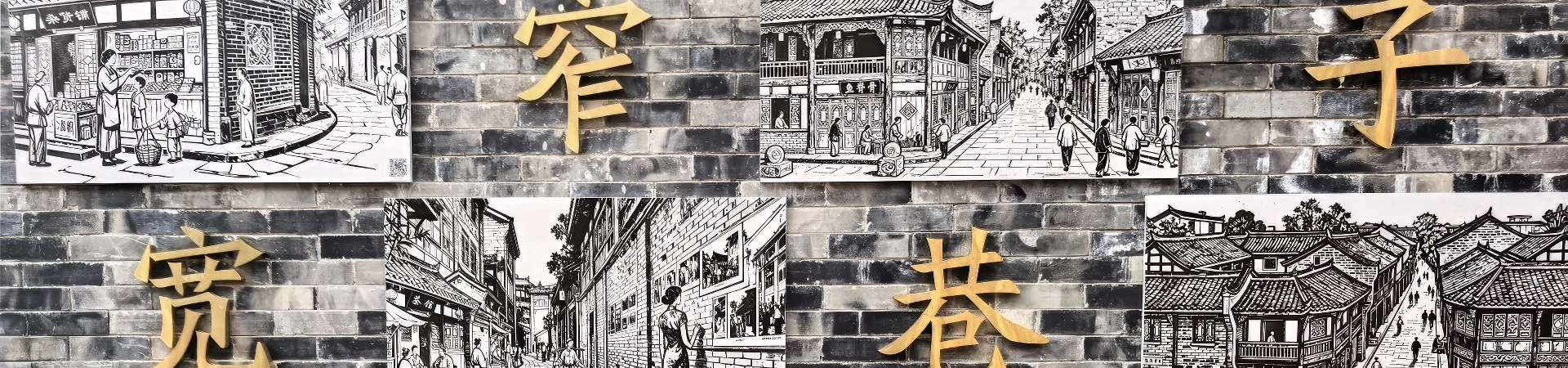
Kuanzhai Alley stands as the beating heart of Chengdu’s cultural memory. Once a military compound for Manchu soldiers during the Qing Dynasty, this historic site now blends ancient architecture with modern vibrancy. For travelers seeking authentic Sichuan culture, these parallel lanes offer a perfect introduction to the city’s slow-paced "leisure" lifestyle.
Exploring the Three Lanes: Kuan, Zhai, and Jing
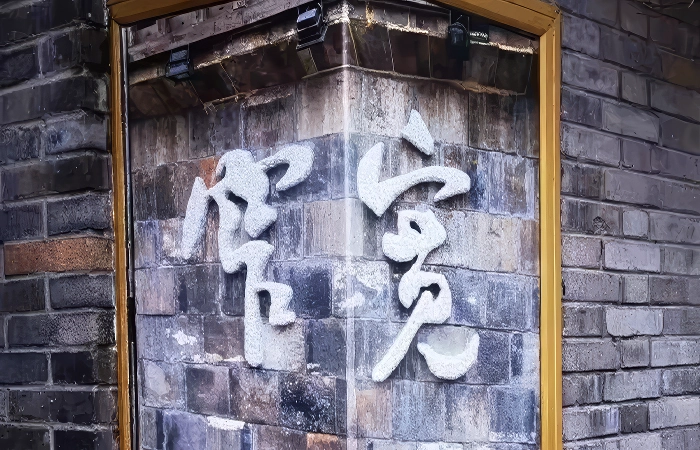
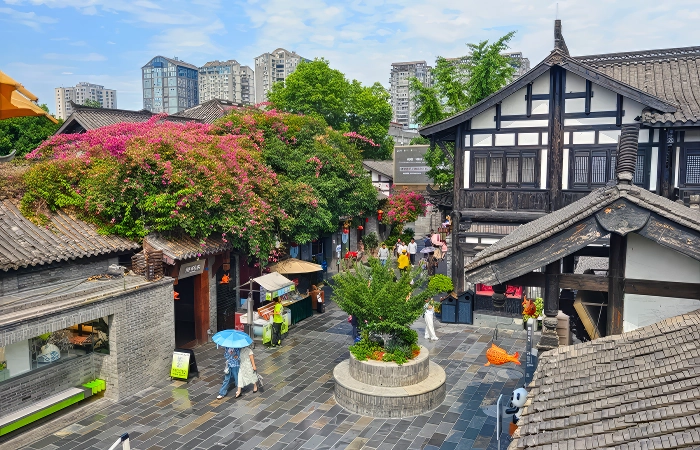
The alley actually consists of three parallel streets: Kuan Alley (Wide Lane), Zhai Alley (Narrow Lane), and Jing Alley (Well Lane). Each has a distinct personality. Kuan Alley feels grand, once home to high-ranking officials. Zhai Alley preserves the intimate scale of traditional Sichuan folk houses. Jing Alley, the quietest, surprises visitors with its underground bar scene and artistic installations.
Wandering here, you’ll notice the consistent gray-brick facades. These walls have witnessed centuries of change yet remain remarkably intact. Unlike many replica ancient towns, Kuanzhai Alley maintains a living atmosphere. Locals still practice Tai Chi in the mornings, and tea houses spill onto the cobblestones.
A Feast for the Senses: Food and Tea Culture
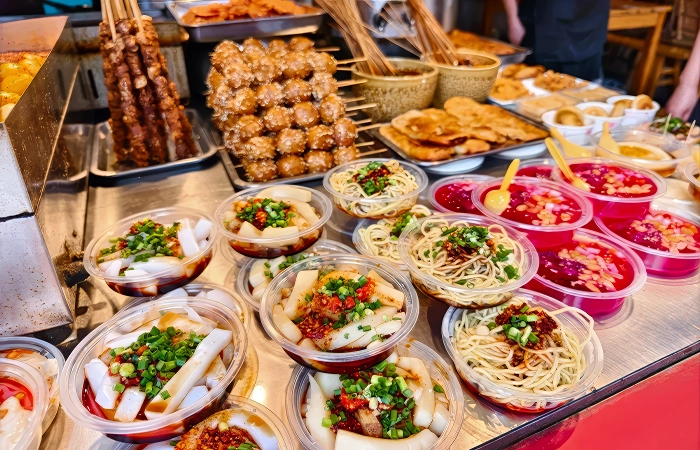
No visit is complete without tasting the local snacks. The scent of spicy hotpot and sweet osmanthus cakes fills the air. Look for Dan Dan Noodles, a signature dish with minced pork, chili oil, and Sichuan peppercorns. For a milder option, try the steamed dumplings at Long Chao Shou.
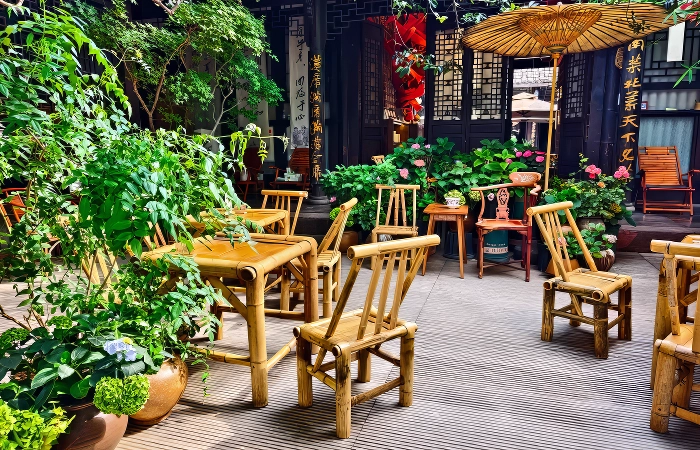
Tea culture thrives here in its purest form. Gather at an outdoor table, order a cup of Mengding Ganlu Green Tea, and watch the world go by. Many teahouses offer ear-cleaning services—a uniquely Chengdu experience that’s surprisingly relaxing. This isn’t just tourism; it’s how Chengdu people have socialized for generations.
Hidden Gems: Art, Opera, and Nightlife
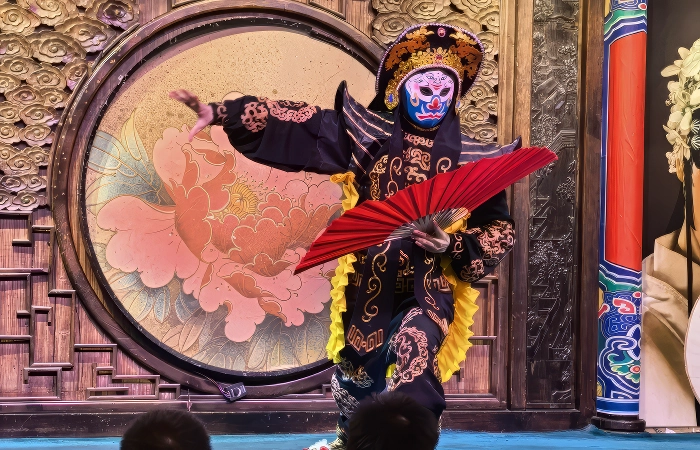
Beyond the main thoroughfare lie quieter courtyards housing boutique shops and art galleries. Don’t miss the Sichuan Opera face-changing performances at the Kuanzhai Alley Theater. The artists’ sudden transformations of silk masks leave audiences gasping in delight. These shows happen daily and provide a thrilling glimpse into regional traditions.
As dusk falls, the lanterns transform the alleys into a golden wonderland. Jing Alley becomes a hotspot for craft cocktails and live music. Yet even at night, the energy remains distinctly Chengdu—lively but never frantic. The blend of Qing Dynasty architecture with neon signs creates a mesmerizing contrast that photographers adore.
Practical Tips for Your Visit
To fully appreciate Kuanzhai Alley, arrive early in the morning (around 8 AM) before tour groups flood in. This is when you’ll see grandmothers buying fresh vegetables and calligraphers practicing with water on the pavement. Wear comfortable shoes—the cobblestones are uneven.
Entry is free, though individual attractions charge small fees. Bring cash for street vendors, as some older sellers don’t accept digital payments. Most importantly, slow down. This isn’t a place to rush; it’s a place to sit, sip tea, and absorb the atmosphere that defines Chengdu travel.
Kuanzhai Alley isn’t just a tourist spot—it’s a living museum where history breathes through every brick. From its Qing Dynasty origins to its modern rebirth, these three lanes capture the essence of Chengdu: a city that cherishes tradition while embracing innovation. Whether you’re tasting spicy noodles, watching opera masks change, or simply people-watching over a cup of tea, this historic alley delivers an unforgettable slice of Sichuan life.


Contact Us
What Our Clients Say?
Based on 10,000+ traveler reviews

Daniel Dorothea
Canada
Reviewed on April 29,2025
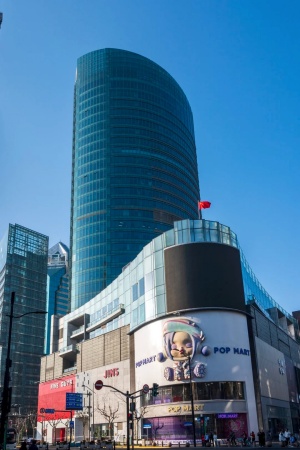
Shopping on Nanjing Road in Shanghai was just amazing! It's truly the "First Commercial Street of China", where tradition and modernity blend perfectly. You can find awesome souvenirs and experience the trendy vibes in cool stores. The neon lights at night are just spectacular, shining bright like Times Square in New York. The food here is incredible too. I had a feast for my taste buds. Shanghai, I'll definitely be back!
Destination(s):
Shanghai
Date of
Experience:
May 08,2024

Elvis Eva
Canada
Reviewed on June 20,2025
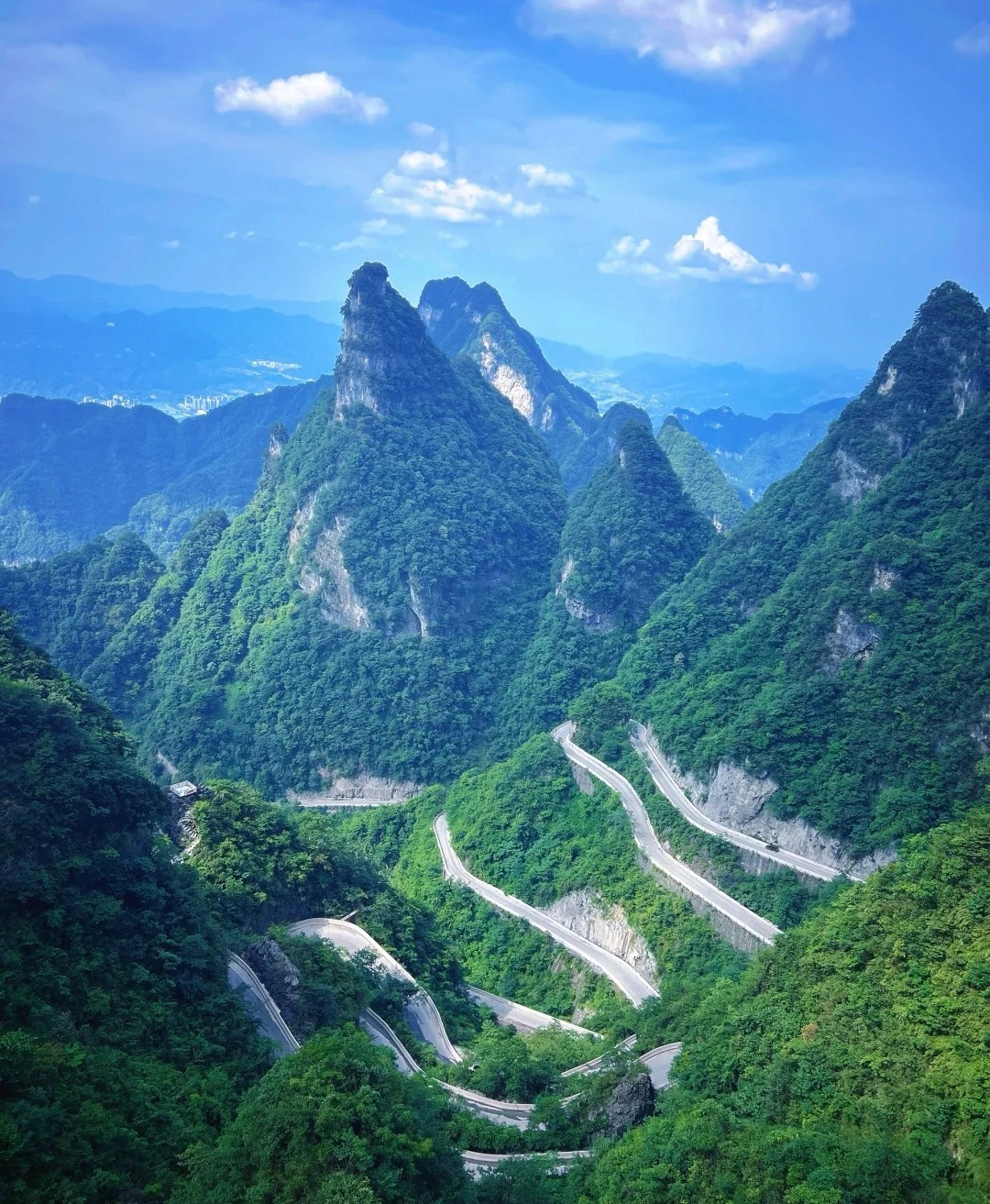
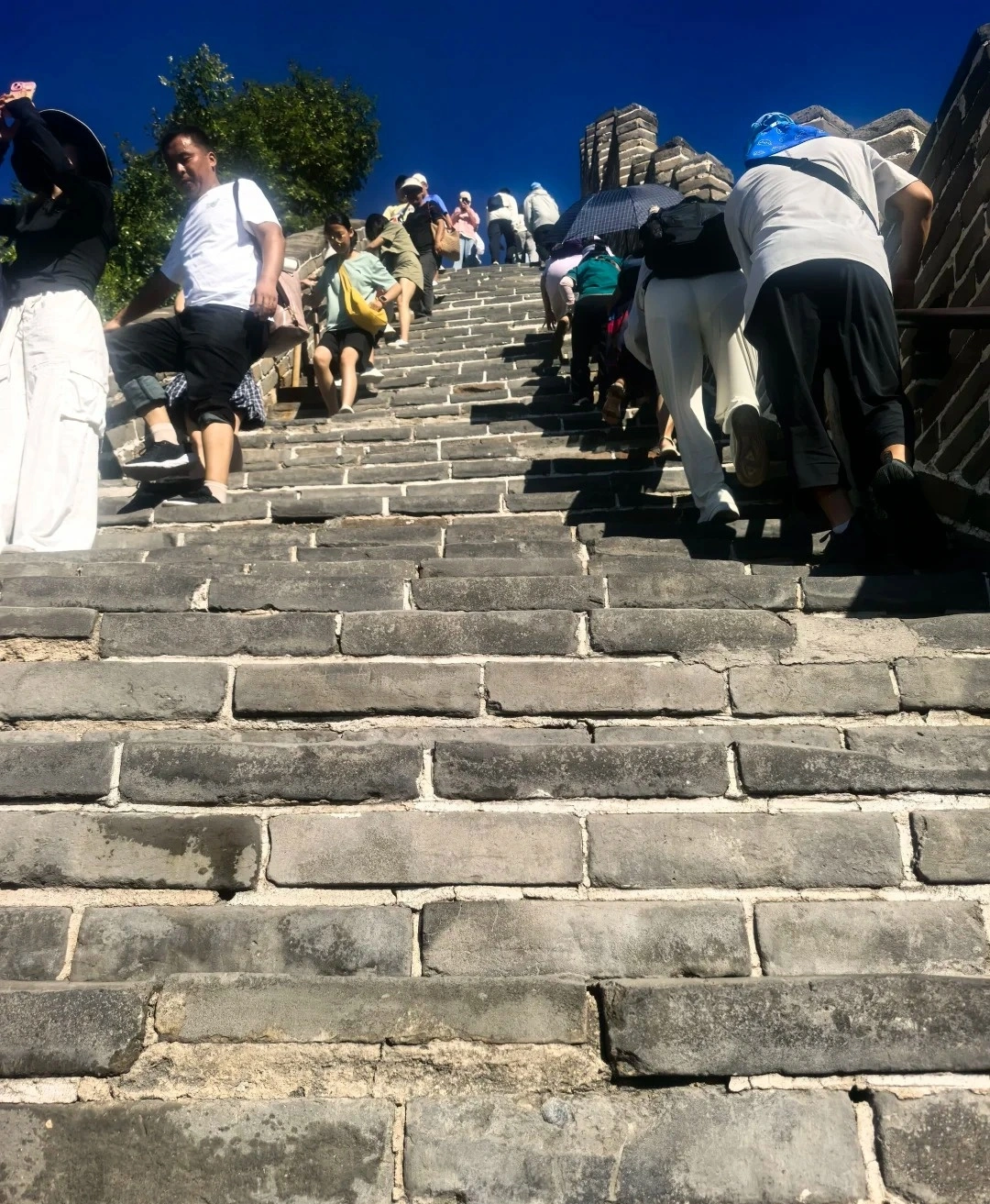
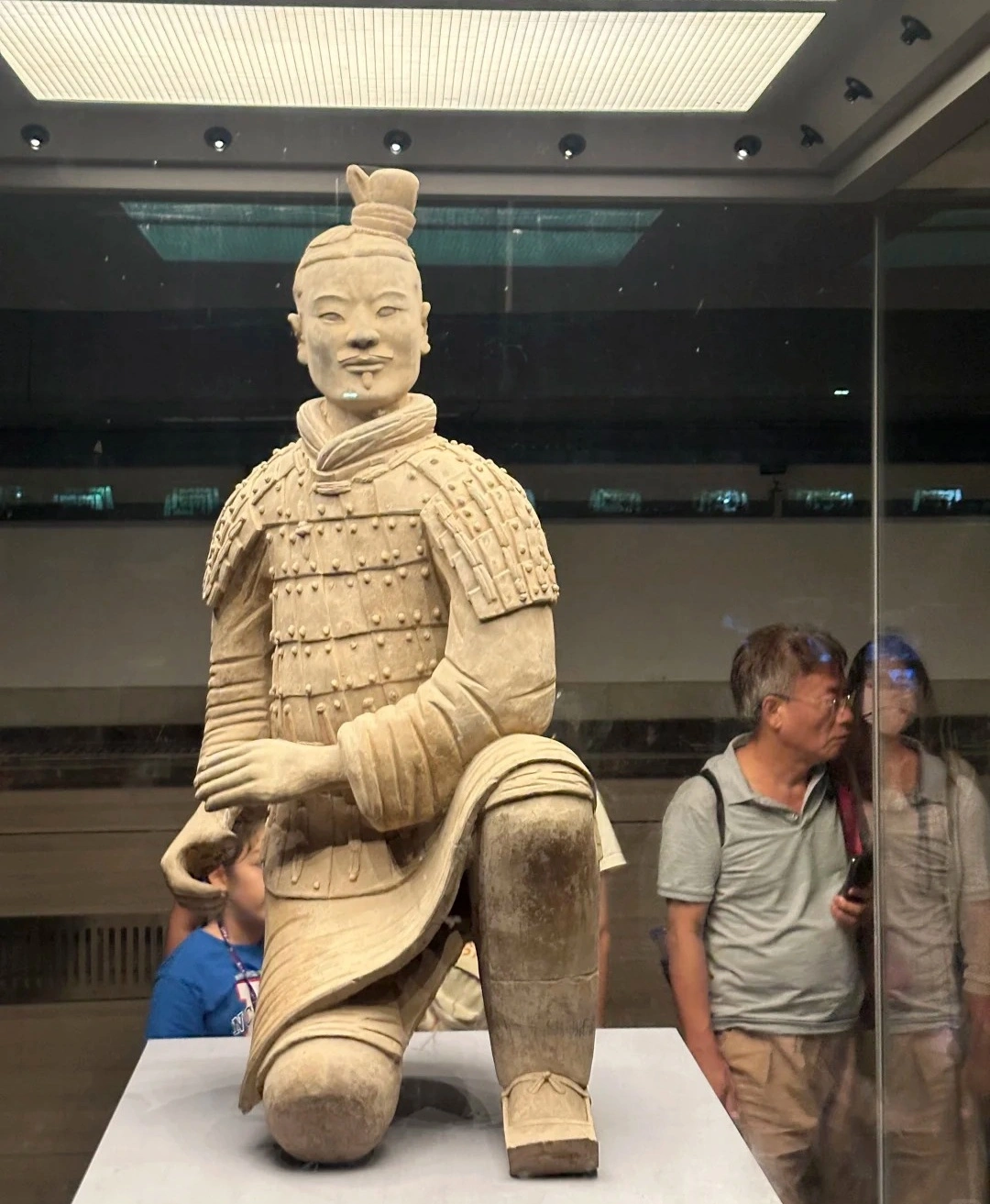
As a solo traveler from Canada, I was nervous about navigating China alone—but this 11-day tour was PERFECT! From hiking the Great Wall at sunrise (Day 3) to gasping at the Terracotta Army (Day 5), every day delivered ‘pinch-me’ moments. The real showstopper? Zhangjiajie’s Avatar Mountains (Day 7)! Our guide made the stone pillars come alive with stories.
Massive thanks for handling all logistics—bullet train tickets, entry passes, car! And the 4-star hotels surprised me.
Destination(s):
Beijing Xian Zhangjiajie Shanghai
Date of
Experience:
June 02,2025

Simon
America
Reviewed on May 29,2025
Our 2-day Zhangjiajie tour was beyond spectacular! As someone who’s visited Beijing and Shanghai for work, this trip revealed China’s wild, magical heart. Day 1 in Zhangjiajie National Forest Park felt like stepping onto Pandora—I’m a huge Avatar fan, and Yuanjiajie’s floating peaks left me breathless. The misty pillars and lush valleys like pure movie magic!
Then came Fenghuang Ancient Town, we eat dinner beside the thundering waterfall. It seems Unreal! The night views of stilt houses glowing over the river were straight from a fairy tale.
For fellow Avatar lovers and adventure seekers: Don’t miss this bucket-list experience! 10/10 would return.
A Well-Traveled Film Buff, May 2025
Destination(s):
Zhangjiajie
Date of
Experience:
May 08,2025