
Shanghai Zoo: Your Ultimate Guide to Wildlife and Adventure in China
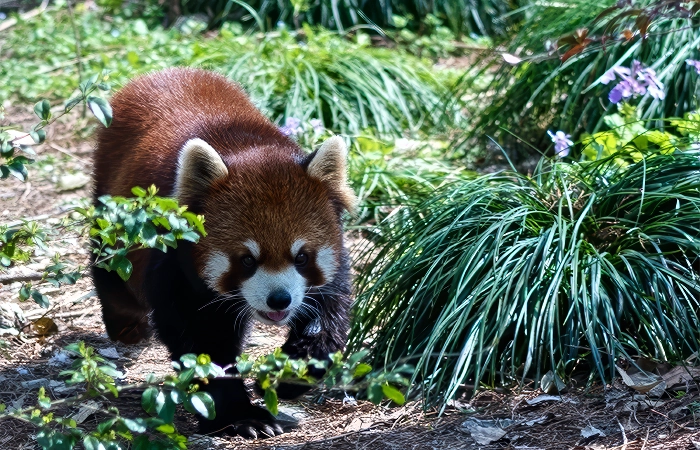
Shanghai Zoo, is one of the most iconic wildlife destinations in China. Located in the Changning District, this expansive park offers visitors a unique chance to see giant pandas, red pandas, and rare South China tigers up close. Whether you are a family looking for a fun day out or a solo traveler seeking nature, Shanghai Zoo delivers an unforgettable experience with its lush gardens and diverse animal collections. It is easily accessible via Metro Line 10, making it a must-visit attraction for anyone exploring the city.
A Legacy of Conservation: The History of Shanghai Zoo
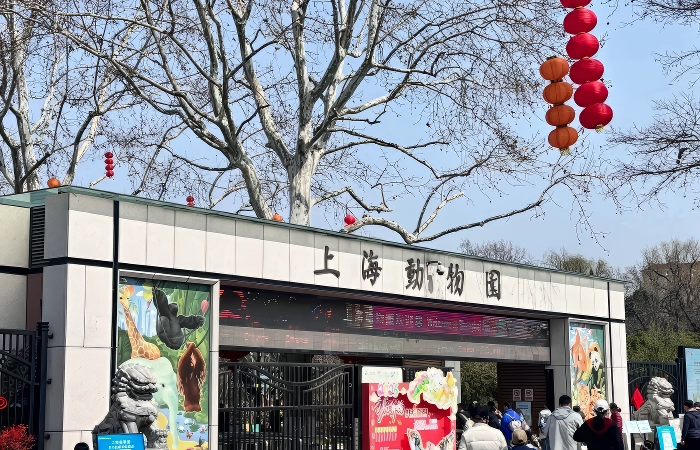
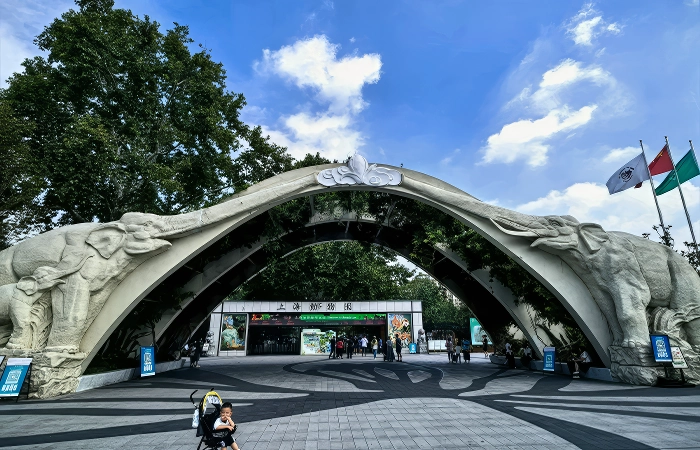
Founded in 1954, the park has grown from a small exhibition area into a massive conservation center covering 74 hectares. Originally called the Xijiao Park, it was renamed to reflect its primary focus on zoological research and public education. Over the decades, it has played a crucial role in breeding endangered species, particularly the giant panda. Walking through the gates today, you aren't just entering a park; you are stepping into a living museum of biological history where conservation meets recreation.
Exploring the Giant Panda House: The Park's Crown Jewel
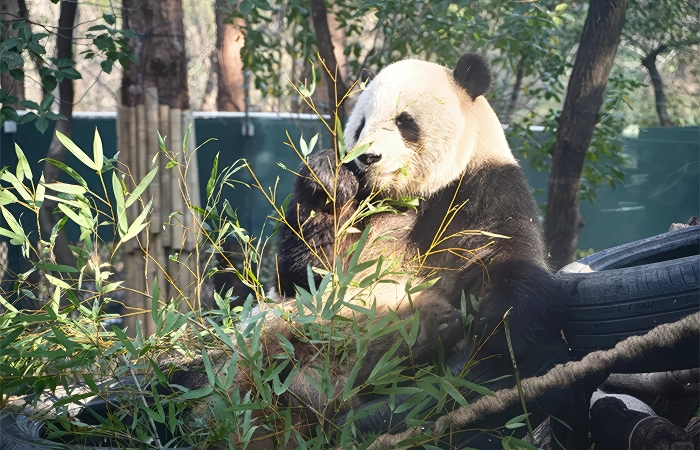
No visit to Shanghai Zoo is complete without stopping at the Giant Panda House. This is one of the most popular spots in the park, often bustling with excited crowds hoping to catch a glimpse of China’s national treasure. The enclosures are designed to mimic the pandas' natural habitat in the Sichuan mountains, complete with climbing structures and misty water features. You can watch these black-and-white giants munch on bamboo or lounge lazily on wooden platforms. The sight of a giant panda rolling playfully is a memory that sticks with you long after you leave the park.
Rare Cats and Primates: Beyond the Pandas
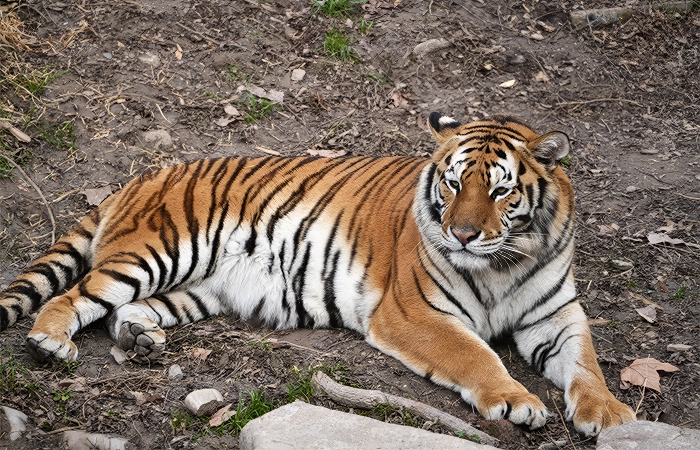
While the pandas steal the show, the animal collections in Shanghai are incredibly diverse. The Big Cat House is home to the critically endangered South China tiger. Their piercing eyes and powerful strides are mesmerizing to watch, even through the glass barriers. Nearby, the Primate Hall houses a fascinating array of monkeys and apes. You might spot golden snub-nosed monkeys with their striking blue faces or gibbons swinging effortlessly from rope bridges. The layout allows for intimate observation without disturbing the animals' natural behaviors.
A Botanical Journey: The Gardens of Xijiao
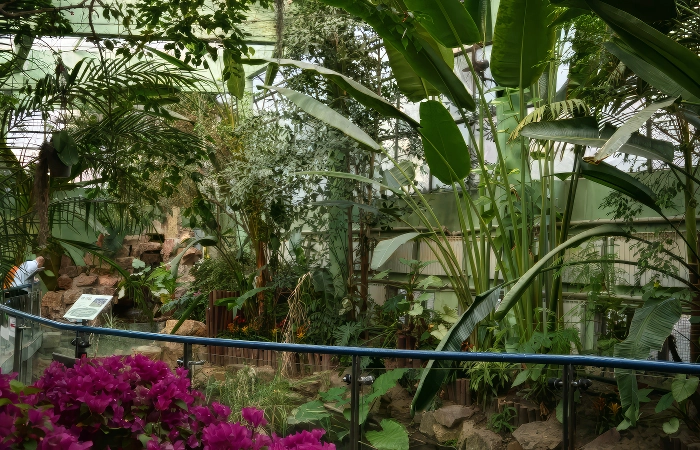
One of the best-kept secrets of Shanghai Zoo is that it is also a stunning botanical garden. The park is dotted with ancient banyan trees, vibrant peony gardens, and serene lotus ponds that change with the seasons. In spring, the cherry blossoms create a pink canopy perfect for photos. During autumn, the ginkgo trees turn a brilliant gold, offering a peaceful escape from the city's concrete jungle. The well-maintained pathways are shaded and clean, providing a cool respite on hot summer days. It feels less like a cage and more like a curated nature reserve.
Visitor Essentials: Tickets, Maps, and Getting There
Planning your trip is straightforward. The Shanghai Zoo ticket price is very affordable, usually around 40 RMB for adults, with discounts for students and seniors. You can easily purchase tickets at the entrance or via official WeChat mini-programs. For foreign visitors, having a passport is essential for ticket verification. The park is open from 8:00 AM to 5:00 PM daily. Arriving early is recommended to beat the crowds and see the animals when they are most active in the morning.
Getting There:
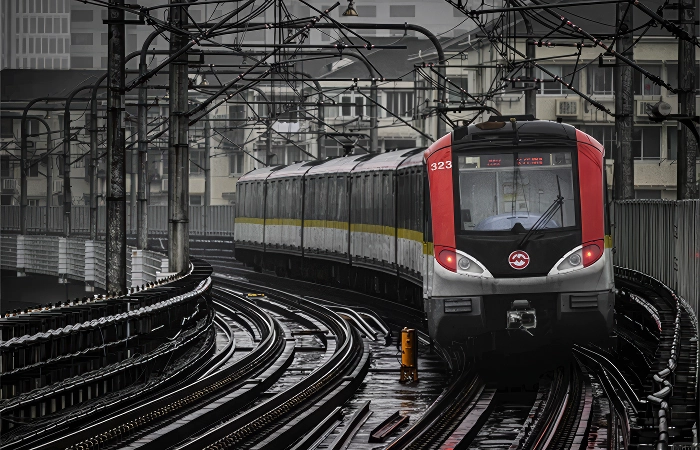
Take Metro Line 10 to the Shanghai Zoo Station (Exit 1). The walk from the station to the entrance is short and lined with local snack shops. If you prefer a taxi, the ride from the city center takes about 30 minutes, depending on traffic. Bicycles are also a great option for those staying in the nearby Hongqiao area, as there are dedicated bike lanes leading to the park entrance.
Photography Tips and Visitor Etiquette
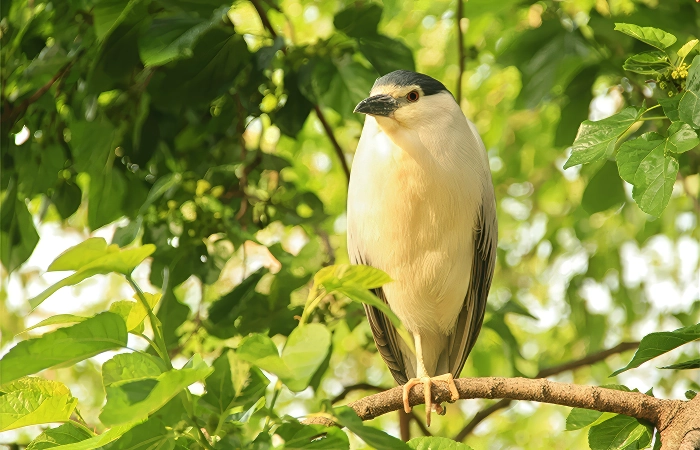
For photography enthusiasts, Shanghai Zoo offers endless opportunities. The panda enclosure is best photographed in the morning when the light is soft. Bring a zoom lens to capture details of the birds in the Aviary. However, please remember to turn off your flash to avoid startling the animals. Feeding the animals is strictly prohibited, but you can buy approved snacks like carrots for the deer in specific designated areas. Respecting the "no feeding" signs helps keep the animals healthy and safe.
Dining and Relaxation Inside the Park
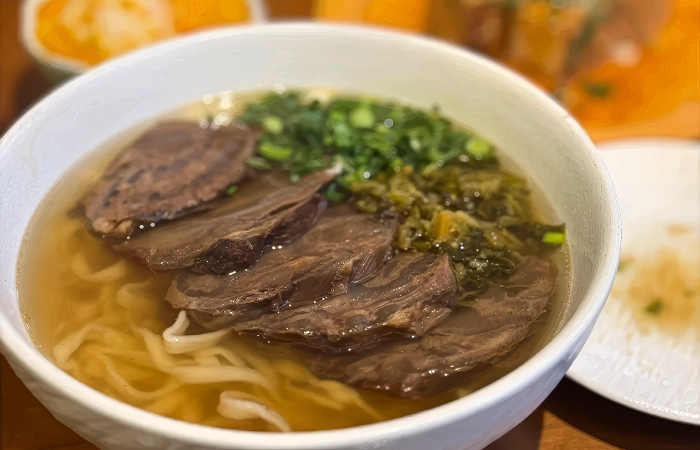
Exploring 74 hectares can work up an appetite. There are several cafeterias and tea houses scattered around the park offering typical Chinese snacks. You can grab steamed buns, noodles, or cold drinks without leaving the grounds. For a more luxurious break, there are picnic areas near the lakes where you can sit on the grass and enjoy the scenery. The on-site restaurants are reasonably priced, though bringing your own water bottle is highly recommended to stay hydrated.
Educational Value for Families and Students
Shanghai Zoo serves as an outdoor classroom for thousands of local students. Signs in both Chinese and English provide detailed information about each species' habitat and diet. The park frequently hosts educational talks and feeding demonstrations that are free to attend. For international families, it’s a fantastic way to introduce children to global biodiversity. The interactive exhibits in the science hall make learning about conservation fun and engaging for younger visitors.
In conclusion, Shanghai Zoo is more than just a place to look at animals; it is a vibrant hub of nature, history, and conservation located right in the heart of the metropolis. From the adorable giant pandas to the majestic South China tigers, and from the beautiful botanical gardens to the convenient location, it offers a perfect blend of education and entertainment. Whether you have a few hours or a whole day, the park provides a refreshing break from the urban hustle. Don't miss the chance to witness China's wildlife heritage on your next trip—add this iconic destination to your itinerary today and create memories that will last a lifetime!


Contact Us
What Our Clients Say?
Based on 10,000+ traveler reviews

Daniel Dorothea
Canada
Reviewed on April 29,2025
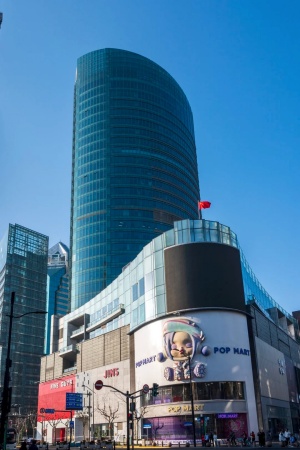
Shopping on Nanjing Road in Shanghai was just amazing! It's truly the "First Commercial Street of China", where tradition and modernity blend perfectly. You can find awesome souvenirs and experience the trendy vibes in cool stores. The neon lights at night are just spectacular, shining bright like Times Square in New York. The food here is incredible too. I had a feast for my taste buds. Shanghai, I'll definitely be back!
Destination(s):
Shanghai
Date of
Experience:
May 08,2024

Elvis Eva
Canada
Reviewed on June 20,2025
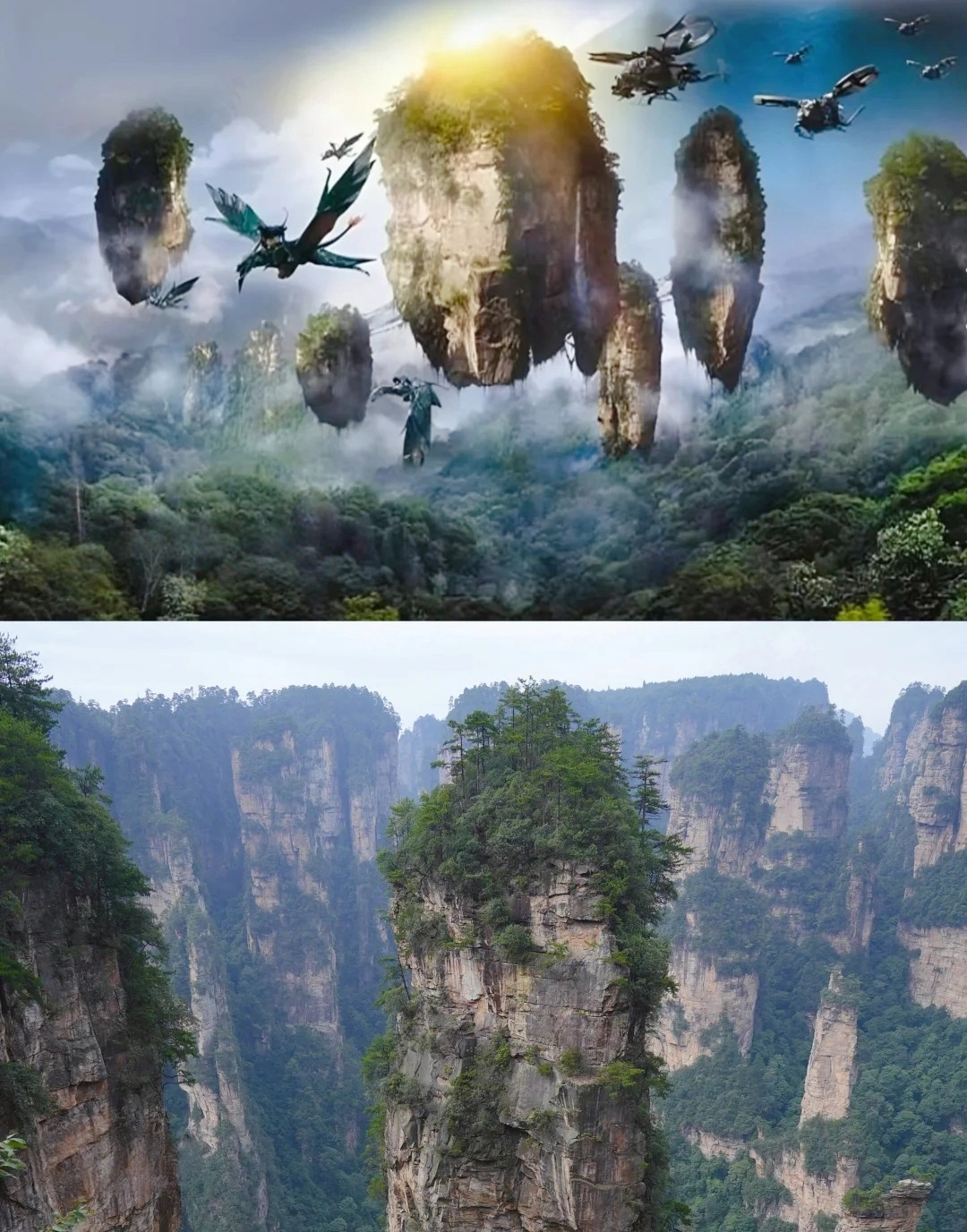
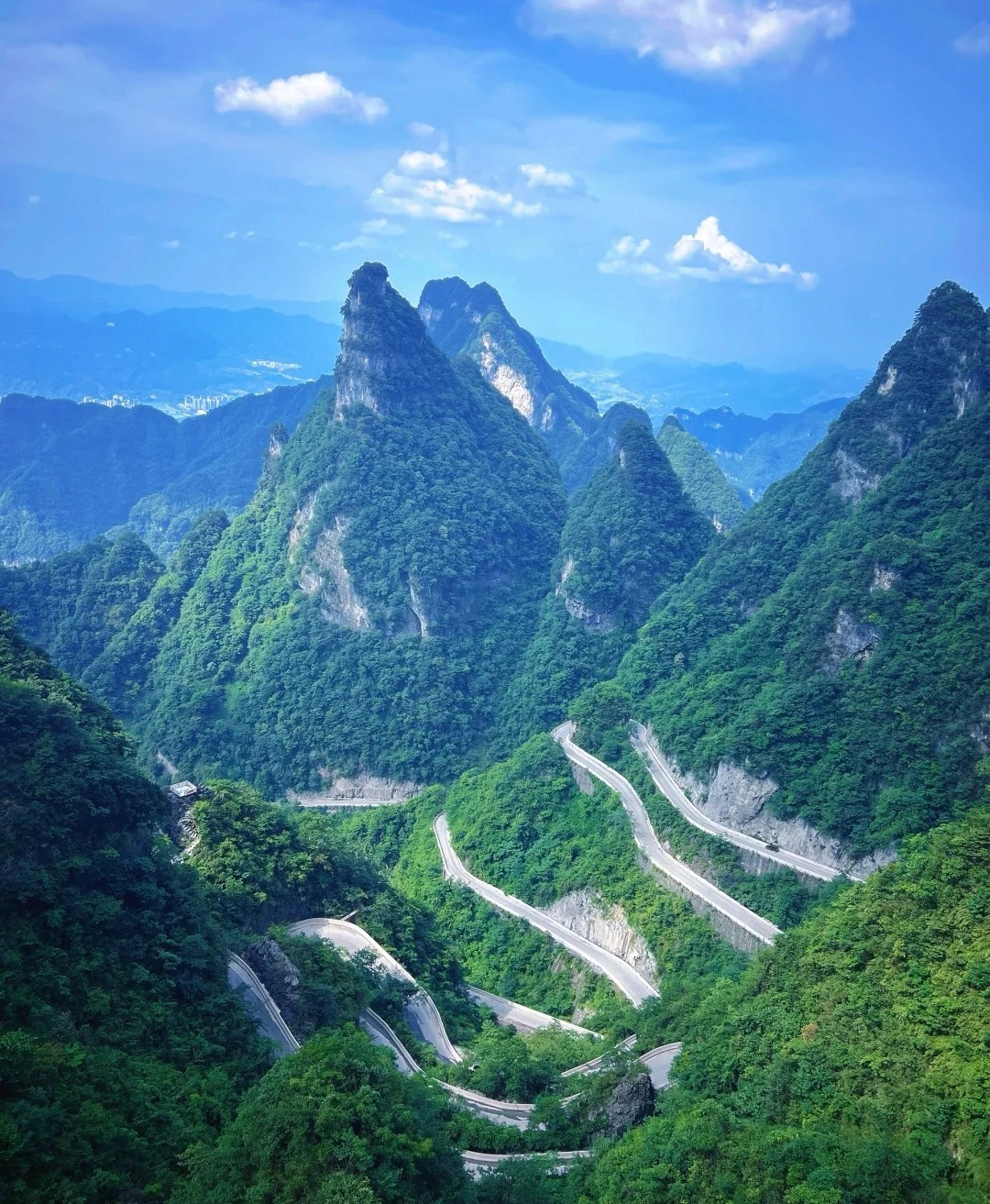
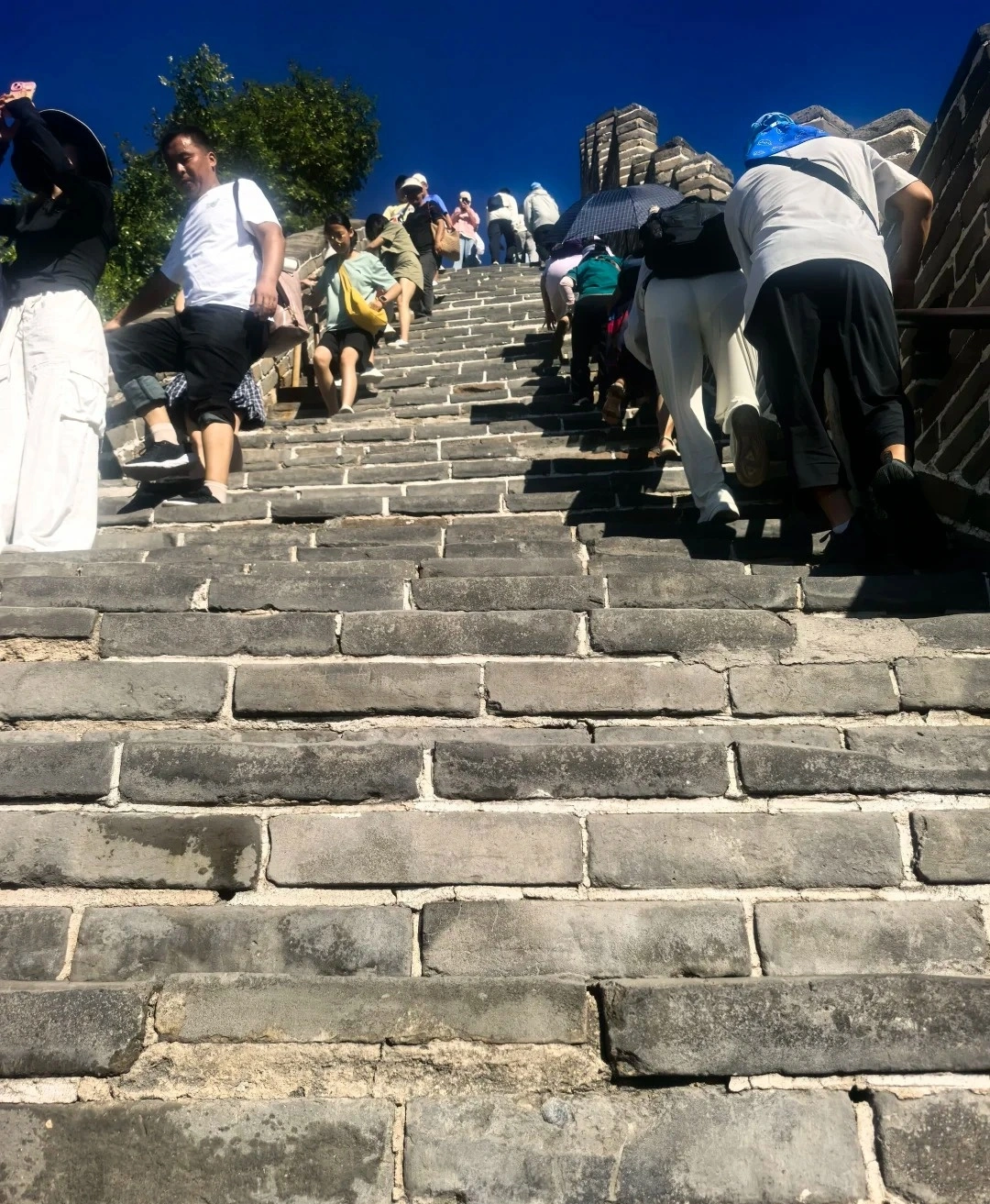
As a solo traveler from Canada, I was nervous about navigating China alone—but this 11-day tour was PERFECT! From hiking the Great Wall at sunrise (Day 3) to gasping at the Terracotta Army (Day 5), every day delivered ‘pinch-me’ moments. The real showstopper? Zhangjiajie’s Avatar Mountains (Day 7)! Our guide made the stone pillars come alive with stories.
Massive thanks for handling all logistics—bullet train tickets, entry passes, car! And the 4-star hotels surprised me.
Destination(s):
Beijing Xian Zhangjiajie Shanghai
Date of
Experience:
June 02,2025

Simon
America
Reviewed on May 29,2025
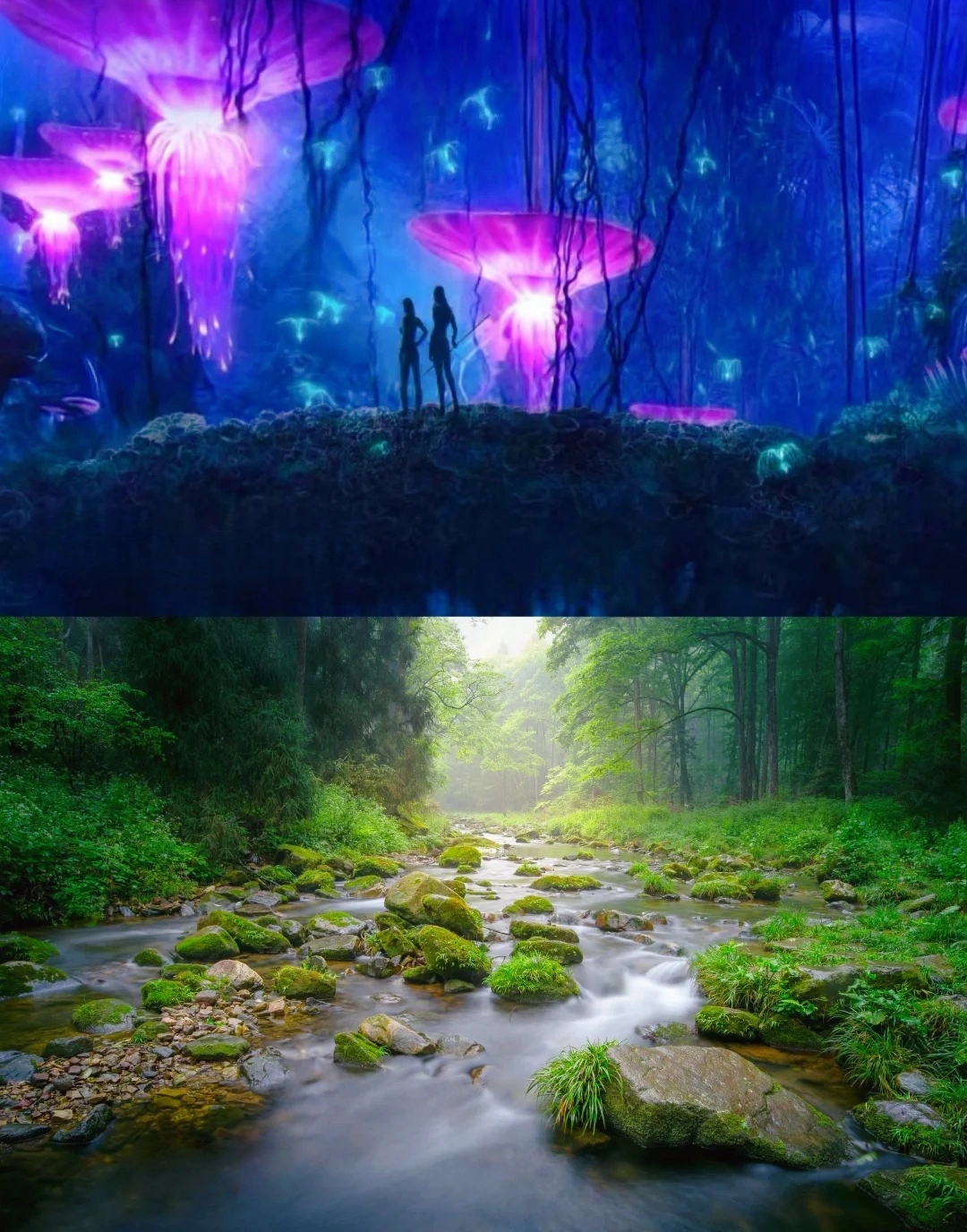
Our 2-day Zhangjiajie tour was beyond spectacular! As someone who’s visited Beijing and Shanghai for work, this trip revealed China’s wild, magical heart. Day 1 in Zhangjiajie National Forest Park felt like stepping onto Pandora—I’m a huge Avatar fan, and Yuanjiajie’s floating peaks left me breathless. The misty pillars and lush valleys like pure movie magic!
Then came Fenghuang Ancient Town, we eat dinner beside the thundering waterfall. It seems Unreal! The night views of stilt houses glowing over the river were straight from a fairy tale.
For fellow Avatar lovers and adventure seekers: Don’t miss this bucket-list experience! 10/10 would return.
A Well-Traveled Film Buff, May 2025
Destination(s):
Zhangjiajie
Date of
Experience:
May 08,2025