
Lingshan Grand Buddha: A Complete Guide to China's Majestic Giant Buddha
The Lingshan Grand Buddha stands as one of the most awe-inspiring bronze statues in the world, located in the scenic town of Mashan near Wuxi, Jiangsu Province. Rising 88 meters high, this colossal figure overlooks Lake Taihu and attracts millions of visitors seeking both spiritual peace and architectural wonder. If you are planning a trip to Wuxi, this iconic landmark is an absolute must-see on your itinerary.
The History and Construction of the Lingshan Giant Buddha
The story of this magnificent statue began in the late 1990s. It took nearly three years of meticulous work by skilled craftsmen to complete the project. The statue was officially unveiled to the public in 1997, representing the culmination of ancient Buddhist artistry and modern engineering.
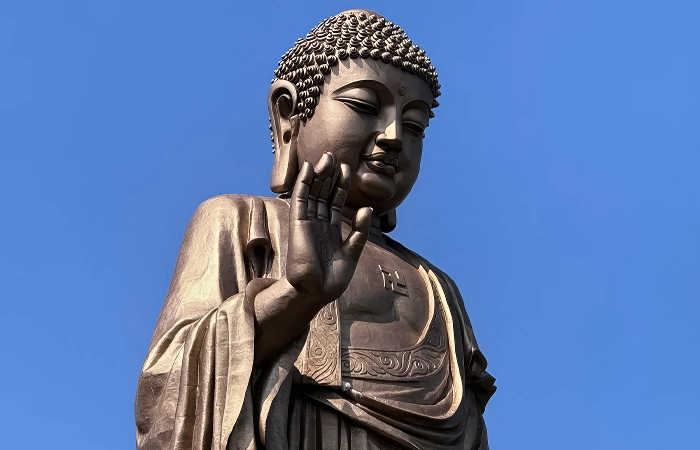
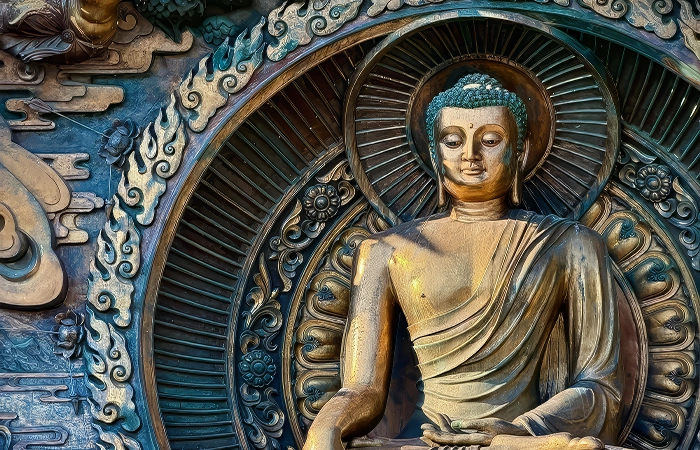
Standing on a three-tiered lotus pedestal, the Buddha faces the serene waters of Lake Taihu. Its posture, with the right hand raised in the "Abhaya Mudra" (gesture of fearlessness), conveys a sense of calm and protection. The construction used over 700 tons of bronze, making it a heavyweight not just physically, but culturally.
Unlike many smaller statues found in temples, the Lingshan Grand Buddha was designed to be visible from great distances. It symbolizes the harmony between nature, humanity, and the divine. The site was chosen specifically for its "dragon vein" energy in Feng Shui, believed to be a place of great spiritual power.
What to See at the Lingshan Buddhist Scenic Area
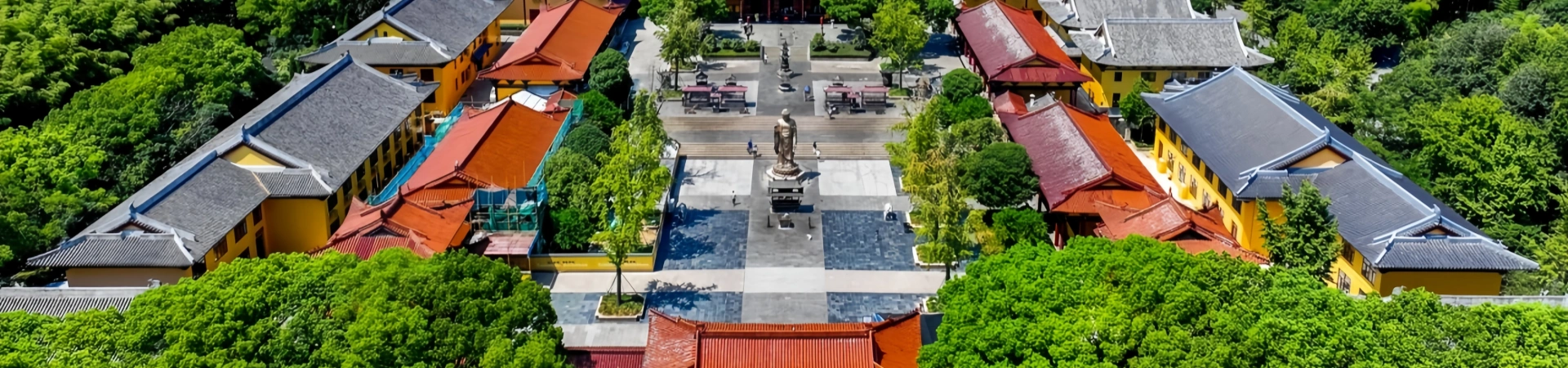
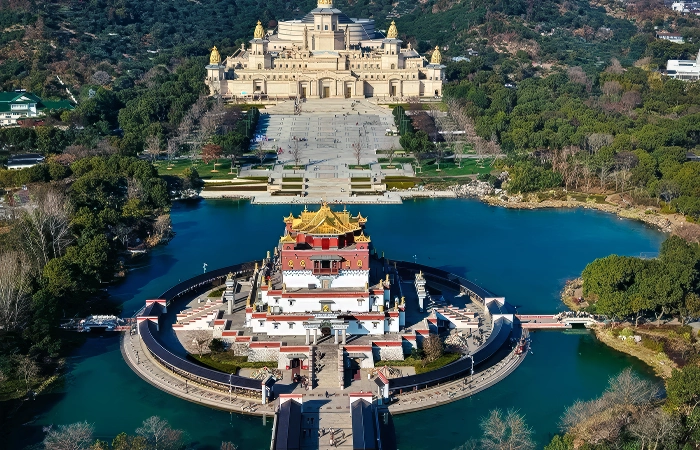
Beyond the main statue, the scenic area covers a vast 30 hectares. The layout is thoughtfully designed to guide visitors through a journey of enlightenment. You will find a blend of natural beauty and man-made grandeur that feels immersive rather than overwhelming.
Xiangfu Avenue and the Grand Palaces
As you walk up Xiangfu Avenue, you are greeted by the majestic Five Wisdom Mandala Palaces. These buildings showcase the essence of Esoteric Buddhism with their intricate carvings and vibrant colors. The architecture here is less about scale and more about detail; every beam and bracket tells a story.
The Hall of the Brahma Heaven is particularly striking. It features a towering indoor statue of the Brahma Heavenly King, crafted from a single piece of white jade. The craftsmanship is so fine that you can see the texture of the clothing and the expression on the face clearly, even from a distance.
The Nine Dragons Bathing the Prince
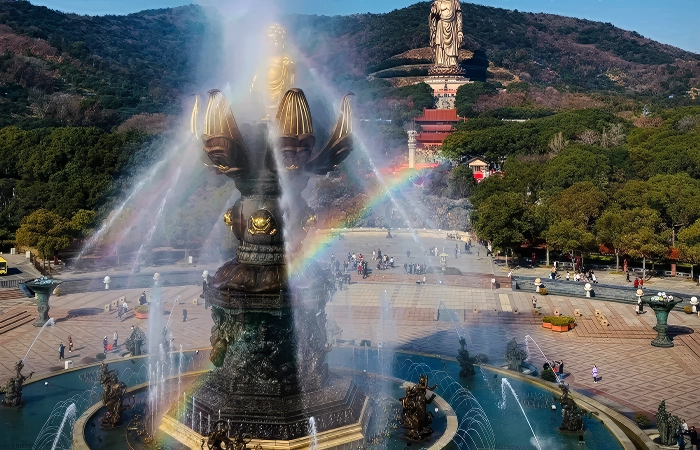
One of the most dynamic sights is the "Nine Dragons Bathing the Prince" fountain. This massive bronze sculpture depicts the legend of Siddhartha’s birth. When the music plays, water sprays in rhythmic patterns, creating a spectacular visual show that delights both children and adults.
This area is a favorite spot for photography. The contrast between the ancient legend and the modern fountain technology creates a unique atmosphere. It is a perfect place to rest your legs while enjoying a cool mist on a warm day.
Visitor Experience: Climbing the Stairs and Touching the Buddha
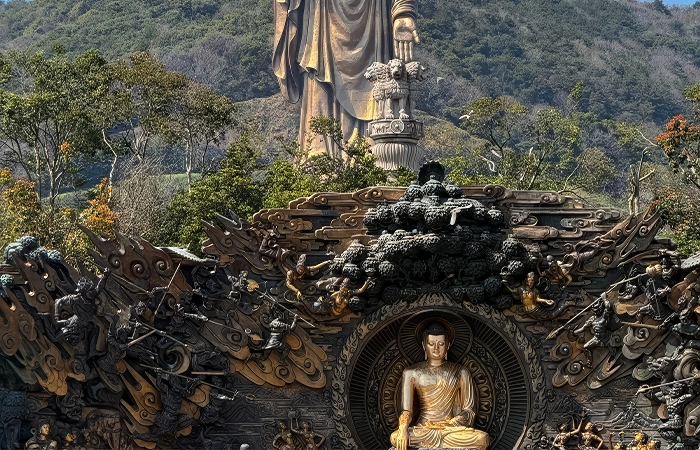
For those who want to get close to the giant, there are 218 steps leading up to the lotus base. While it sounds like a workout, the climb is manageable and offers increasingly breathtaking views. Each step represents a stage of spiritual ascent.
At the base, you have the rare opportunity to "touch the Buddha’s foot." This is a traditional ritual believed to bring good luck and wash away worries. The queue moves steadily, and the staff are helpful in guiding visitors on proper etiquette.
Inside the statue, there is an elevator that takes you up to the lotus pedestal level. Here, you can walk around the base and look out over the entire scenic area. On a clear day, you can see the shimmering surface of Lake Taihu and the lush green hills in the distance.
Practical Tips for Your Visit
To make the most of your trip, wear comfortable walking shoes. The area is large, and you will be doing a lot of walking on stone pavements. It is also advisable to bring water and a hat, as there is limited shade on the stairs leading to the main statue.
Photography is allowed almost everywhere, but be respectful inside the temples. Avoid using flash when taking pictures of the statues inside the halls. The best time to visit is early in the morning to avoid crowds and to see the mist rising from the lake, which adds a mystical touch to the scenery.
The Spiritual Atmosphere of Lingshan
What sets the Lingshan Grand Buddha apart from other tourist attractions is its genuine spiritual vibe. It is not just a theme park; it is an active site of worship and pilgrimage. You will often see monks chanting and locals making offerings of incense and lotus flowers.
The sound of the temple bells echoing across the valley creates a meditative atmosphere. Even if you are not religious, the sheer serenity of the place has a calming effect on the mind. It serves as a quiet retreat from the hustle and bustle of city life in nearby Shanghai or Wuxi.
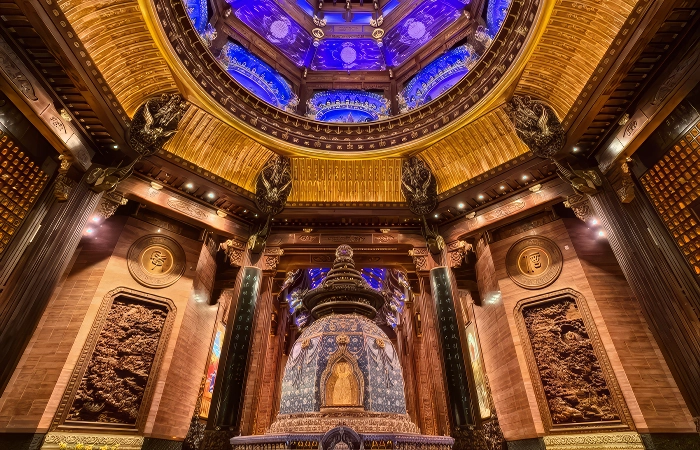
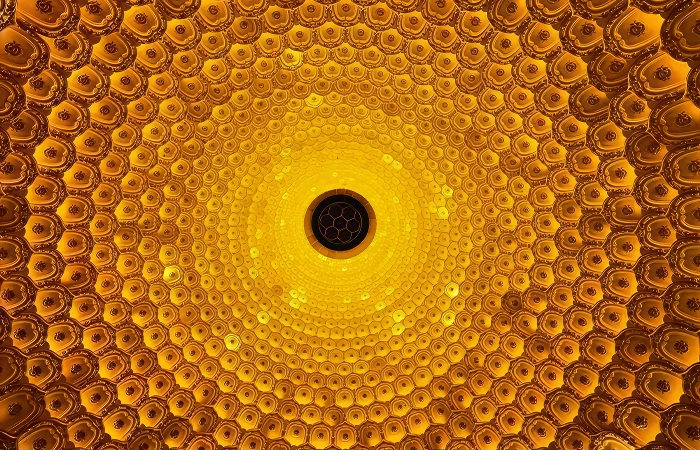
The scenic area also hosts the Lingshan Brahma Palace, which is an architectural marvel in itself. Inside, the dome is adorned with a stunning golden mural that seems to glow in the dim light. It is a place where art, religion, and culture converge seamlessly.
Nearby Attractions to Combine with Your Trip
Since you are in Mashan, consider visiting the Lingshan Element Village or the nearby Ling Shan Small Town. These areas offer traditional Chinese snacks, tea houses, and souvenir shops. It is a great way to experience local life after visiting the grand statue.
Lake Taihu is also nearby, offering boat rides and scenic drives. Combining a visit to the Lingshan Grand Buddha with a cruise on the lake makes for a perfect full-day itinerary.
In summary, the Lingshan Grand Buddha is more than just a large statue; it is a masterpiece of bronze art, a center of Buddhist culture, and a breathtaking natural landmark. Whether you are interested in history, architecture, or simply finding a moment of peace, this destination offers a profound experience that stays with you long after you leave.


Contact Us
What Our Clients Say?
Based on 10,000+ traveler reviews

Daniel Dorothea
Canada
Reviewed on April 29,2025
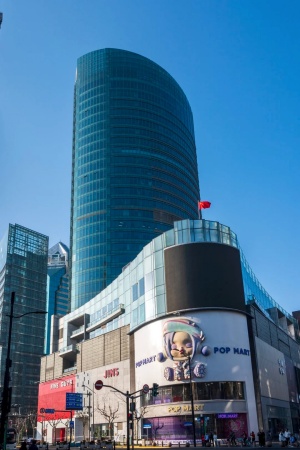
Shopping on Nanjing Road in Shanghai was just amazing! It's truly the "First Commercial Street of China", where tradition and modernity blend perfectly. You can find awesome souvenirs and experience the trendy vibes in cool stores. The neon lights at night are just spectacular, shining bright like Times Square in New York. The food here is incredible too. I had a feast for my taste buds. Shanghai, I'll definitely be back!
Destination(s):
Shanghai
Date of
Experience:
May 08,2024

Elvis Eva
Canada
Reviewed on June 20,2025
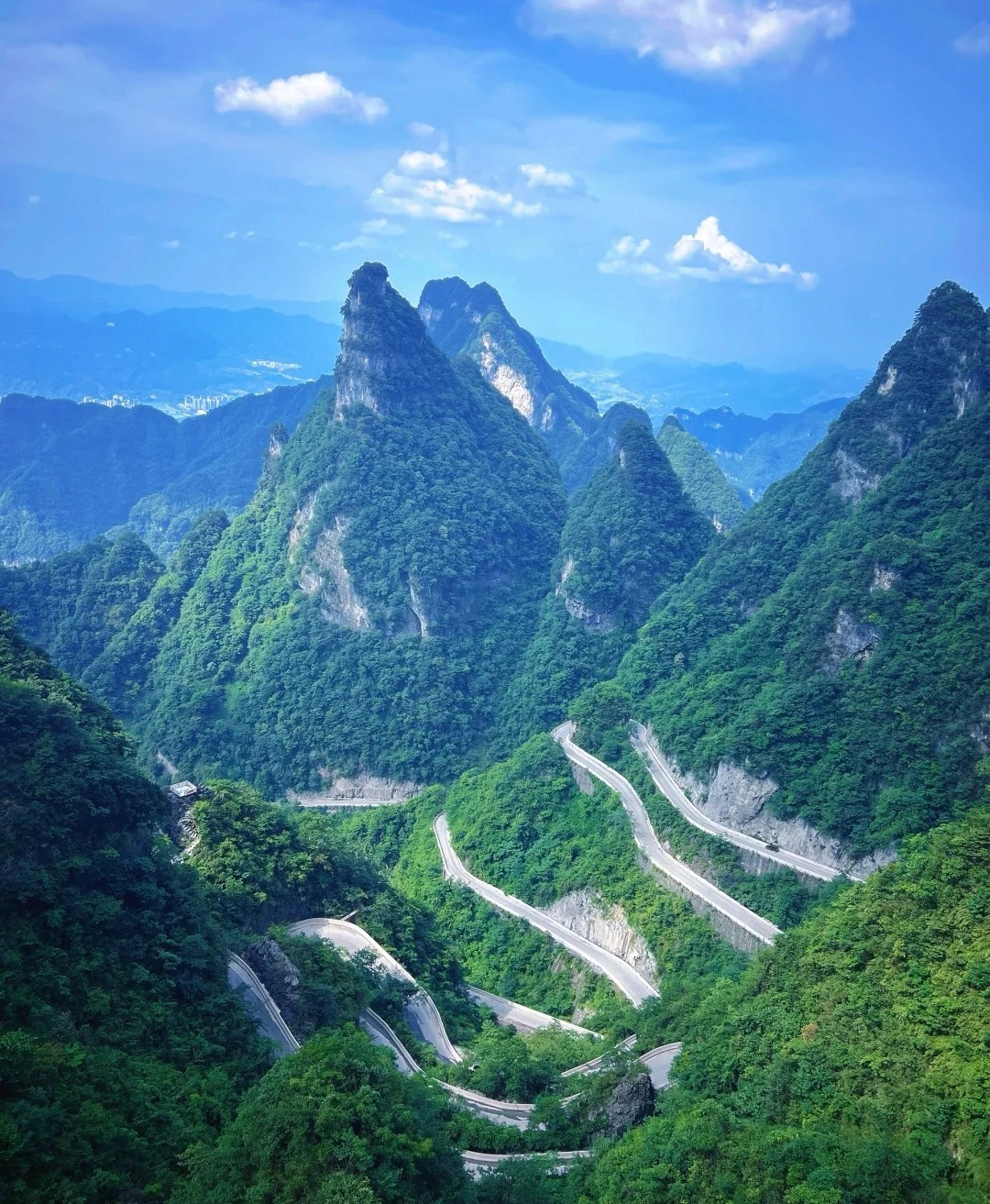
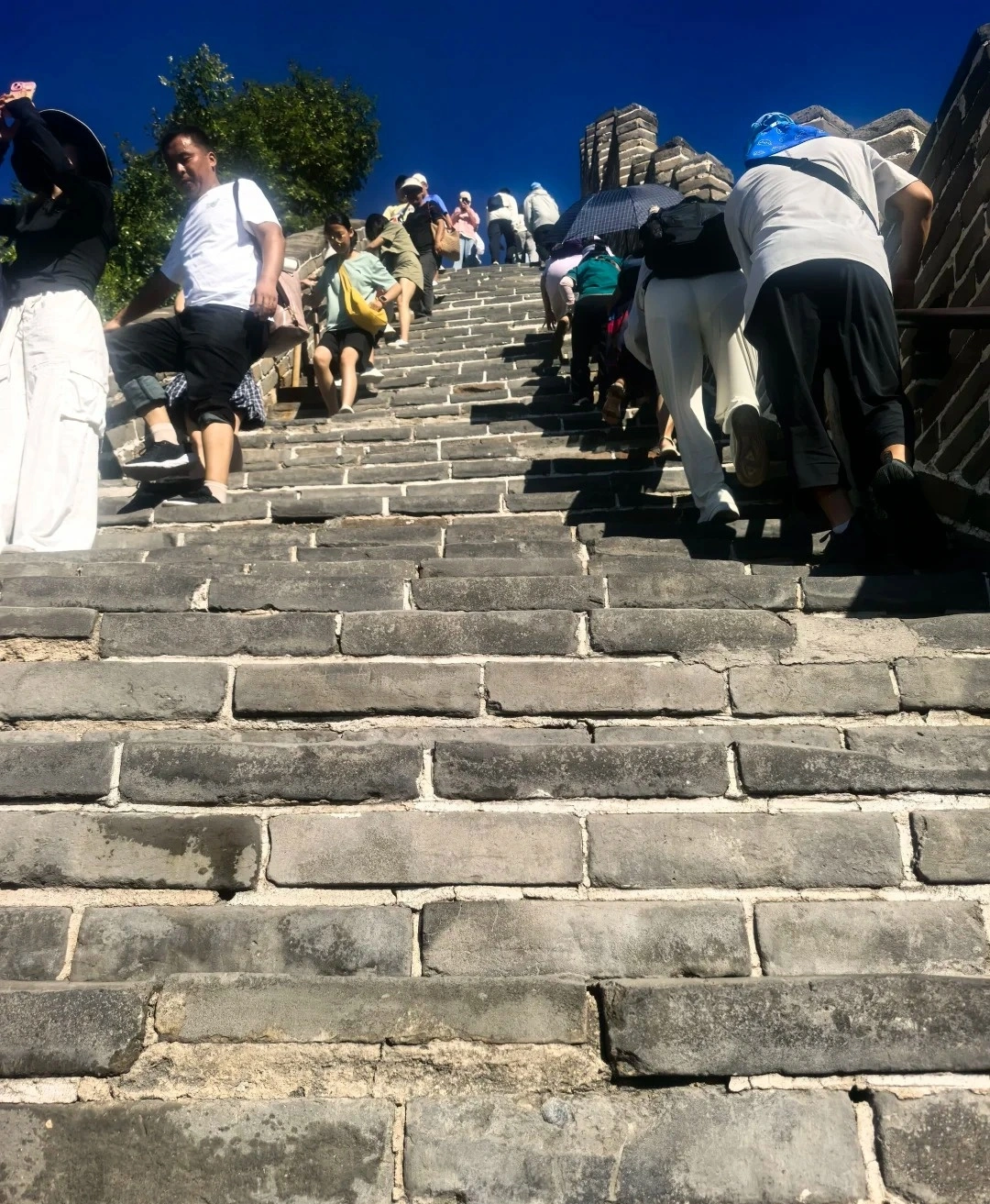
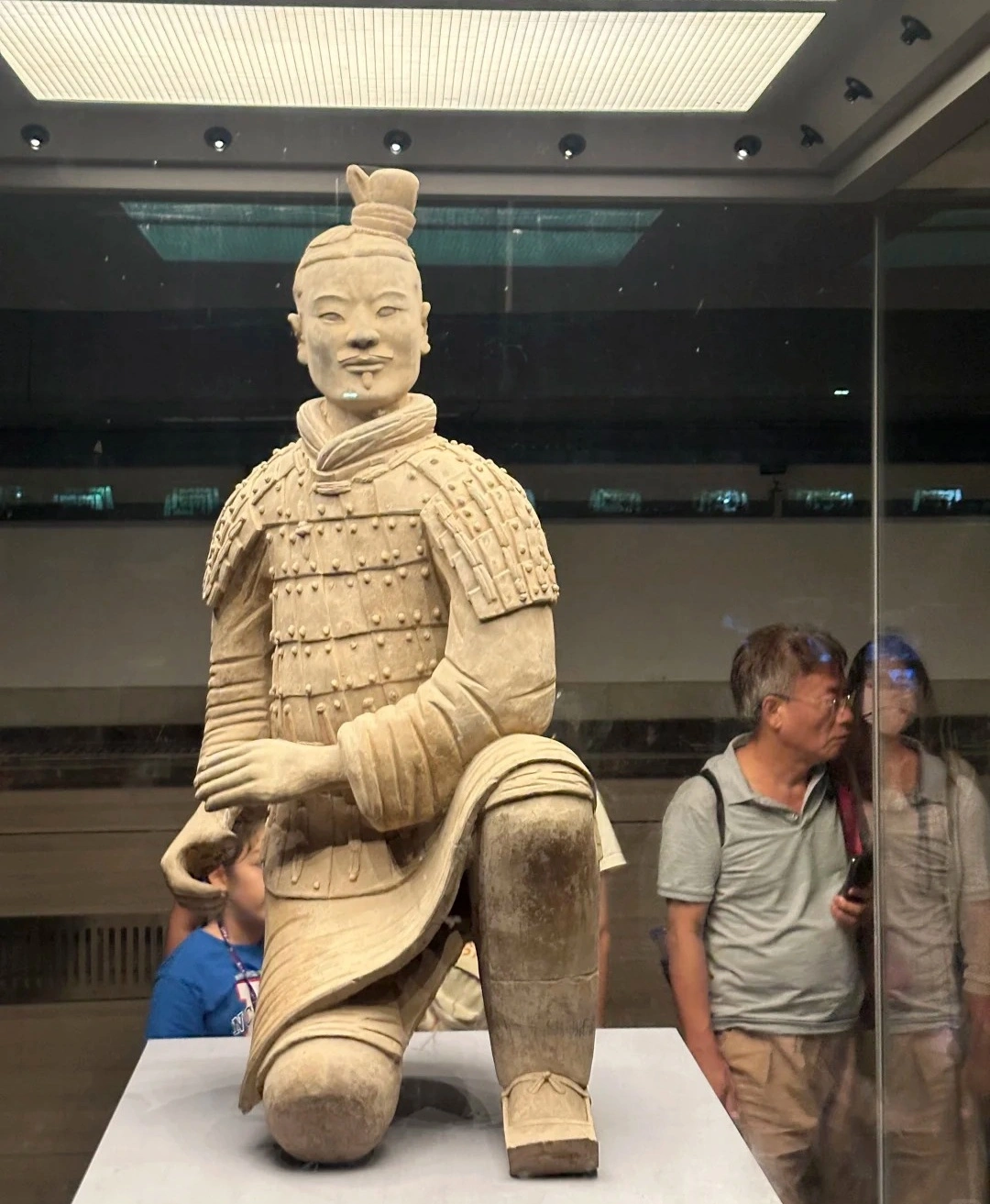
As a solo traveler from Canada, I was nervous about navigating China alone—but this 11-day tour was PERFECT! From hiking the Great Wall at sunrise (Day 3) to gasping at the Terracotta Army (Day 5), every day delivered ‘pinch-me’ moments. The real showstopper? Zhangjiajie’s Avatar Mountains (Day 7)! Our guide made the stone pillars come alive with stories.
Massive thanks for handling all logistics—bullet train tickets, entry passes, car! And the 4-star hotels surprised me.
Destination(s):
Beijing Xian Zhangjiajie Shanghai
Date of
Experience:
June 02,2025

Simon
America
Reviewed on May 29,2025
Our 2-day Zhangjiajie tour was beyond spectacular! As someone who’s visited Beijing and Shanghai for work, this trip revealed China’s wild, magical heart. Day 1 in Zhangjiajie National Forest Park felt like stepping onto Pandora—I’m a huge Avatar fan, and Yuanjiajie’s floating peaks left me breathless. The misty pillars and lush valleys like pure movie magic!
Then came Fenghuang Ancient Town, we eat dinner beside the thundering waterfall. It seems Unreal! The night views of stilt houses glowing over the river were straight from a fairy tale.
For fellow Avatar lovers and adventure seekers: Don’t miss this bucket-list experience! 10/10 would return.
A Well-Traveled Film Buff, May 2025
Destination(s):
Zhangjiajie
Date of
Experience:
May 08,2025