
Shamian Island Guangzhou: A Stroll Through History's Colonial Architecture
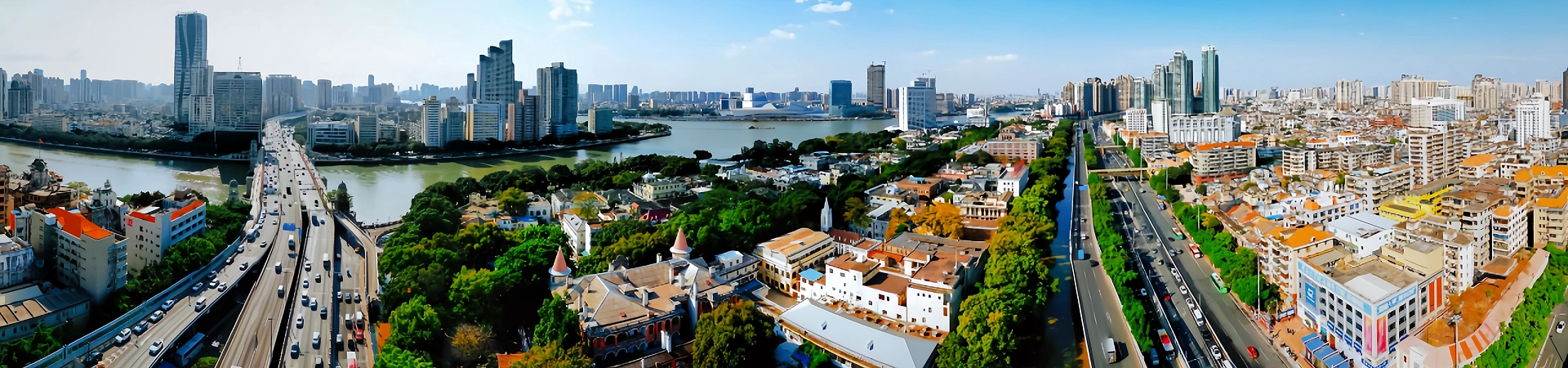
Shamian Island in Guangzhou preserves a unique cluster of colonial buildings that serve as a tangible echo of the city’s 19th-century international trade era. Once a foreign concession, this sandy islet now stands as a serene museum of European architectural styles within a modern Chinese metropolis. For travelers seeking a blend of history, culture, and photography, Shamian offers an unparalleled glimpse into the past.
Walking through the tree-lined avenues, the air feels different—cooler, quieter, and heavy with the scent of old brick and camphor trees. The island’s layout is a grid of pedestrian-friendly streets, free from the chaotic traffic of the mainland just across the bridge. Here, the dominant visual language is a mix of Neo-Classical, Baroque, and Gothic Revival styles, adapted for the subtropical climate.
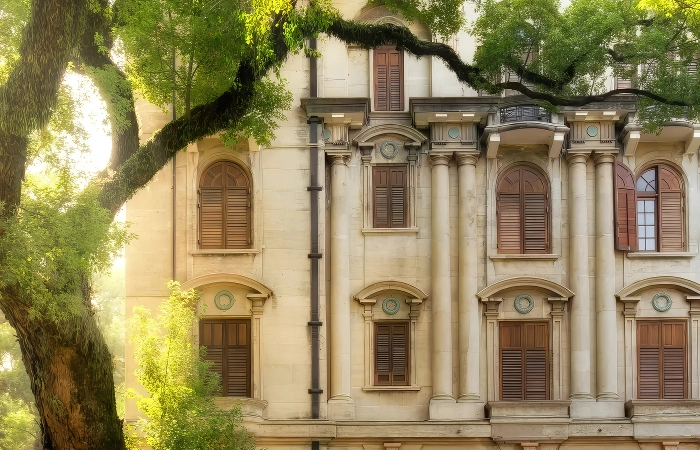
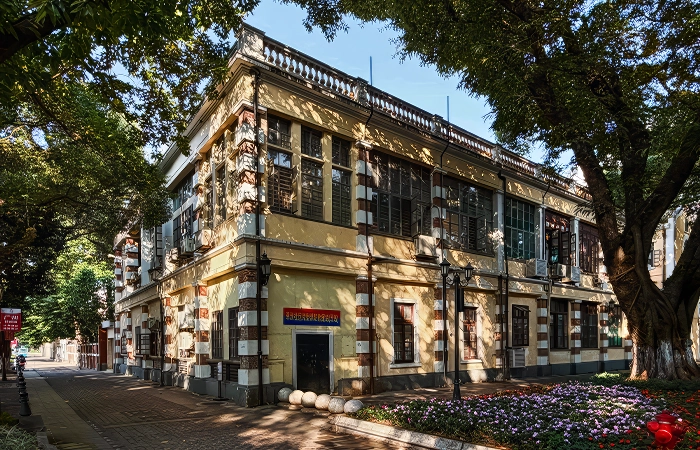
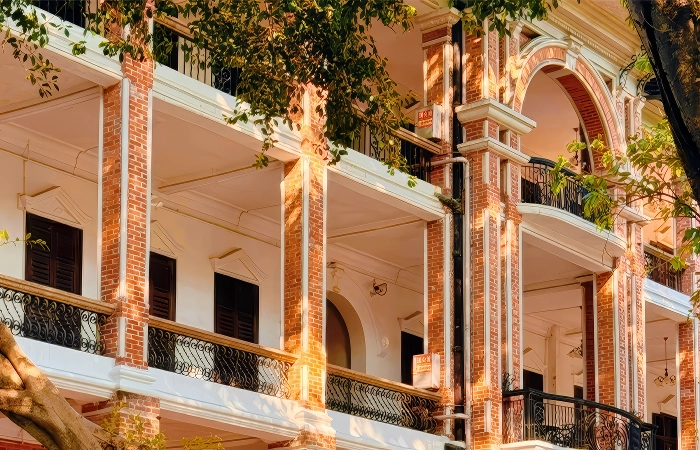
Unlike the towering skyscrapers of Guangzhou’s CBD, the structures here rarely exceed three stories. This low-rise horizon emphasizes the intricate details of the facades: Roman columns, arched verandas, and decorative cornices. Many buildings still bear the brass plaques of former trading companies, banks, and consulates, whispering stories of the past.
Exploring Shamian's Colonial Heritage: Architectural Highlights
The architectural diversity on the island is staggering. On the north side, near the riverside promenade, you will find structures that once housed British and French enterprises. The Guangzhou Catholic Church (Our Lady of Lourdes Chapel) stands out with its Gothic spires and stained glass, a stark contrast to the red-brick colonial mansions nearby.
Further inland, the Shamian Christian Church represents a more understated elegance. Built in a simplified Gothic style, it serves as a reminder of the missionary presence during the concession era. Nearby, the former HSBC Building and Customs House showcase the imposing symmetry of Neo-Classical architecture, designed to project power and stability.
For photography enthusiasts, the play of light and shadow is constant. The deep overhangs of the verandas create natural frames, while the bougainvillea vines climbing up stucco walls add splashes of violet and crimson. It is not just about the buildings; it is about the atmosphere of a bygone era frozen in time.
Living History: The Cultural Fusion of Shamian Island
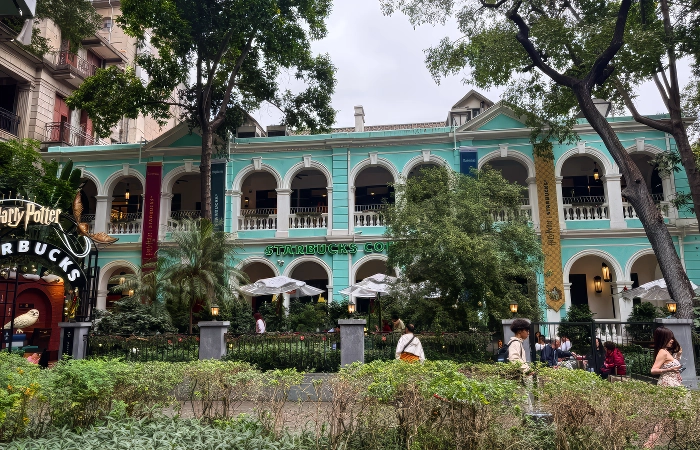
While the exteriors remain historically accurate, the interiors of many Shamian Island buildings have been repurposed in fascinating ways. This adaptive reuse keeps the history alive rather than turning it into a sterile museum exhibit. You might find a century-old mansion now housing a boutique hotel, where the high ceilings and wooden floorboards creak with every step.
Cafes and tea houses have taken over former trading floors. Sitting on a wrought-iron balcony, sipping a local tea while watching the Pearl River flow by, you experience the same view that merchants saw 150 years ago. This blend of old-world charm and modern leisure is what makes Shamian a top Guangzhou travel guide recommendation.
The island also reflects a unique cultural fusion. Western architectural forms were modified to suit Chinese living habits and the local climate. Wide corridors facilitated airflow, and the orientation of the buildings often aligned with Feng Shui principles, creating a hybrid style distinct to this region. This makes it a vital case study for anyone interested in historical architecture China.
Planning Your Visit to the Colonial Enclave
Getting to Shamian is effortless. It is located in the Liwan District, just a short walk from Cultural Park Station (Line 6) or Fangcun Station (Line 1). Because cars are restricted on the island, it is one of the most walkable photography spots Guangzhou has to offer.
The best time to visit is early morning or late afternoon. The "golden hour" light bathes the yellow and ochre facades in a warm glow, perfect for portraits. Avoid the midday sun, which can be harsh, and instead seek refuge in one of the shaded parks.
Wear comfortable shoes; the cobblestone paths and stone steps are uneven but charming. Don't miss the small details: the lion statues guarding doorways, the wooden shutters, and the wrought-iron railings. Each element tells a part of the larger narrative of Guangzhou as a global trading hub.
In summary, Shamian Island is more than just a collection of old buildings; it is a living testament to Guangzhou’s complex history. The colonial buildings here provide a rare, preserved snapshot of Sino-Western interaction. Whether you are an architecture buff, a history nerd, or a casual traveler looking for a peaceful escape, the island delivers a unique experience that bridges centuries. It remains an essential stop for anyone wanting to understand the layers that make up modern Guangzhou.


Contact Us
What Our Clients Say?
Based on 10,000+ traveler reviews

Daniel Dorothea
Canada
Reviewed on April 29,2025
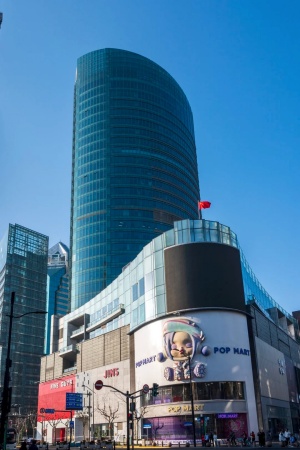
Shopping on Nanjing Road in Shanghai was just amazing! It's truly the "First Commercial Street of China", where tradition and modernity blend perfectly. You can find awesome souvenirs and experience the trendy vibes in cool stores. The neon lights at night are just spectacular, shining bright like Times Square in New York. The food here is incredible too. I had a feast for my taste buds. Shanghai, I'll definitely be back!
Destination(s):
Shanghai
Date of
Experience:
May 08,2024

Elvis Eva
Canada
Reviewed on June 20,2025
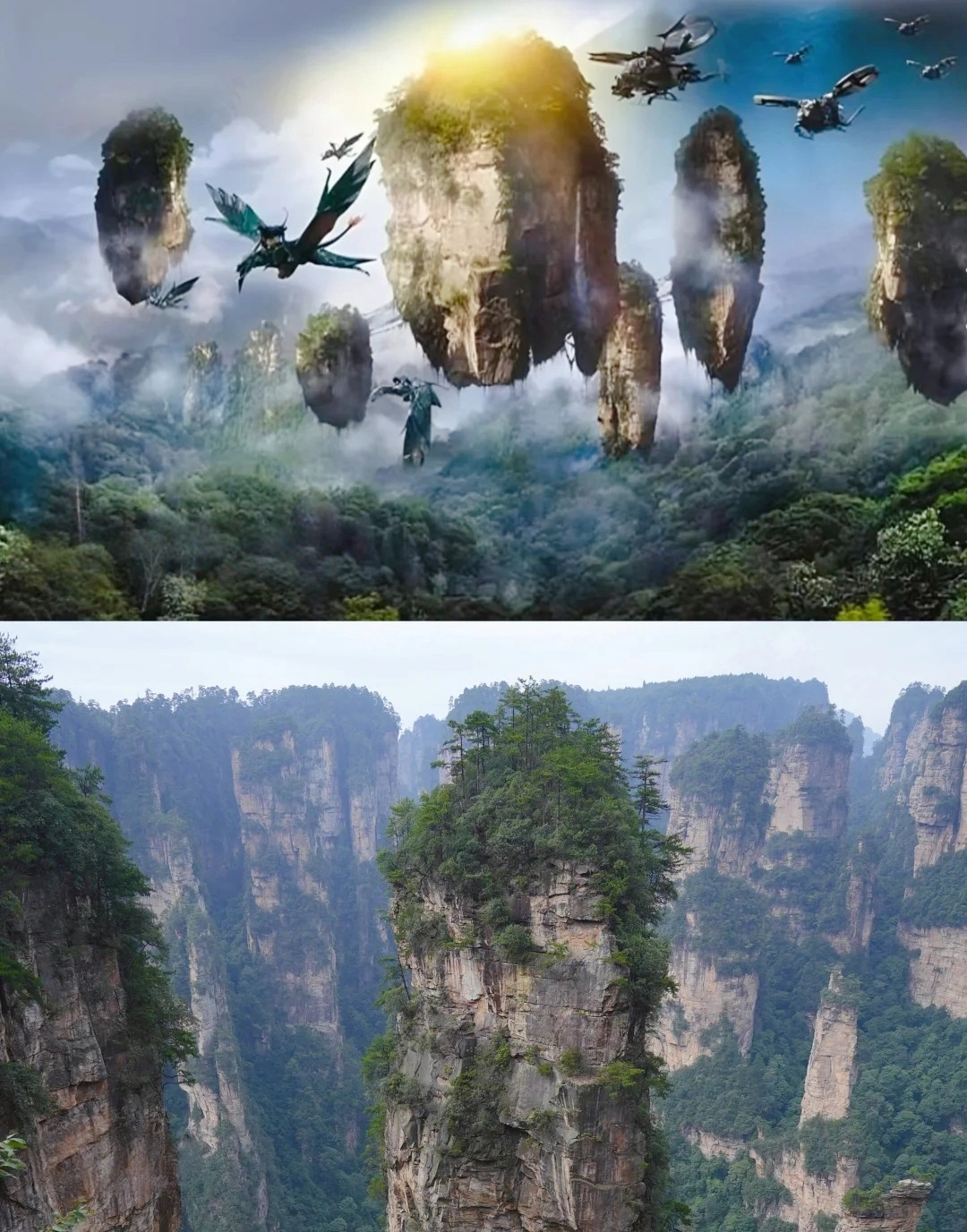
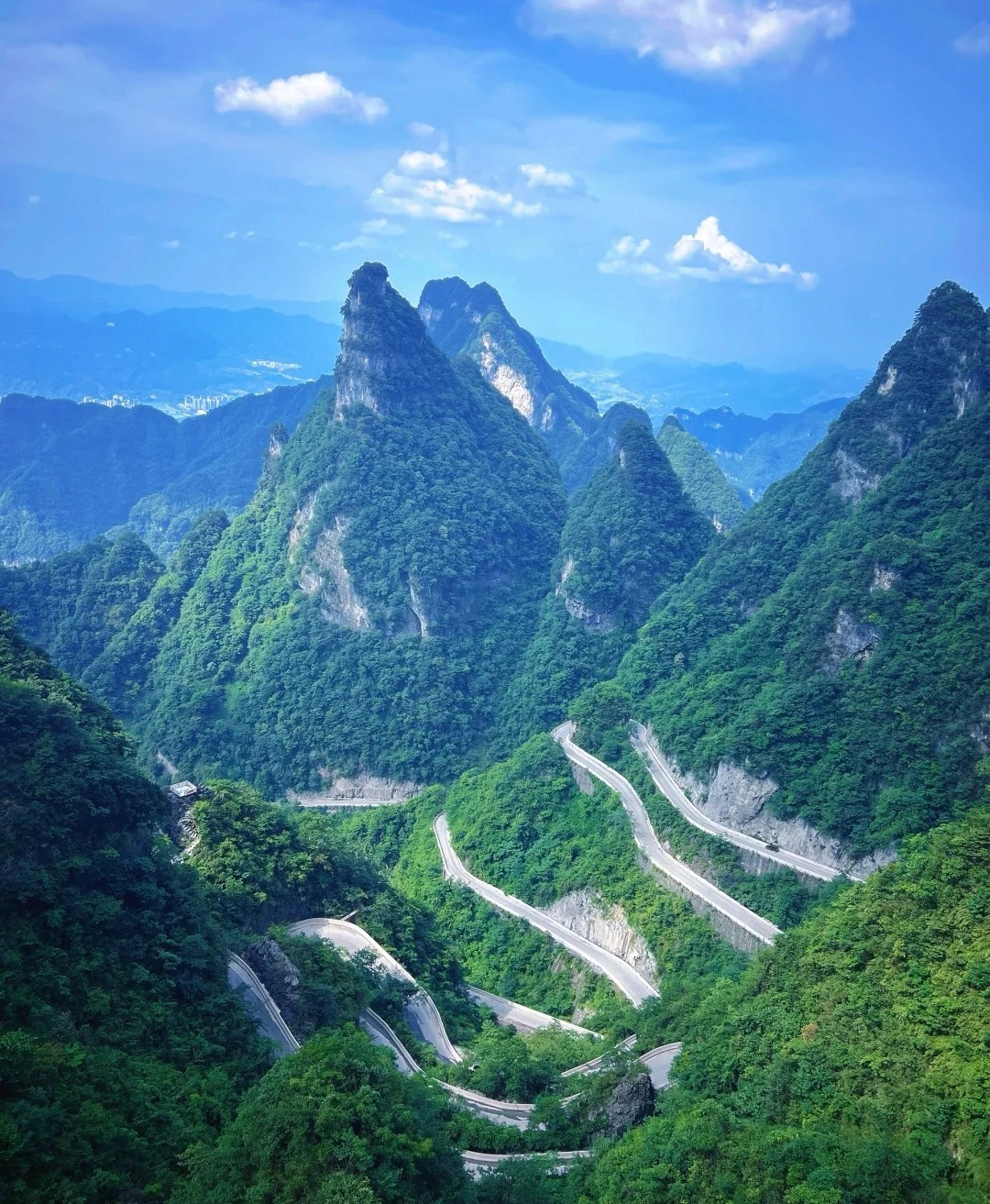
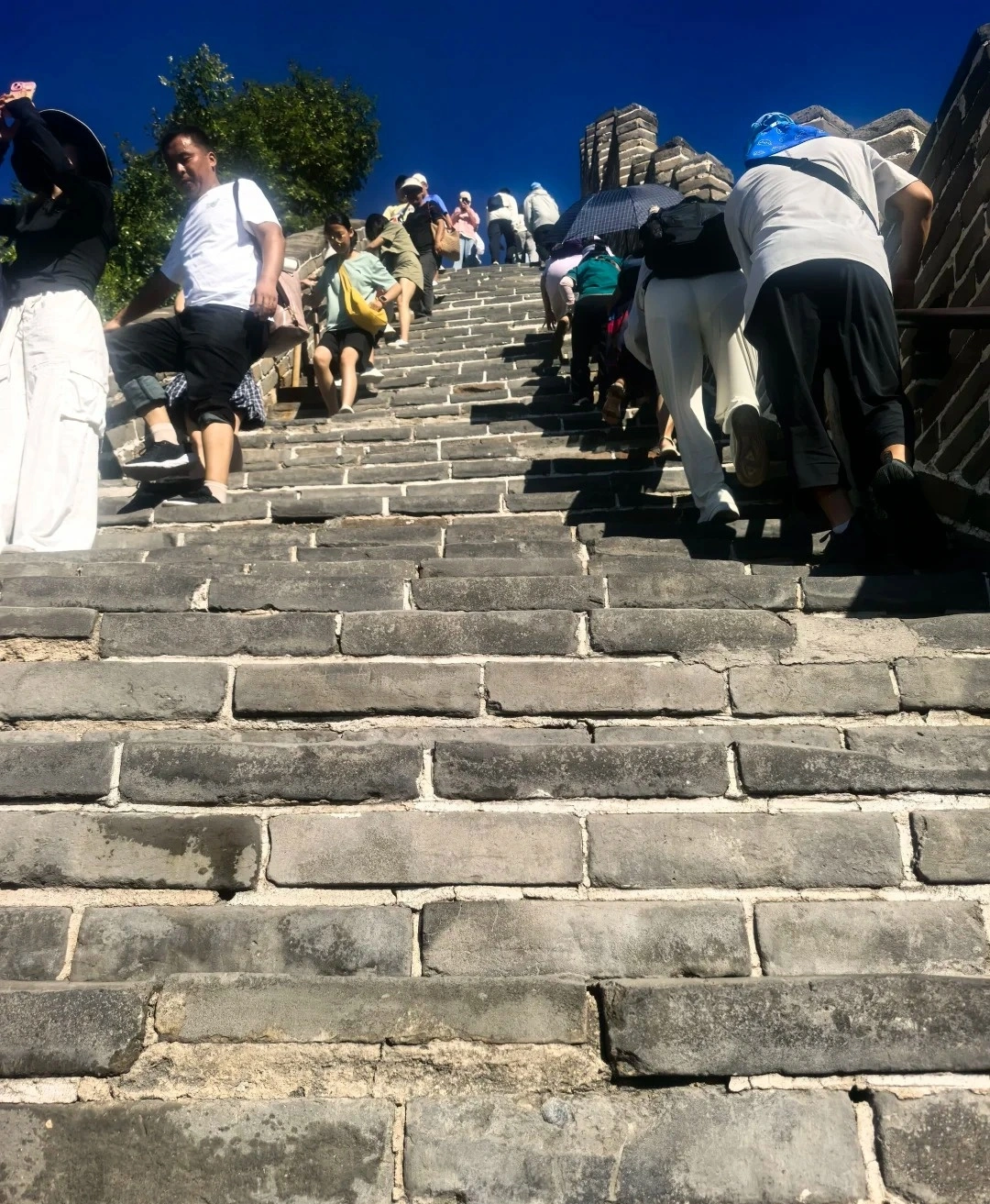
As a solo traveler from Canada, I was nervous about navigating China alone—but this 11-day tour was PERFECT! From hiking the Great Wall at sunrise (Day 3) to gasping at the Terracotta Army (Day 5), every day delivered ‘pinch-me’ moments. The real showstopper? Zhangjiajie’s Avatar Mountains (Day 7)! Our guide made the stone pillars come alive with stories.
Massive thanks for handling all logistics—bullet train tickets, entry passes, car! And the 4-star hotels surprised me.
Destination(s):
Beijing Xian Zhangjiajie Shanghai
Date of
Experience:
June 02,2025

Simon
America
Reviewed on May 29,2025
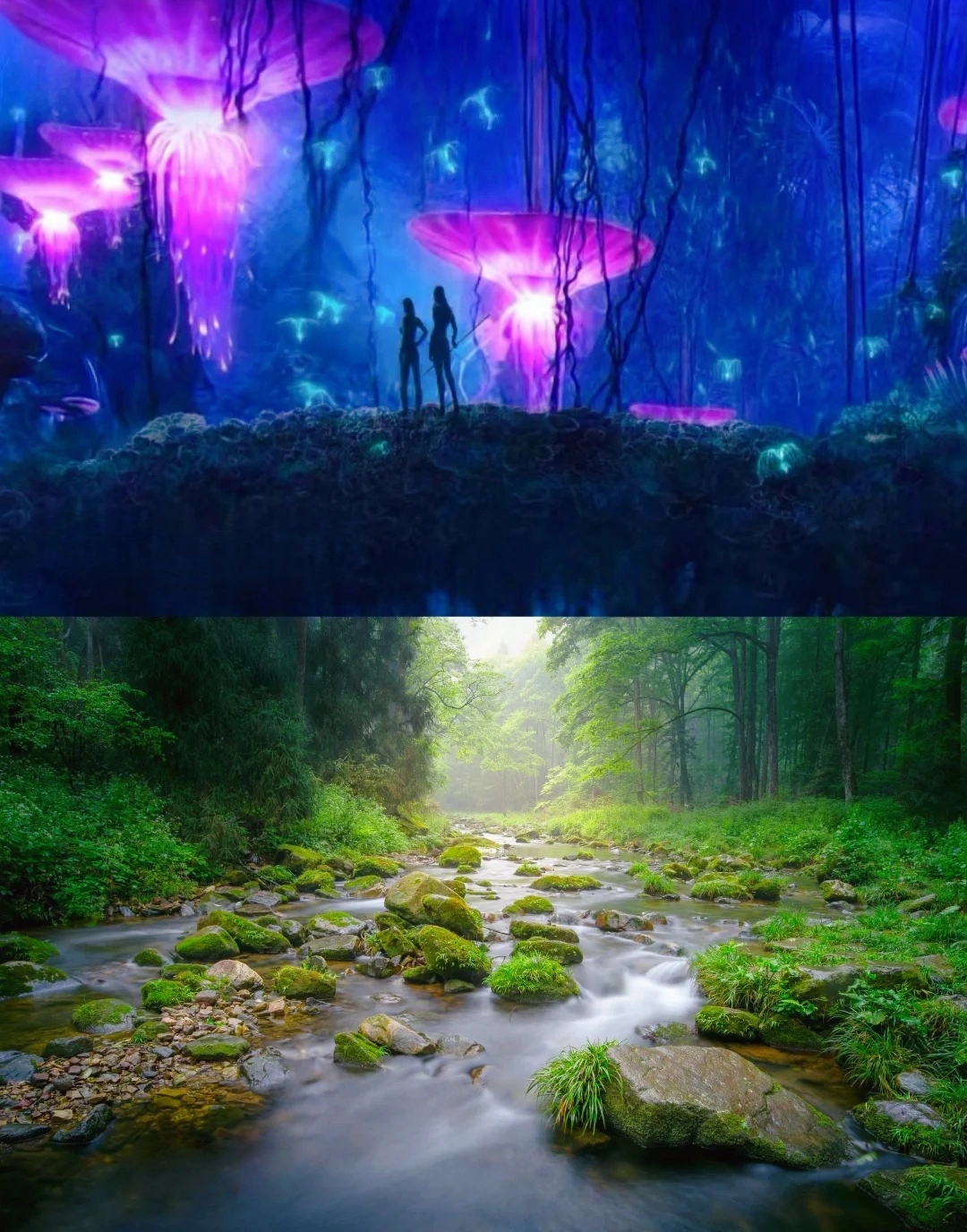
Our 2-day Zhangjiajie tour was beyond spectacular! As someone who’s visited Beijing and Shanghai for work, this trip revealed China’s wild, magical heart. Day 1 in Zhangjiajie National Forest Park felt like stepping onto Pandora—I’m a huge Avatar fan, and Yuanjiajie’s floating peaks left me breathless. The misty pillars and lush valleys like pure movie magic!
Then came Fenghuang Ancient Town, we eat dinner beside the thundering waterfall. It seems Unreal! The night views of stilt houses glowing over the river were straight from a fairy tale.
For fellow Avatar lovers and adventure seekers: Don’t miss this bucket-list experience! 10/10 would return.
A Well-Traveled Film Buff, May 2025
Destination(s):
Zhangjiajie
Date of
Experience:
May 08,2025