
Guangzhou Dafo Temple: A Historic Buddhist Gem in the Heart of the City
When exploring the vibrant metropolis of Guangzhou, travelers often seek a break from the neon-lit skyscrapers and bustling shopping districts. Hidden among the modern high-rises of Beijing Road lies a sanctuary of tranquility that has stood for centuries: the Guangzhou Dafo Temple (Guangzhou Grand Buddha Temple).
More than just a religious site, this temple is a living museum of history, art, and culture. If you are planning a trip to Southern China, understanding the significance of this site is essential for a deep Guangzhou travel guide experience.
A Glimpse into History: The Origins of Dafo Temple
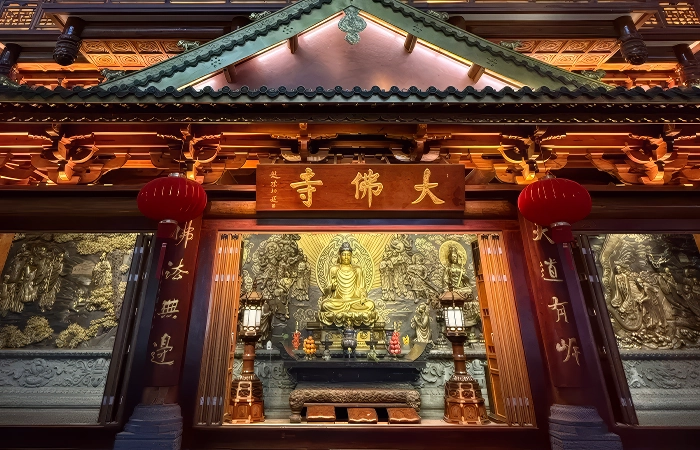
The story of Dafo Temple dates back to 1663 during the Qing Dynasty. Originally known as "Hongfa Chan Temple," it was built by the first governor of Guangdong and Guangxi to promote Buddhism in the region. Over the centuries, the temple has seen destruction and reconstruction, mirroring the turbulent history of the city itself.
What makes the history of Guangzhou Dafo Temple unique is its resilience. While many historical relics were lost during the cultural shifts of the 20th century, the temple was revitalized in the 1990s. Today, it stands not as a ruin, but as a thriving center for Buddhist practice and a major tourist destination. The name "Dafo" literally translates to "Grand Buddha," a fitting title for a temple housing some of the largest Buddhist statues in the province.
Architectural Marvel: The Lingnan Style
The architecture of Dafo Temple is a textbook example of the Lingnan style—a regional architectural tradition that blends traditional Chinese aesthetics with practical adaptations for the humid southern climate.
The Grand Hall and Copper Statues
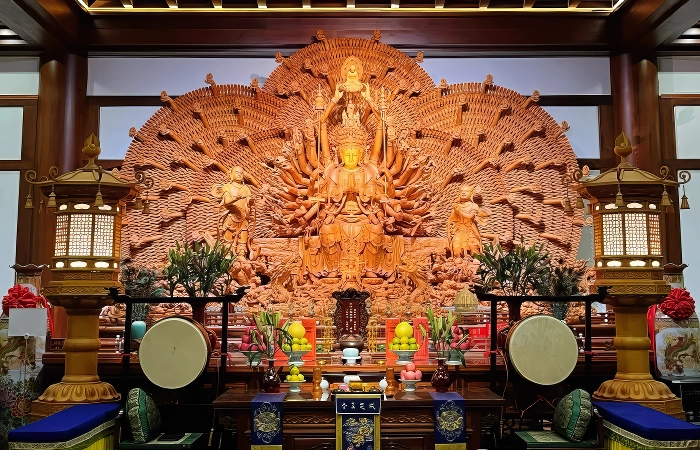
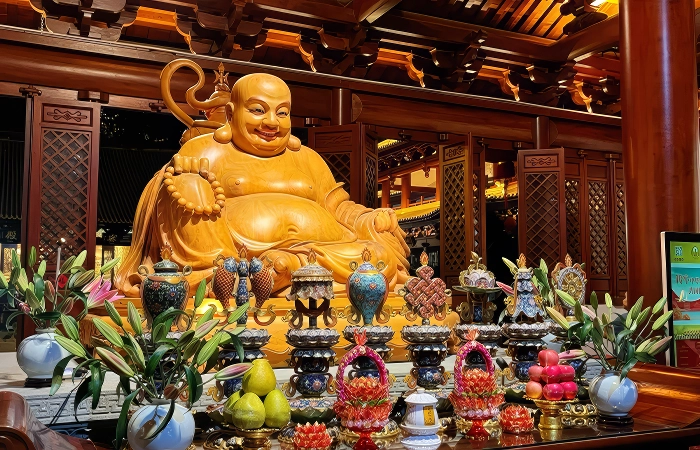
The centerpiece of the complex is the Grand Hall (Daxiong Baodian). Unlike many temples that use wood or clay, the hall houses three massive statues cast from bronze: the Buddha of the Past, the Buddha of the Present, and the Buddha of the Future. Each statue weighs over 10 tons and stands more than 6 meters high. The craftsmanship is intricate, with detailed carvings on the lotus pedestals that showcase the high level of artistry from the Qing Dynasty era.
The Nighttime Spectacle
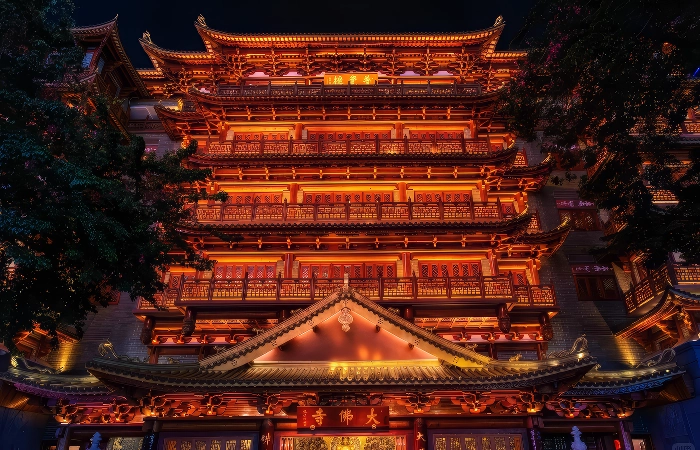
One of the most searched terms associated with the temple is Guangzhou night view. During the evening, the temple transforms. Strategic lighting highlights the traditional wooden beams and the golden hues of the statues against the dark sky. It creates a stark, beautiful contrast to the modern LED screens of the surrounding commercial district. For photographers, this is a prime spot to capture the fusion of ancient spirituality and modern urbanization.
Cultural Experience: More Than Just Sightseeing
For international visitors, Dafo Temple offers an immersive look into Buddhist culture in China. It is an active monastery, meaning you are likely to encounter monks chanting scriptures or locals burning incense.
The Library of Buddhist Texts
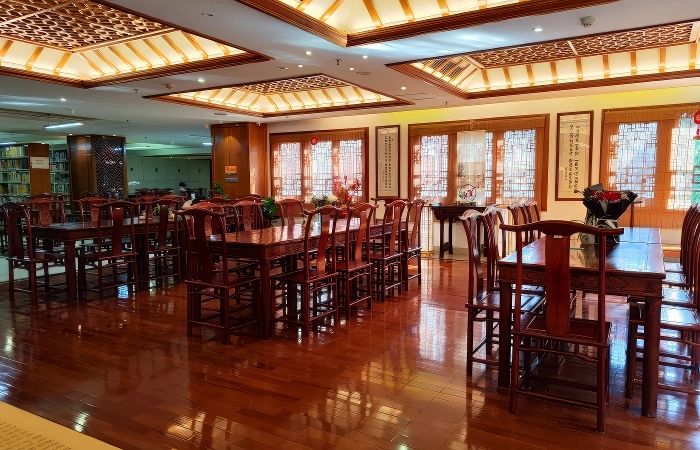
Located on the upper floors, the temple houses a impressive library of Buddhist sutras. It is a quiet, air-conditioned space where you can observe the preservation of ancient texts. It is a rare opportunity to see how religious knowledge has been archived in China for centuries.
Vegetarian Dining
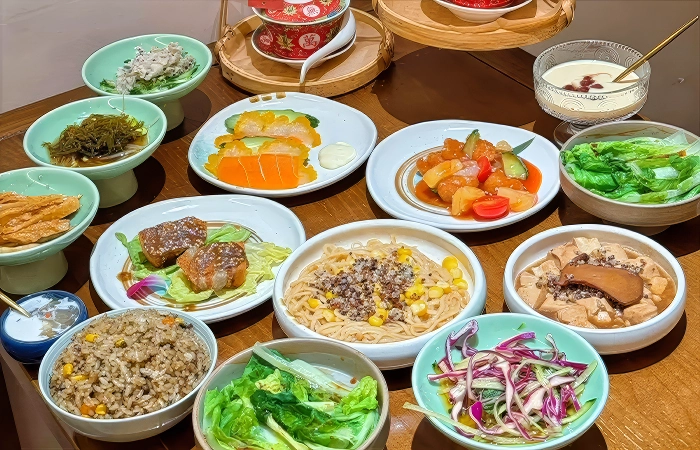
A visit to the temple is incomplete without trying the vegetarian cuisine. On the lower levels, there is a restaurant offering traditional Buddhist vegetarian food (Lu Zhai). The dishes mimic the taste and texture of meat but are made entirely from plant-based ingredients like tofu, gluten, and mushrooms. It is a healthy and ethical dining experience that aligns with the temple’s philosophy of compassion.
Meditation and Zen
If you are looking for mental clarity, the temple occasionally offers meditation sessions or opportunities to practice calligraphy. It serves as an "oasis of tranquility" in a city known for its fast pace. Sitting in the courtyard, listening to the wind chimes, offers a moment of genuine peace.
Visiting Guide: Practical Information for Travelers
To make the most of your visit to this top-tier Guangzhou attraction, here is what you need to know.
Location and Accessibility
The temple is incredibly convenient to reach. It is located at 163 Hui Fu East Road, Yuexiu District.
- By Metro: Take Line 1 or Line 2 to "Gongyuanqian" Station.
- By Metro: Take Line 6 to "Beijing Road" Station.
From either station, it is a short walk to the entrance, which is marked by a traditional archway.
Opening Hours and Admission
- Hours: The temple is generally open from 8:30 AM to 8:30 PM. However, the main halls may close slightly earlier in the evening.
- Tickets: Entrance is free. You do not need to purchase a ticket, but you may need to scan a QR code for entry registration upon arrival.
- Dress Code: While there is no strict enforcement, modest clothing is respected. Avoid sleeveless tops or very short shorts when visiting the main prayer halls.
Best Time to Visit
- Weekdays: Visit in the morning (9:00 AM - 11:00 AM) to avoid crowds and witness the local elderly practicing Tai Chi or praying.
- Weekends/Holidays: If you want to see the lights, visit between 6:00 PM and 8:00 PM.
Why Dafo Temple is a Must-See
In a city defined by The Canton Tower and the Pearl River, Guangzhou Dafo Temple offers a different kind of connection to the city's soul. It represents the continuity of tradition.
Whether you are a history buff, a photography enthusiast, or a spiritual seeker, the temple provides a multi-layered experience. It allows you to step out of the "concrete jungle" and into a space where time seems to slow down. When compiling your list of Guangzhou attractions, ensure this historic gem is near the top. It is not just a building; it is the spiritual heartbeat of old Guangzhou.


Contact Us
What Our Clients Say?
Based on 10,000+ traveler reviews

Daniel Dorothea
Canada
Reviewed on April 29,2025
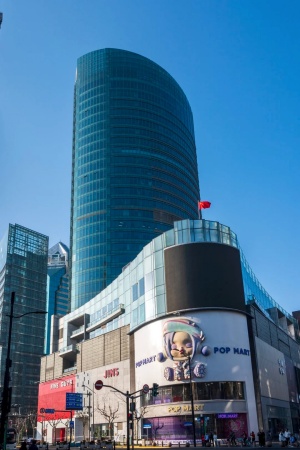
Shopping on Nanjing Road in Shanghai was just amazing! It's truly the "First Commercial Street of China", where tradition and modernity blend perfectly. You can find awesome souvenirs and experience the trendy vibes in cool stores. The neon lights at night are just spectacular, shining bright like Times Square in New York. The food here is incredible too. I had a feast for my taste buds. Shanghai, I'll definitely be back!
Destination(s):
Shanghai
Date of
Experience:
May 08,2024

Elvis Eva
Canada
Reviewed on June 20,2025
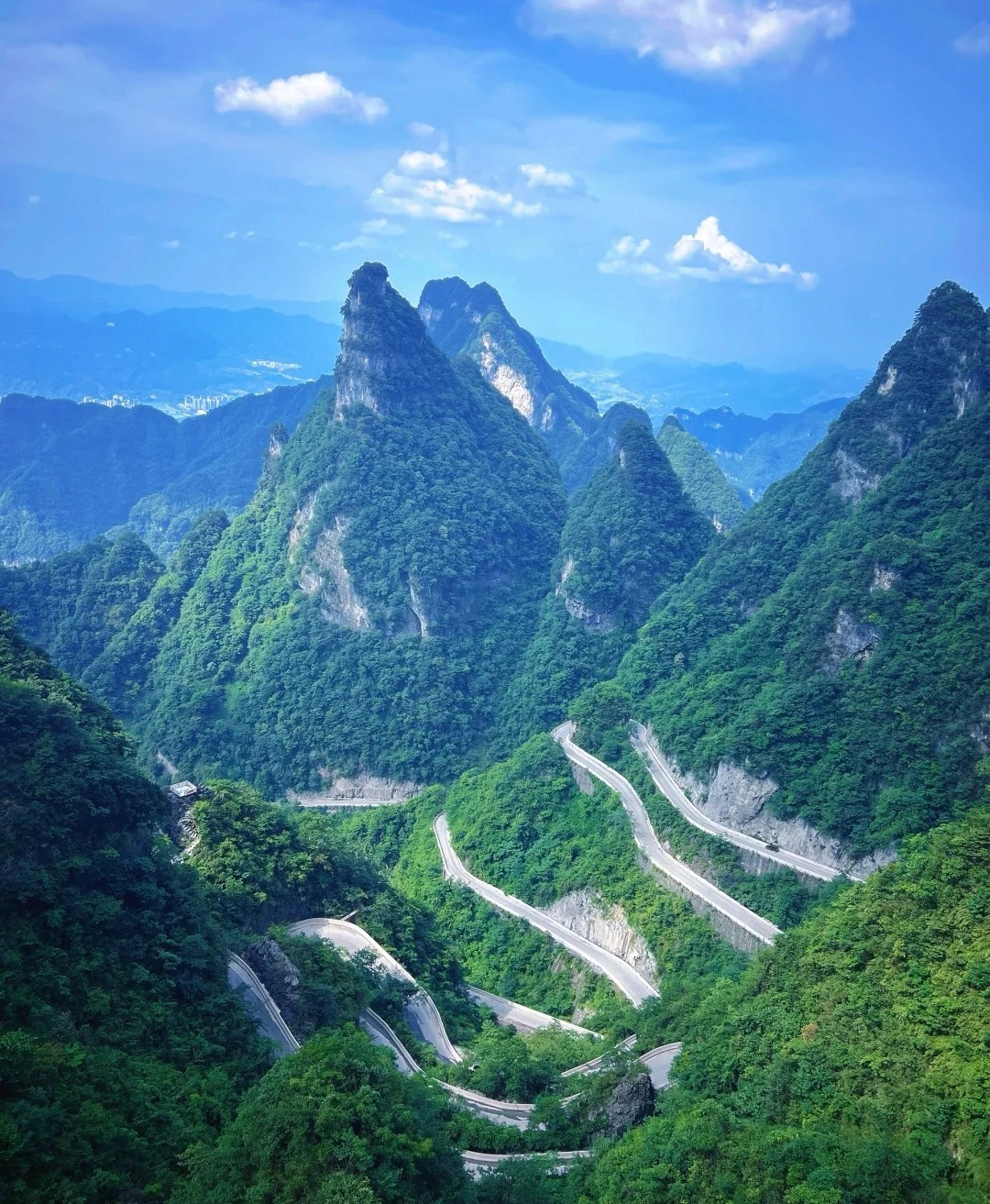
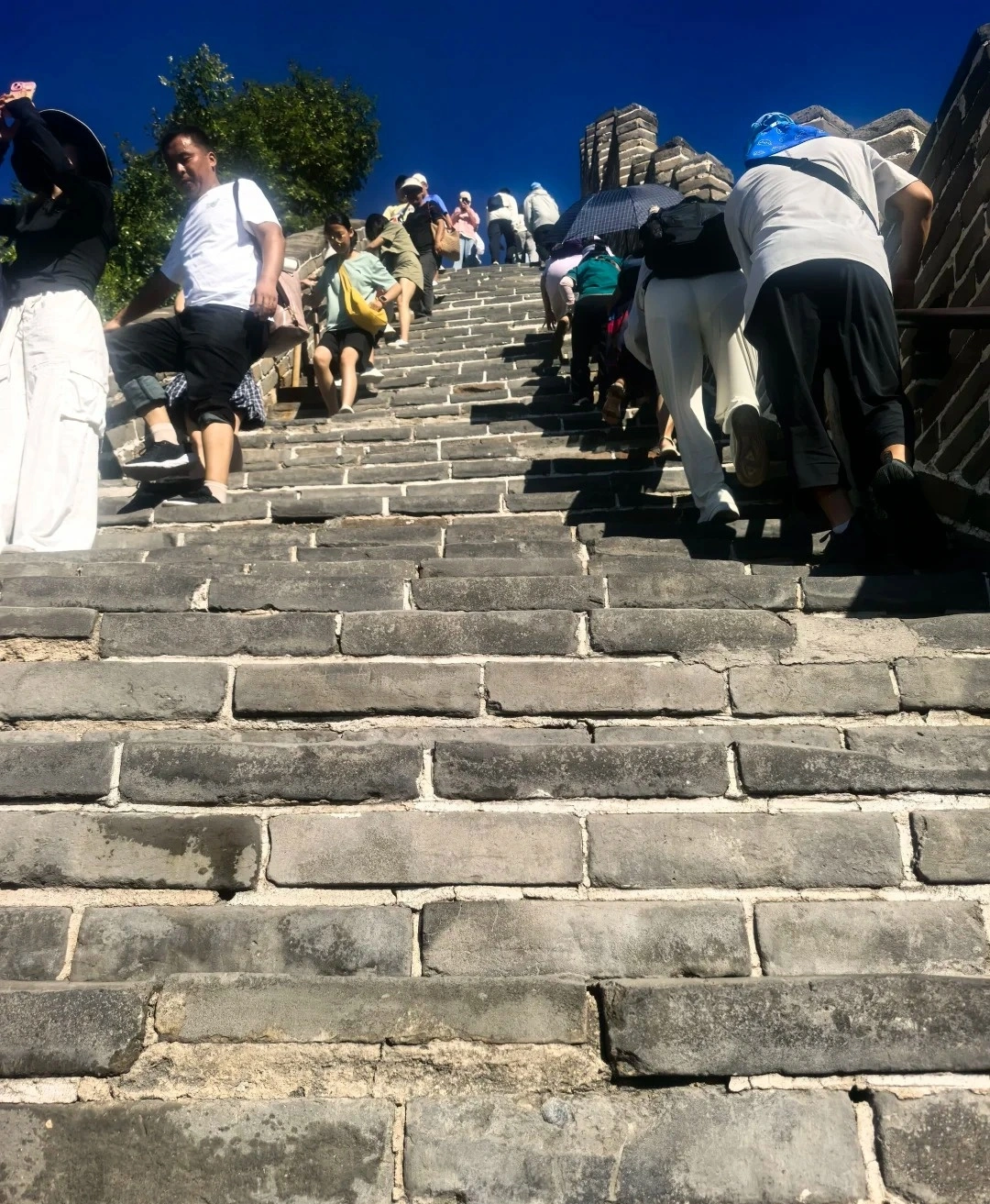
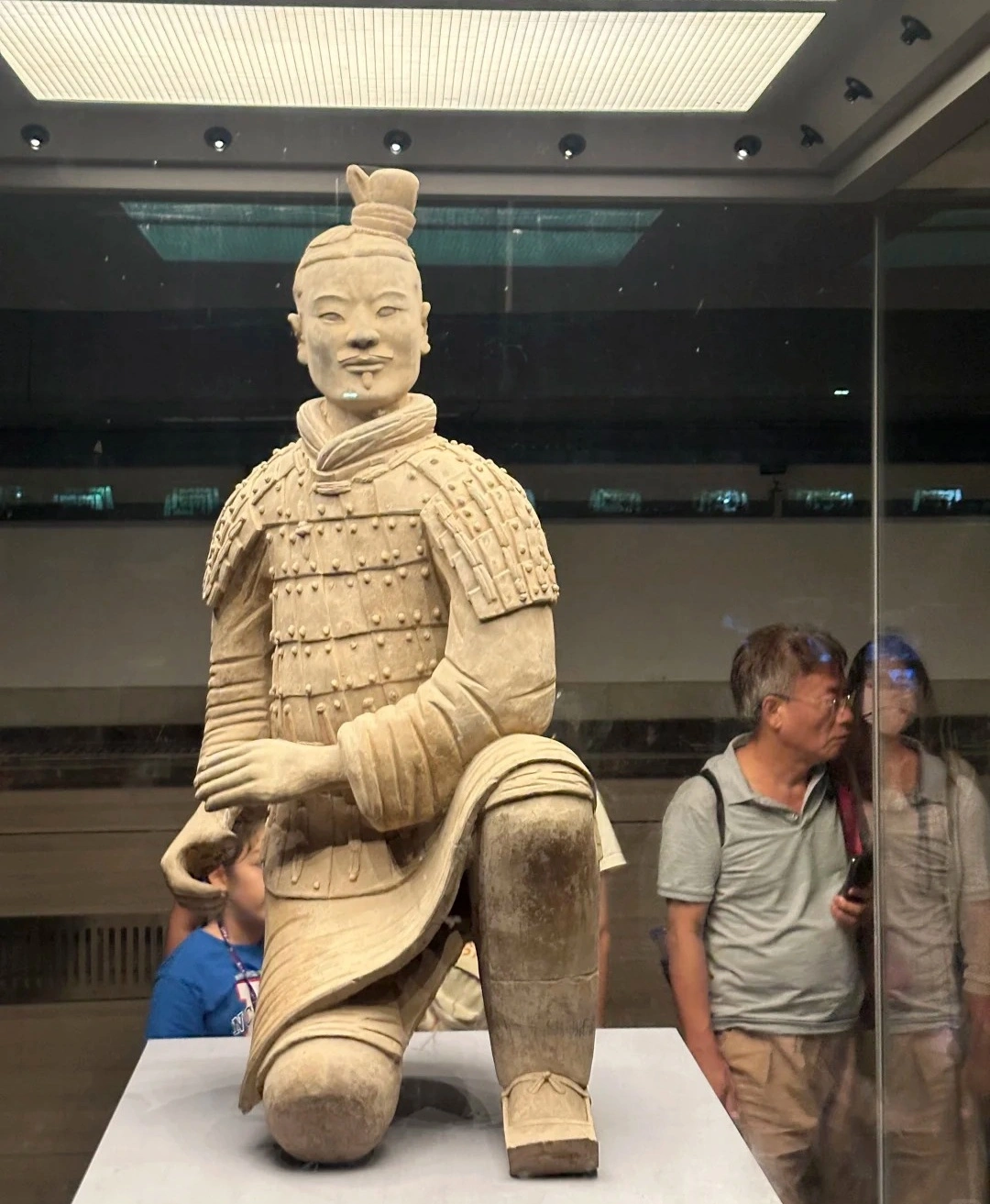
As a solo traveler from Canada, I was nervous about navigating China alone—but this 11-day tour was PERFECT! From hiking the Great Wall at sunrise (Day 3) to gasping at the Terracotta Army (Day 5), every day delivered ‘pinch-me’ moments. The real showstopper? Zhangjiajie’s Avatar Mountains (Day 7)! Our guide made the stone pillars come alive with stories.
Massive thanks for handling all logistics—bullet train tickets, entry passes, car! And the 4-star hotels surprised me.
Destination(s):
Beijing Xian Zhangjiajie Shanghai
Date of
Experience:
June 02,2025

Simon
America
Reviewed on May 29,2025
Our 2-day Zhangjiajie tour was beyond spectacular! As someone who’s visited Beijing and Shanghai for work, this trip revealed China’s wild, magical heart. Day 1 in Zhangjiajie National Forest Park felt like stepping onto Pandora—I’m a huge Avatar fan, and Yuanjiajie’s floating peaks left me breathless. The misty pillars and lush valleys like pure movie magic!
Then came Fenghuang Ancient Town, we eat dinner beside the thundering waterfall. It seems Unreal! The night views of stilt houses glowing over the river were straight from a fairy tale.
For fellow Avatar lovers and adventure seekers: Don’t miss this bucket-list experience! 10/10 would return.
A Well-Traveled Film Buff, May 2025
Destination(s):
Zhangjiajie
Date of
Experience:
May 08,2025