
Millennium Yao Village in Qingyuan: A Journey Through Time and Culture
Nestled in the misty mountains of Liannan County, Guangdong Province, lies a hidden gem that offers a rare glimpse into the ancient traditions of the Yao Ethnic Minority. Known as the Millennium Yao Village (Qian Nian Yao Zhai), this historic settlement is not just a tourist attraction; it is a living museum of cultural heritage. For travelers seeking authentic experiences beyond the typical cityscapes of China, this village represents a profound connection to the past.
Unveiling the History: The Oldest Yao Settlement
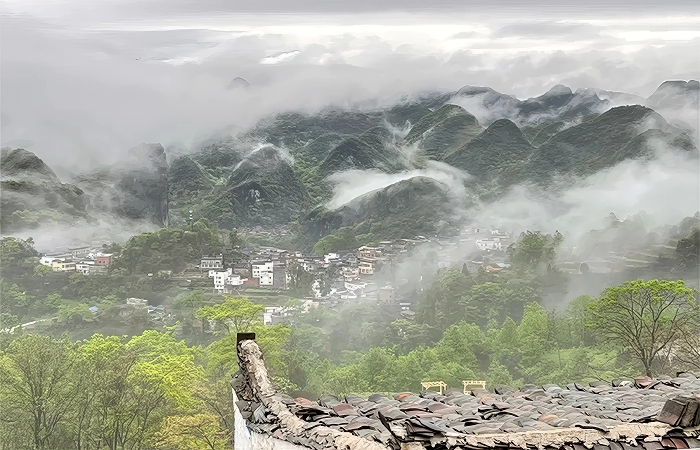
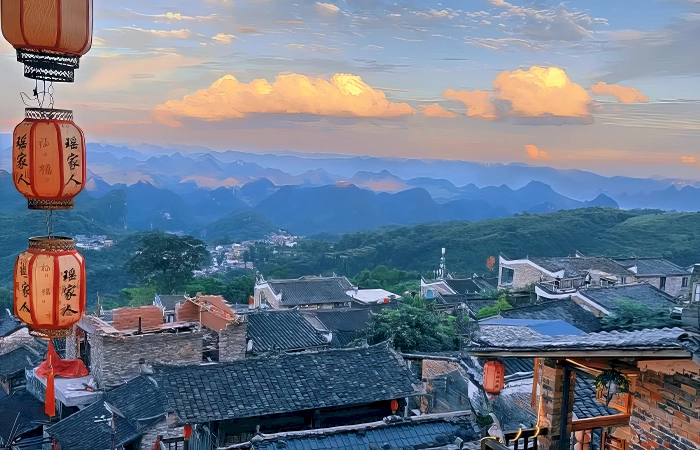
The Millennium Yao Village boasts a history spanning over a thousand years. As the largest and most ancient Yao settlement in China, it serves as the cultural capital for the Yao people in Guangdong. The village is strategically built on a hillside facing west, surrounded by lush bamboo forests and terraced fields. Unlike modern tourist replicas, this place has preserved its original layout, with more than 300 traditional stilt houses clustered together.
Walking through the stone-paved alleys, you can feel the weight of history. The village was established during the Song Dynasty and has remained a stronghold of Yao culture despite the passage of time. It is a place where the legend of King Pan (Pan Wang) is still revered, and the spirit of the ancestors is felt in every corner.
Architectural Wonders: Stilted Houses and Stone Paths
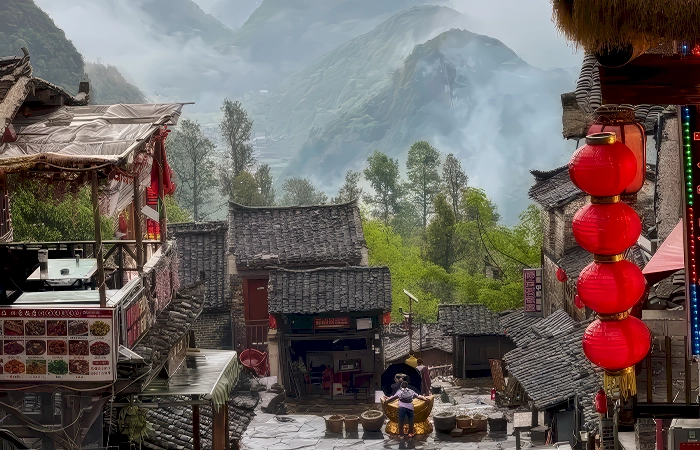
One of the most striking features of the Qingyuan Millennium Yao Village is its unique architecture. The houses are built using a combination of wood, bamboo, and stone, raised on stilts to protect against moisture and wild animals. This "diaojiaolou" style is a masterpiece of vernacular architecture, perfectly adapted to the humid mountain climate.
The village layout is a defensive masterpiece. The houses are arranged in clusters, with narrow winding paths connecting them. These paths are paved with bluestone, which remains cool even in the hot summer months. As you wander through these ancient corridors, look up to see the intricate wood carvings on the eaves and doors—details that showcase the craftsmanship of the Yao ancestors.
Cultural Immersion: The Yao Ethnic Minority Lifestyle
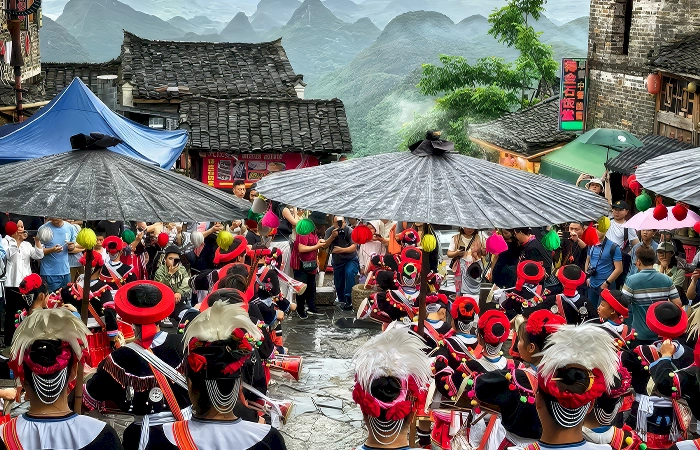
The true charm of the village lies in its people. The Yao ethnic minority is known for its vibrant clothing, distinct language, and warm hospitality. In the Millennium Yao Village, you will see women wearing traditional embroidered garments with red tassels and silver jewelry. Their long hair, often tied in unique buns, is a symbol of beauty and heritage.
Visitors have the opportunity to interact with the locals. Many families run small guesthouses or workshops where they demonstrate traditional embroidery and wax dyeing techniques. It is highly recommended to participate in a workshop to understand the labor-intensive process behind their stunning textiles. This is not just a performance; it is a daily life that has been passed down from mother to daughter for generations.
Festivals and Rituals: The Soul of the Village
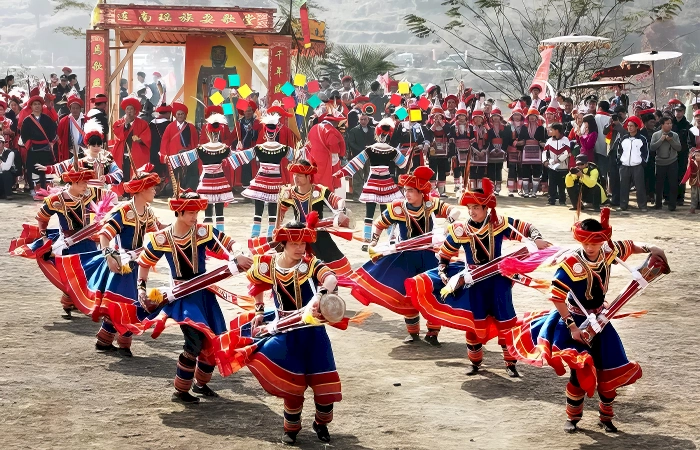
If you visit during the right season, you might witness the Pan Wang Festival (Pan Wang Jie), the most important celebration for the Yao people. Held annually, usually after the harvest, this festival involves grand ceremonies, long-drum dances (Chang Gu Wu), and singing antiphonal songs.
The long-drum dance is a visual spectacle. Dancers beat drums while performing complex movements, mimicking the actions of farming and hunting. The rhythm is hypnotic, and the energy is contagious. Even if you visit outside of the festival season, the village often hosts evening bonfire parties where tourists can join hands with the locals in a circle dance, creating an unforgettable memory of cultural unity.
Photography and Scenic Views
For photographers, the Millennium Yao Village is a paradise. The best time to visit is early in the morning when the mountain mist creates a mystical atmosphere around the stilted houses. The "Sunrise over the Yao Village" is a classic shot that captures the silhouette of the houses against the golden sky.
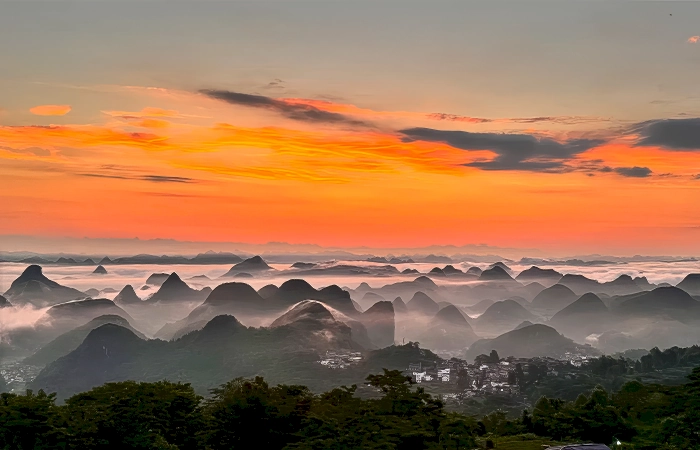
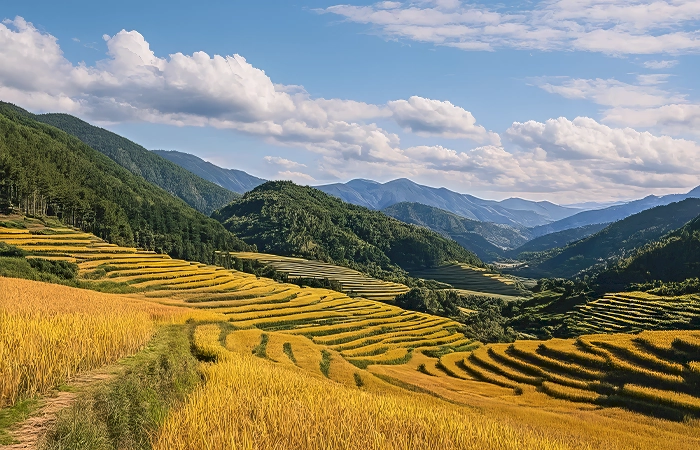
Another must-see spot is the viewing platform overlooking the terraced fields. Depending on the season, the fields shift from bright green to golden yellow, offering a stunning contrast with the grey-tiled roofs of the village. The surrounding landscape of Liannan is characterized by karst mountains, adding a dramatic backdrop to your cultural exploration.
Practical Information for International Travelers
Getting There:
The village is located in Liannan Yao Autonomous County, Qingyuan City, Guangdong Province.
- By High-Speed Rail: The closest station is Qingyuan Station or Yangshan Station. From there, you can take a taxi or a bus to Liannan County (approximately 1.5 to 2 hours).
- By Car: If you are in Guangzhou, it takes about 3 to 4 hours to drive to the village. The drive is scenic, winding through the mountainous terrain of northern Guangdong.
Accommodation:
There are several guesthouses inside the village that offer a rustic experience. While the facilities are basic compared to luxury hotels, they are clean and provide a unique chance to stay in a centuries-old building. For more comfort, there are hotels in Liannan County town, just a short drive away.
Dining:
Don't miss the local cuisine! Try the "Smoked Pork" and "Bamboo Tube Rice," which are staples of Yao hospitality. The local rice wine, made from glutinous rice, is sweet and potent—perfect for toasting with new friends.
Travel Tips:
- Respect Local Customs: When photographing locals, always ask for permission first.
- Dress Code: Wear comfortable walking shoes as the stone paths can be slippery and uneven.
- Weather: The mountain weather changes quickly; bring a light raincoat even if the sky looks clear.
Why Millennium Yao Village Should Be on Your Bucket List
In a rapidly modernizing world, the Millennium Yao Village stands as a testament to resilience and cultural pride. It offers a raw, unfiltered look at the life of the Yao ethnic minority in China. It is not a theme park; it is a community that has successfully preserved its identity for a thousand years.
Whether you are a history buff, a cultural anthropologist, or a casual traveler looking for an off-the-beaten-path adventure, this destination delivers an experience that is both educational and deeply moving. It bridges the gap between the modern world and ancient traditions, making it one of the most significant cultural heritage sites in Southern China.


Contact Us
What Our Clients Say?
Based on 10,000+ traveler reviews

Daniel Dorothea
Canada
Reviewed on April 29,2025
Shopping on Nanjing Road in Shanghai was just amazing! It's truly the "First Commercial Street of China", where tradition and modernity blend perfectly. You can find awesome souvenirs and experience the trendy vibes in cool stores. The neon lights at night are just spectacular, shining bright like Times Square in New York. The food here is incredible too. I had a feast for my taste buds. Shanghai, I'll definitely be back!
Destination(s):
Shanghai
Date of
Experience:
May 08,2024


Elvis Eva
Canada
Reviewed on June 20,2025
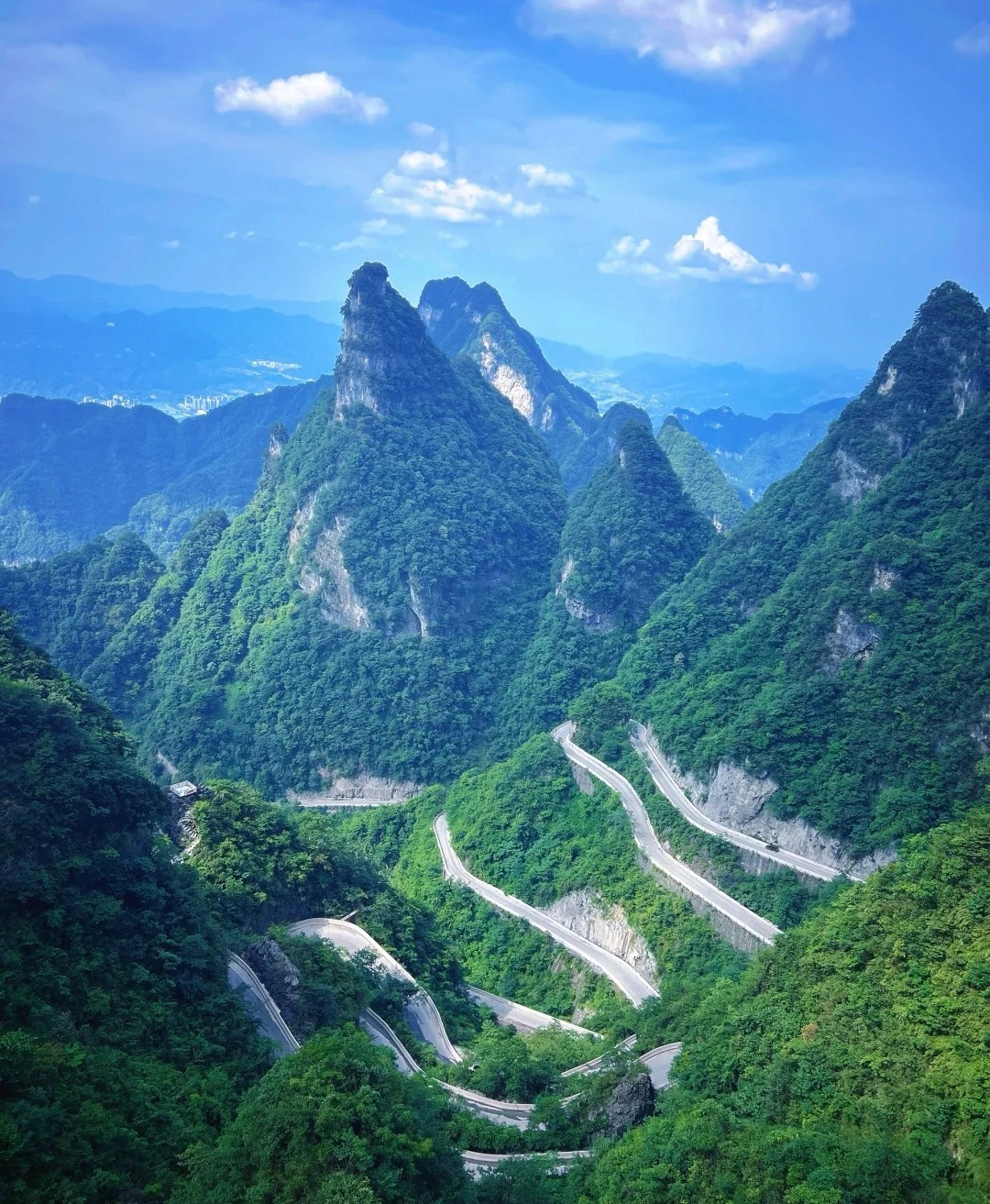
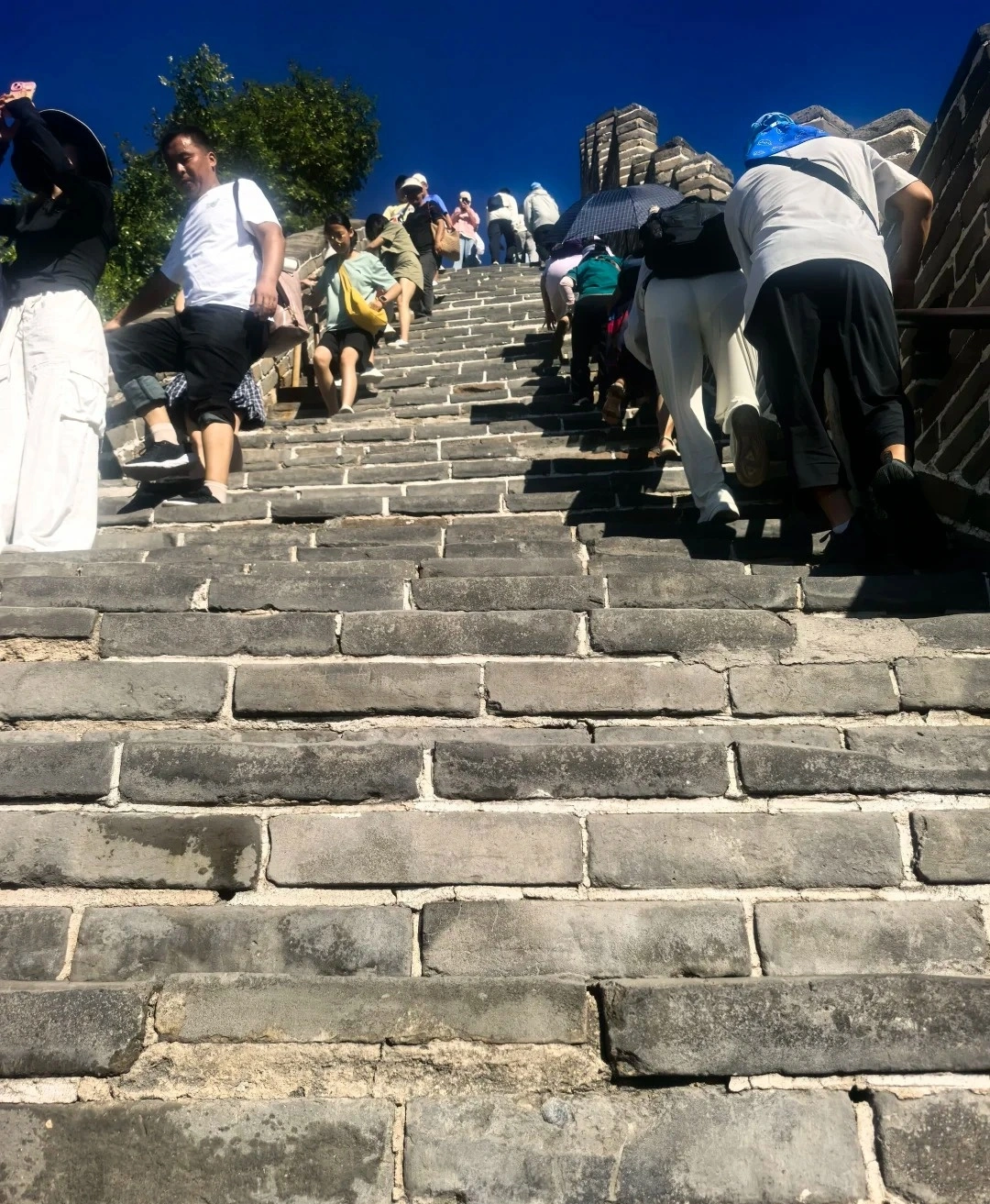
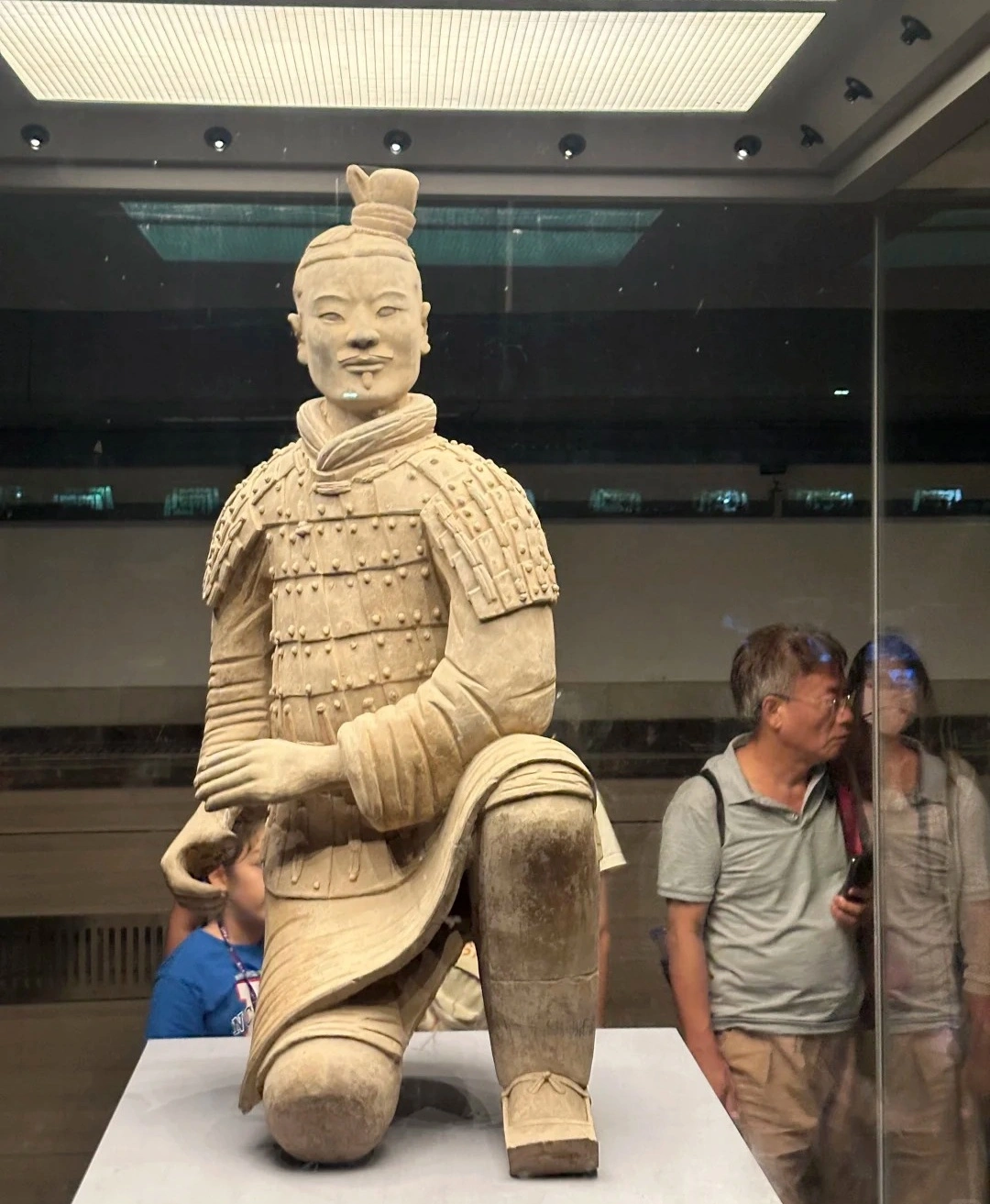
As a solo traveler from Canada, I was nervous about navigating China alone—but this 11-day tour was PERFECT! From hiking the Great Wall at sunrise (Day 3) to gasping at the Terracotta Army (Day 5), every day delivered ‘pinch-me’ moments. The real showstopper? Zhangjiajie’s Avatar Mountains (Day 7)! Our guide made the stone pillars come alive with stories.
Massive thanks for handling all logistics—bullet train tickets, entry passes, car! And the 4-star hotels surprised me.
Destination(s):
Beijing Xian Zhangjiajie Shanghai
Date of
Experience:
June 02,2025

Simon
America
Reviewed on May 29,2025
Our 2-day Zhangjiajie tour was beyond spectacular! As someone who’s visited Beijing and Shanghai for work, this trip revealed China’s wild, magical heart. Day 1 in Zhangjiajie National Forest Park felt like stepping onto Pandora—I’m a huge Avatar fan, and Yuanjiajie’s floating peaks left me breathless. The misty pillars and lush valleys like pure movie magic!
Then came Fenghuang Ancient Town, we eat dinner beside the thundering waterfall. It seems Unreal! The night views of stilt houses glowing over the river were straight from a fairy tale.
For fellow Avatar lovers and adventure seekers: Don’t miss this bucket-list experience! 10/10 would return.
A Well-Traveled Film Buff, May 2025
Destination(s):
Zhangjiajie
Date of
Experience:
May 08,2025