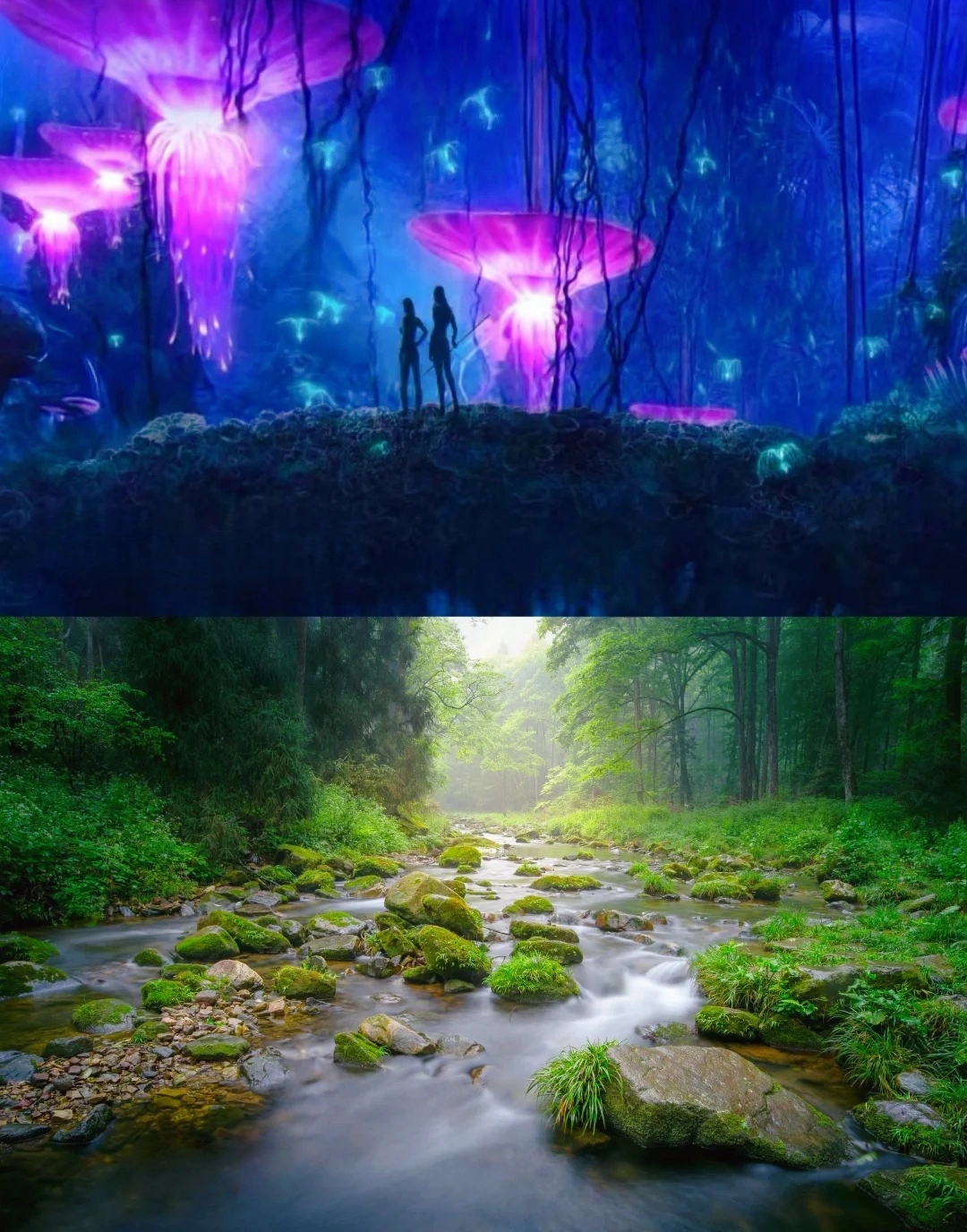

Qianmen Street: The Timeless Heart of Beijing – A Complete Guide to History, Culture, and Authentic Flavors
If you are planning a trip to Beijing in 2026 and want to experience the soul of the city in a single location, Qianmen Street is the definitive answer. Stretching 1,400 meters south from the majestic Zhengyangmen Gate, this iconic avenue is not just a shopping destination; it is a living museum of Chinese history, a culinary paradise, and the only commercial pedestrian street strategically located on Beijing's Central Axis.
Whether you are a history buff, a foodie, or a culture seeker, Qianmen Street offers a seamless blend of Ming-Qing dynasty heritage and modern vibrancy. Here is everything you need to know to navigate this "First Street of China."
A Walk Through History: The Central Axis Legacy
Qianmen Street is the southern gateway to the forbidden city and sits on the precise meridian that defines Beijing's urban layout. Established in 1436 during the Ming Dynasty, it was originally known as "Guanjie" (Official Street). By the Qing Dynasty, it was paved with stone slabs, a feature that was painstakingly restored during the 2008 renovation to recreate the atmosphere of the 1920s and 30s.
The street is divided into two distinct sections:
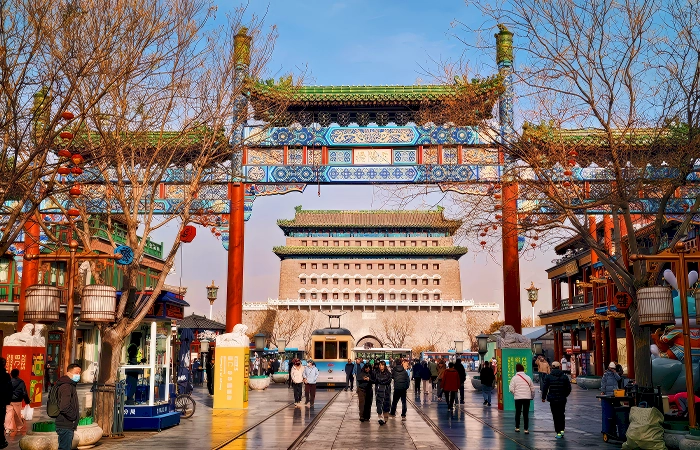
- The North Segment (845 meters): A pedestrian-only zone running from Zhengyangmen Arrow Tower to Zhushikou Street. This is the core tourist area, lined with restored five-story archways, white marble bridges, and vintage street lamps shaped like birdcages and drums.
- The South Segment (523 meters): A two-way road extending to Yong'an Road, functioning as a city secondary artery.
As of 2024, the northern pedestrian section strictly prohibits motor vehicles, ensuring a safe and leisurely stroll past architectural replicas of the "Imperial Road."
The Ultimate Beijing food Map
For many international visitors, Qianmen is synonymous with authentic Beijing cuisine. It is home to over 30 "Time-Honored Brands" (Laozi Hao), many of which have been recognized as National Intangible Cultural Heritage assets.
Must-Try Restaurants
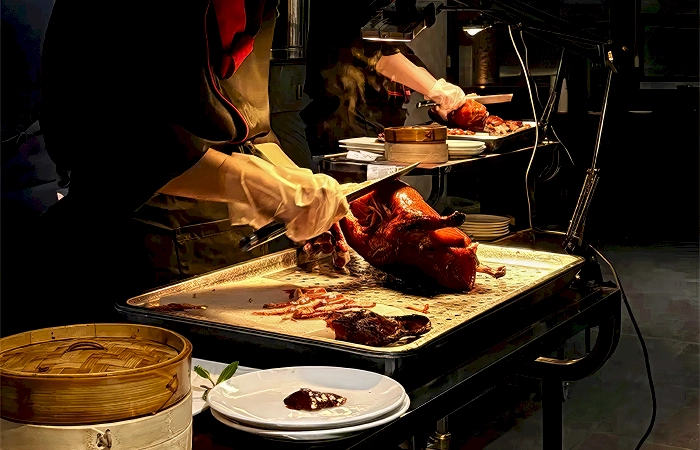
- Quanjude: Established in 1864, this is the holy grail of Peking Duck. The roast duck here is numbered and traced to its source, ensuring premium quality. Watching the chefs carve the duck tableside is a culinary performance in itself.
- Duyichu: Famous for its steamed shaomai (dumplings), this restaurant holds an imperial plaque from Emperor Qianlong. Their craftsmanship is so unique it was once taught to Japanese artisans.
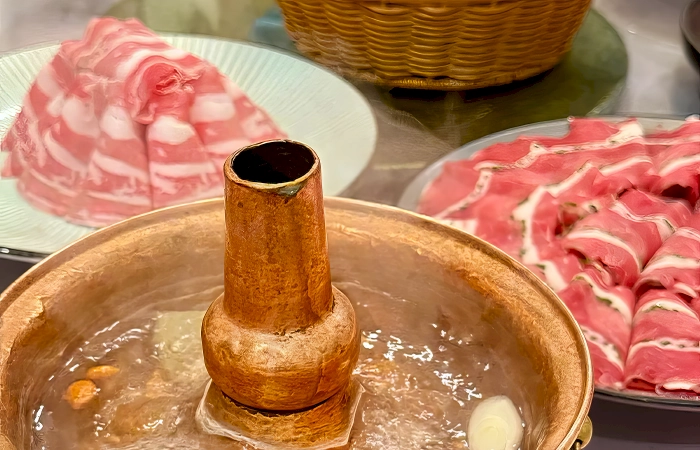
- Donglaishun: The go-to spot for traditional Mongolian hot pot (instant-boiled mutton).
- Yitiaolong: Another mutton hot pot legend dating back to 1785, known for its thick-cut lamb and sesame seed cakes (shaobing).
Snack Street Exploration
Venture into the adjacent Xianyukou (Fresh Fish Mouth) alley for street food. You can find traditional treats like tanghulu (candied hawthorn), Beijing yogurt, and fried (guanchang) with garlic sauce. For a savory bite, try the garlic-infused stir-fried liver at Tianxingju or the bean milk at Yin San.
Shopping: Where Tradition Meets "Guochao"
Qianmen Street is a shopper's paradise that balances heritage with modern trends. It is currently undergoing a transformation to blend "Time-Honored Brands + Guochao" (national trends), shifting from a pure tourist trap to a cultural consumption hub for both visitors and locals.
- Fashion & Fabrics: Visit Ruifuxiang and Neiliansheng for traditional Chinese cloth shoes and silk garments. Zhang Yiyuan and Wu Yutai are perfect for purchasing high-grade Jasmine tea as souvenirs.
- Cultural Souvenirs: Dashilan, the historic commercial lane just west of Qianmen, is filled with boutiques selling cloisonné, hats (at Ma Juyuan), and traditional Chinese medicine.
- New Additions (2024-2026): The street has recently opened the Zhu Bingren Central Axis Art Museum, showcasing masterful copper carving techniques. The China Railway Museum (Zhengyangmen Branch), located in the former Beijing Railway Station building, offers a deep dive into China’s transport history.
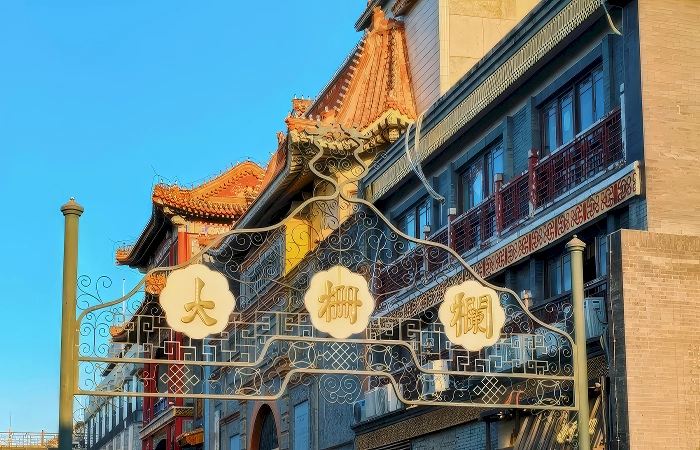
Unique Experiences: The "Dangdang" Tram and Night Views
To truly soak in the atmosphere, hop on the Vintage Tram (Dangdang Che). This retro-style electric train runs along the tracks embedded in the stone pavement, offering a nostalgic ride that connects the past and present.
- Nighttime Magic: Qianmen is spectacular after dark. In 2024, it was selected for the "Beijing Under the Moonlight" recommended list. The illuminated Zhengyangmen Arrow Tower and the neon lights of Dashilan create a cinematic backdrop.
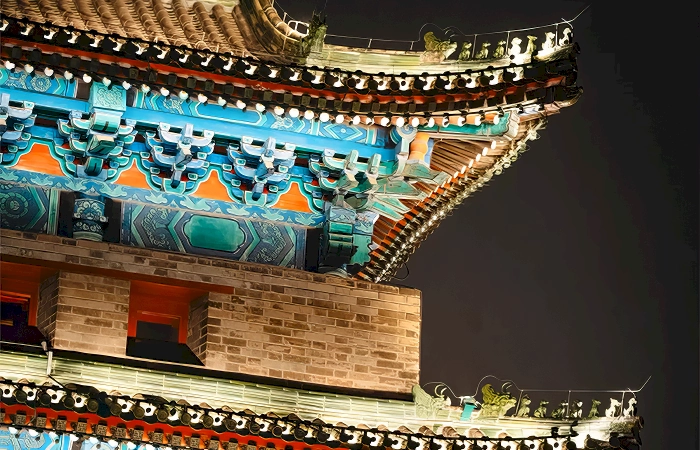
- Cultural Shows: Check out the Deyunshe theater for cross-talk (xiangsheng) or visit the Lao She Teahouse for a traditional tea ceremony and Peking Opera snippets.
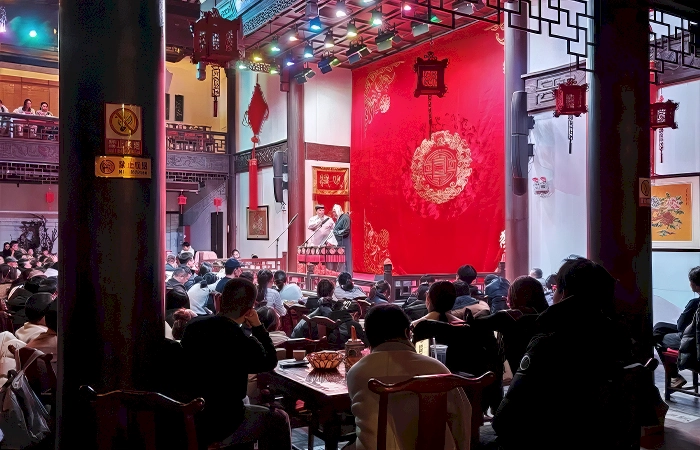
Practical Information for Your Visit (2026 Update)
Getting There:
- Subway: The most convenient way is via Line 2 or Line 8. Get off at Qianmen Station.
- Bus: Several lines stop nearby, including routes 120, 141, 22, 59, and Special Line 4. The "Xianyukou" stop is just a 4-minute walk from the main entrance.
- Walking: It is a 10-minute walk from Tiananmen Square.
Facilities:
The street is equipped with modern amenities, including AI-powered smart waste sorting stations that can identify up to 180,000 types of waste via voice or touch screen. There are four public restrooms located at the north, south, middle, and behind the Dashilan archway.
Best Time to Visit:
- Daytime: For photography, museum visits, and shopping (10:00 AM – 4:00 PM).
- Evening: For dining, night views, and avoiding the midday crowds (5:00 PM – 9:00 PM).
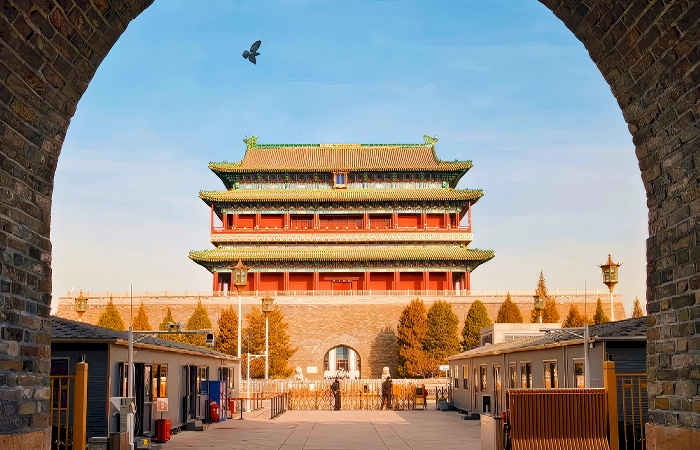
Qianmen Street is more than just a street; it is the "Living Room of Beijing." It successfully preserves the architectural memory of the Ming and Qing dynasties while adapting to the pulse of the 21st century. From the aroma of roasting duck to the clang of the vintage tram bells, every step here tells a story of China's resilience and elegance.
When you plan your Beijing walking tour, make Qianmen Street your first stop. It is where the "Central Axis" begins, and where the heart of the city beats the loudest.
Contact Us
What Our Clients Say?
Based on 10,000+ traveler reviews

Daniel Dorothea
Canada
Reviewed on April 29,2025
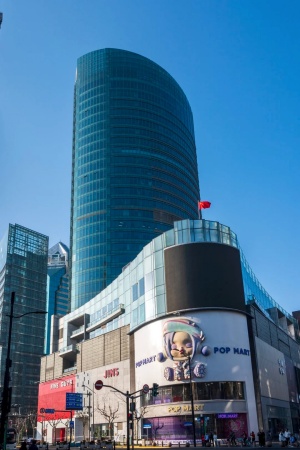
Shopping on Nanjing Road in Shanghai was just amazing! It's truly the "First Commercial Street of China", where tradition and modernity blend perfectly. You can find awesome souvenirs and experience the trendy vibes in cool stores. The neon lights at night are just spectacular, shining bright like Times Square in New York. The food here is incredible too. I had a feast for my taste buds. Shanghai, I'll definitely be back!
Destination(s):
Shanghai
Date of
Experience:
May 08,2024

Elvis Eva
Canada
Reviewed on June 20,2025
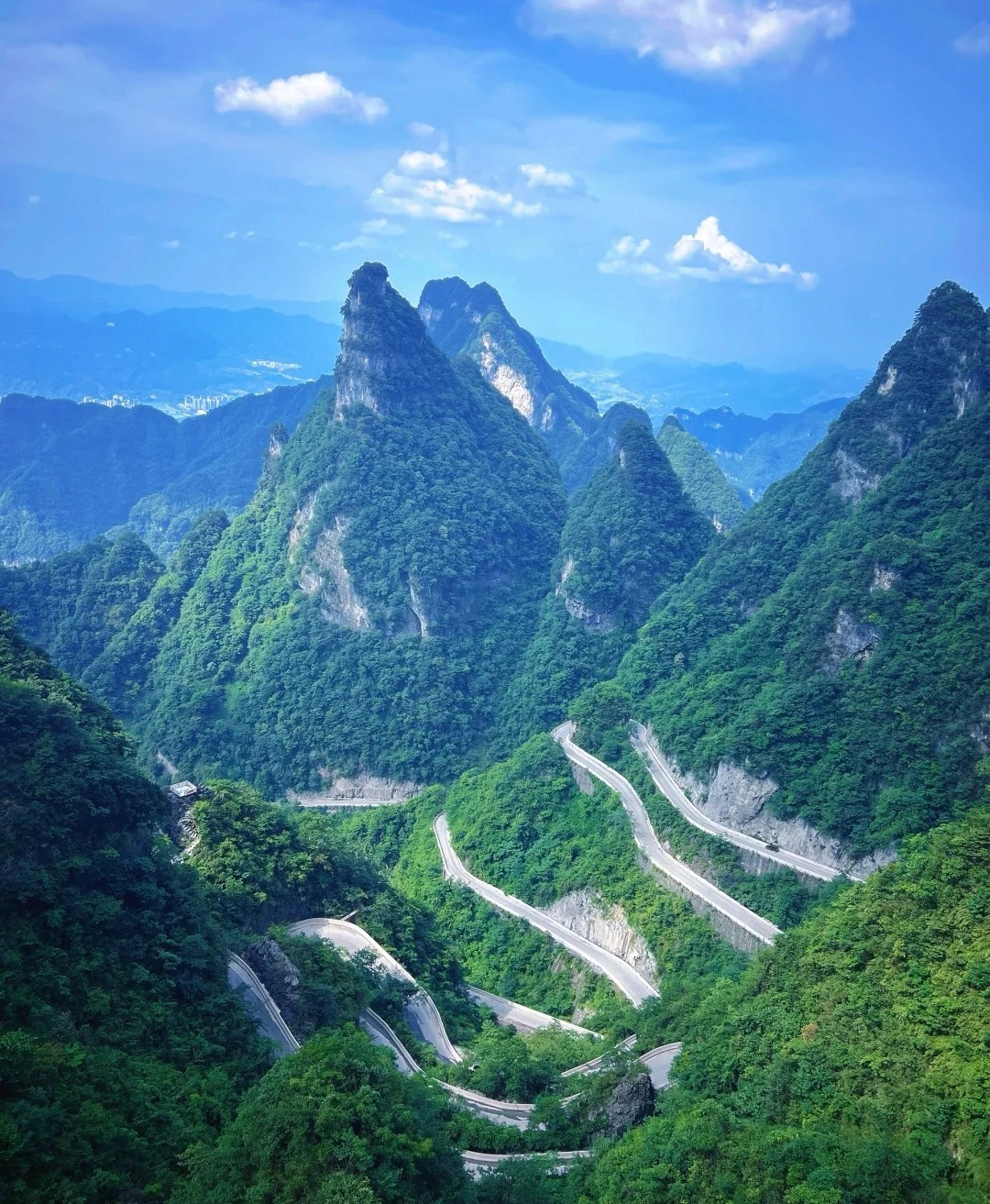
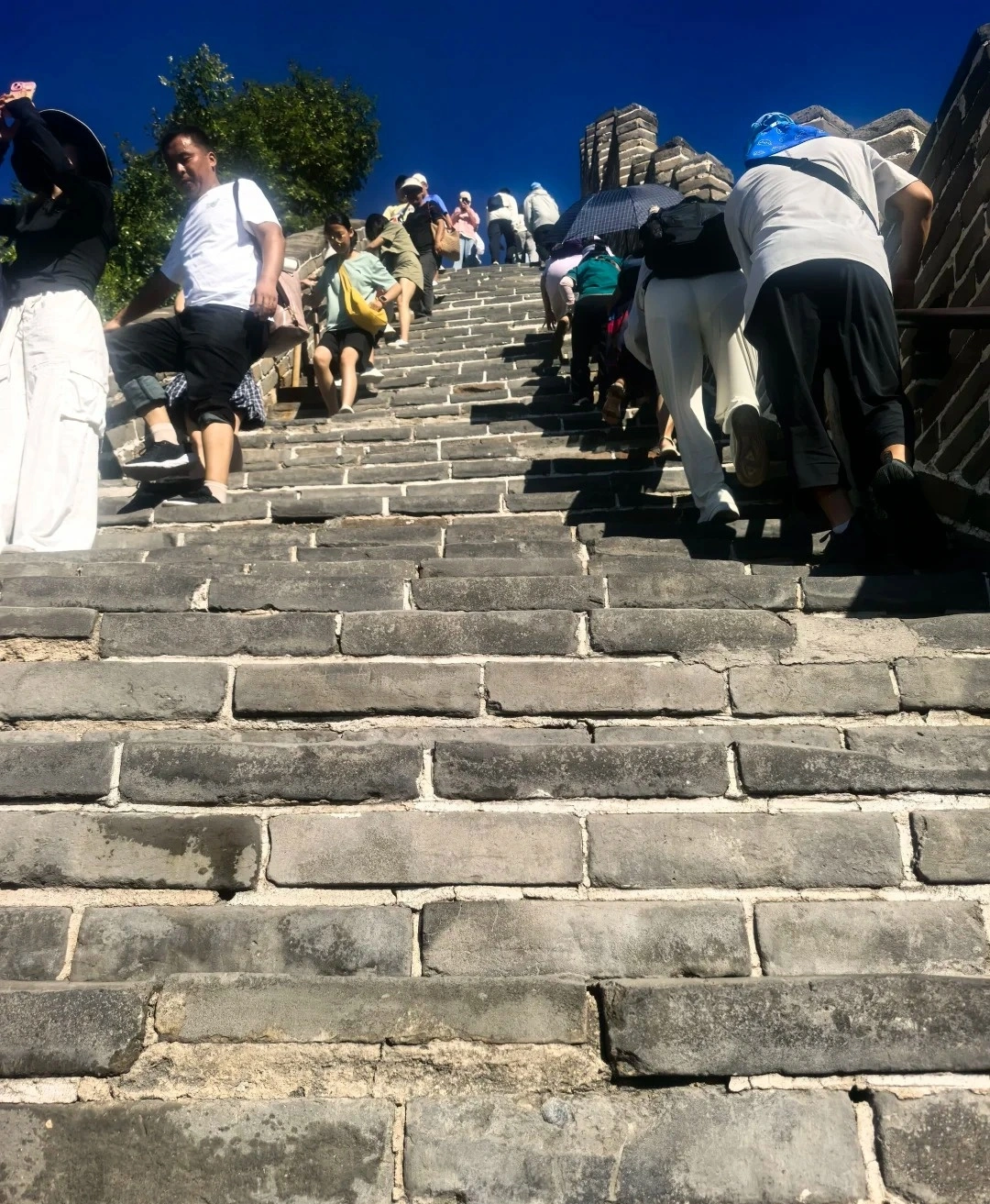
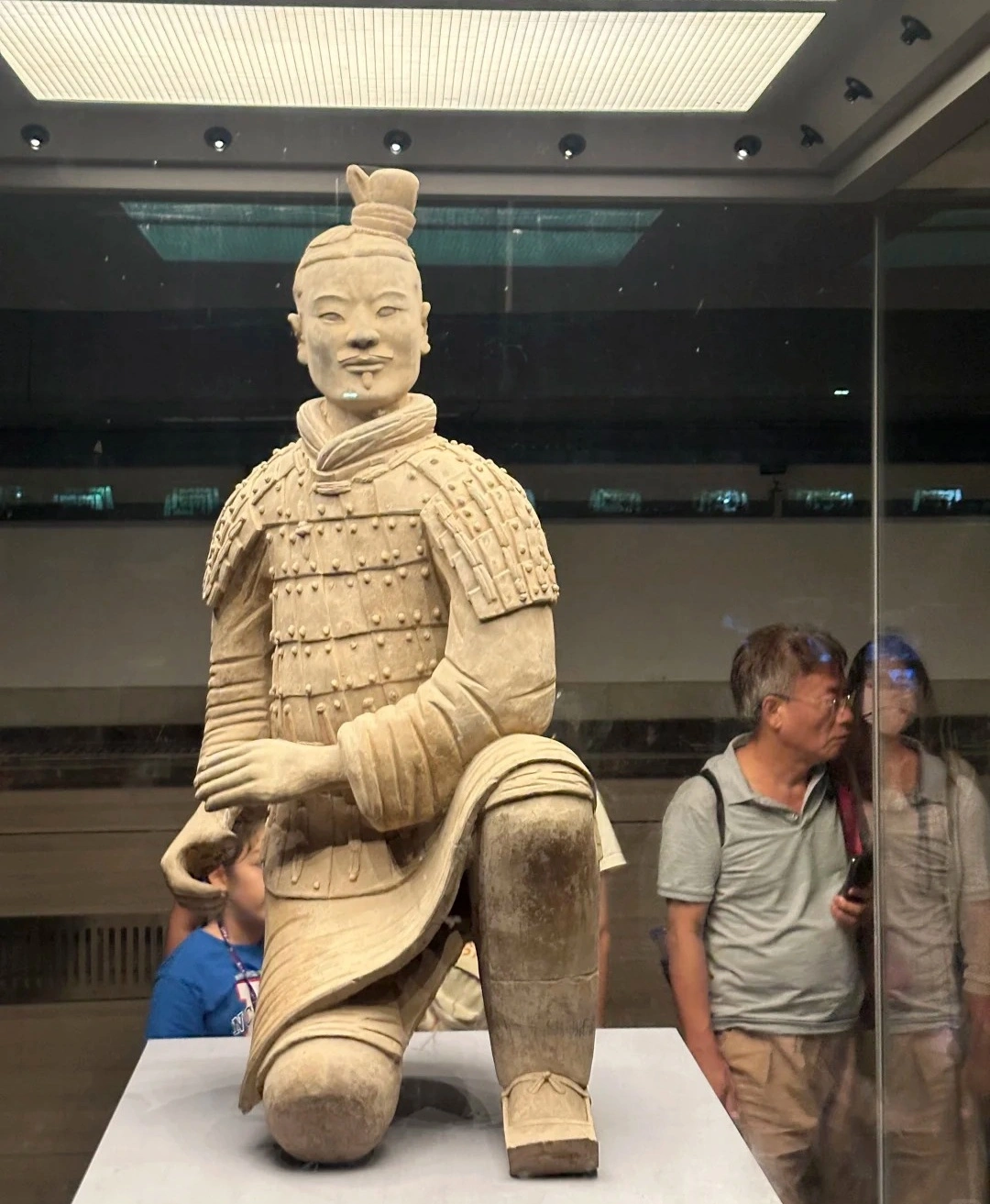
As a solo traveler from Canada, I was nervous about navigating China alone—but this 11-day tour was PERFECT! From hiking the Great Wall at sunrise (Day 3) to gasping at the Terracotta Army (Day 5), every day delivered ‘pinch-me’ moments. The real showstopper? Zhangjiajie’s Avatar Mountains (Day 7)! Our guide made the stone pillars come alive with stories.
Massive thanks for handling all logistics—bullet train tickets, entry passes, car! And the 4-star hotels surprised me.
Destination(s):
Beijing Xian Zhangjiajie Shanghai
Date of
Experience:
June 02,2025

Simon
America
Reviewed on May 29,2025
Our 2-day Zhangjiajie tour was beyond spectacular! As someone who’s visited Beijing and Shanghai for work, this trip revealed China’s wild, magical heart. Day 1 in Zhangjiajie National Forest Park felt like stepping onto Pandora—I’m a huge Avatar fan, and Yuanjiajie’s floating peaks left me breathless. The misty pillars and lush valleys like pure movie magic!
Then came Fenghuang Ancient Town, we eat dinner beside the thundering waterfall. It seems Unreal! The night views of stilt houses glowing over the river were straight from a fairy tale.
For fellow Avatar lovers and adventure seekers: Don’t miss this bucket-list experience! 10/10 would return.
A Well-Traveled Film Buff, May 2025
Destination(s):
Zhangjiajie
Date of
Experience:
May 08,2025