
Xi'an Great Mosque
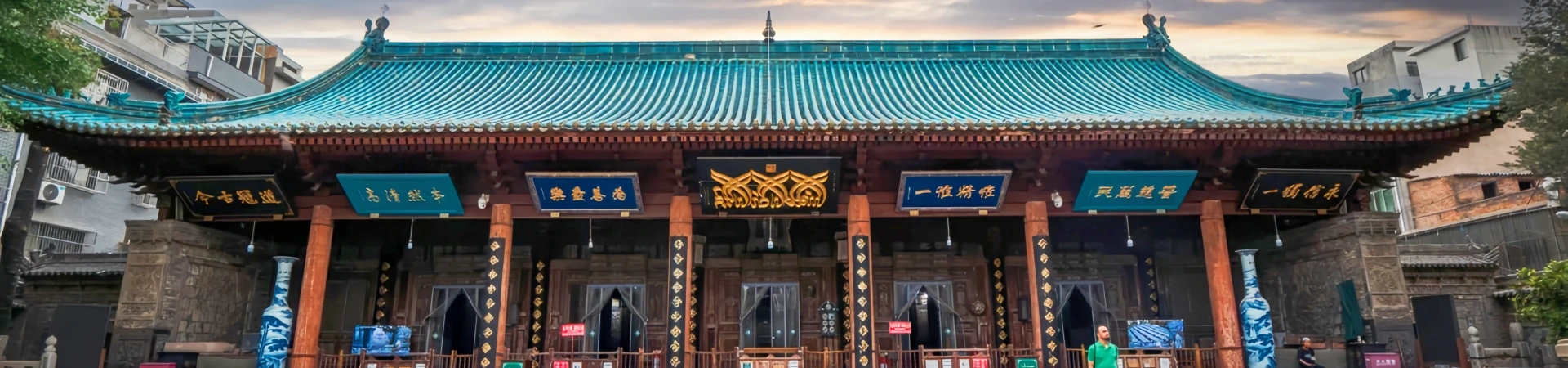
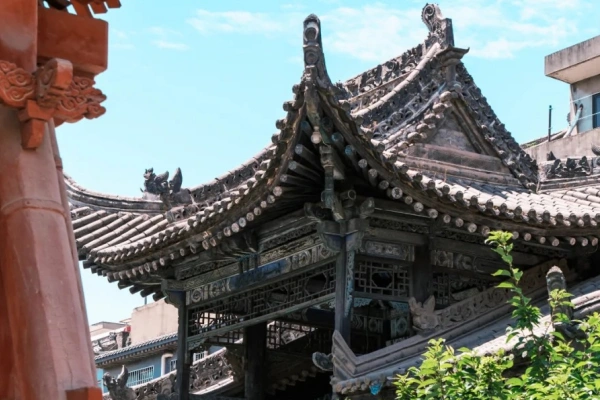
The Xi'an Great Mosque, a historic center of Islamic culture in China’s ancient capital, is one of the oldest and largest mosques in East Asia. Established in 742 CE during the Tang Dynasty, this architectural marvel spans 12,000 square meters and seamlessly blends traditional Chinese and Islamic design elements. Renowned for its four courtyards, ornate prayer halls, and 1,300-year history, it serves as both a place of worship and a cultural landmark. Designated a national heritage site in 1988, the mosque welcomes over 500,000 visitors annually, offering a window into the Silk Road’s legacy of cultural exchange.
Historical Overview
The mosque’s history reflects centuries of coexistence between Islamic and Chinese traditions.
742 CE: Founded during the Tang Dynasty under Emperor Xuanzong, serving as a hub for Persian and Arab merchants along the Silk Road.
1392 CE: Expanded during the Ming Dynasty, adding the iconic wooden prayer hall and stone archways.
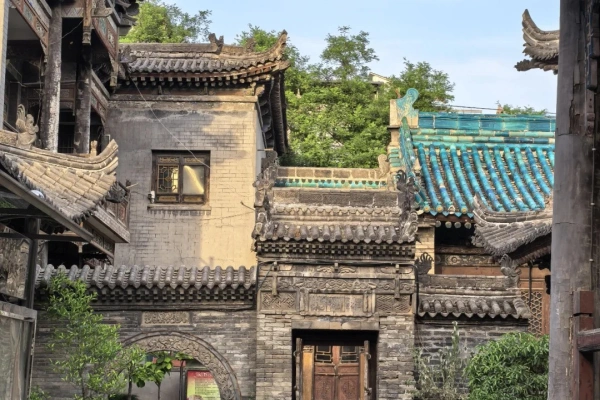
1644–1911 CE: Qing Dynasty renovations introduced intricate brick carvings and Arabic calligraphy, reflecting Islamic art influences.
1950s–1980s: Preserved as a cultural site during modernization, with restoration projects funded by Chinese and international Islamic communities.
2023: Recognized by UNESCO for its "living heritage" status, highlighting its role in fostering intercultural dialogue.
Structural Layout
The mosque’s layout follows a traditional Chinese temple structure while incorporating Islamic elements, divided into four courtyards:
First Courtyard: Features a grand wooden archway with Arabic inscriptions and a 9-meter-high stone gateway, symbolizing the transition from secular to sacred space.
Second Courtyard: Home to a 10th-century stone stele commemorating the mosque’s founding and a pavilion housing ancient Quranic manuscripts.
Third Courtyard: Centers around the 17th-century Phoenix Pavilion, a two-story wooden structure with upturned eaves and geometric latticework.
Fourth Courtyard: Contains the main prayer hall, a 600-square-meter space with a carved wooden ceiling, Persian carpets, and a mihrab facing Mecca.
Major Attractions
Wooden Prayer Hall: A masterpiece of Ming-Qing architecture, featuring 20 intricately carved wooden pillars and a ceiling adorned with gold-leaf Islamic motIFS.
Stone Stele Garden: Displays 30 historic stone tablets, including a Tang Dynasty碑刻 (stele) documenting early Islamic settlements in Xi’an.
Phoenix Pavilion: A UNESCO-listed structure known for its "phoenix-shaped" roof and latticework depicting Islamic geometric patterns.
Moonlight Well: A 14th-century well in the second courtyard, said to reflect moonlight during Festivals, symbolizing purity in Islamic tradition.
Suggested Itineraries
Classic Route (1–2 Hours)
First Courtyard: Explore the stone archway and stele garden (20 mins).
Second Courtyard: Visit the Phoenix Pavilion and Quranic pavilion (30 mins).
Fourth Courtyard: Tour the prayer hall and Moonlight Well (40 mins).
Highlights: Architectural fusion, historic artifacts, and sacred spaces.
Cultural Depth Route (3–4 Hours)
Morning: First Courtyard → Second Courtyard → Phoenix Pavilion (1.5 hours).
Afternoon: Third Courtyard → Prayer Hall → Islamic Calligraphy Workshop (if available, 1 hour).
Evening: Attend evening prayers (non-Muslims welcome to observe respectfully).
Highlights: Workshops, guided tours, and spiritual experiences.
All-Day Exploration (Full Day)
Morning: Classic route + guided tour (2 hours).
Afternoon: Lunch at a nearby Muslim Quarter restaurant → Visit the Great Mosque Museum (1 hour).
Evening: Sunset photography in the fourth courtyard + cultural performance (if scheduled).
Highlights: Local cuisine, museum exhibits, and immersive cultural immersion.
Ticket Purchase
Online: Book via the official WeChat account "西安大清真寺" (Xi'an Great Mosque) up to 3 days in advance.
On-Site: Purchase tickets at the entrance (8:30 AM–5:30 PM).
Prices: Standard Entry: ¥25 (students ¥15; children under 1.2m free).
Guided Tours: ¥100–200 (1-hour English/Chinese tours covering history and architecture).
Free Admission: Disabled visitors and seniors over 70 with valid ID.
Transportation
By Subway: Line 2 to Bell Tower Station (Exit D), 10-minute walk west.
By Bus: Routes 7, 15, 32, 43, 45, 201, or 611 to "Huajue Lane" stop.
By Taxi: Direct to "Xī'ān Dà Qīngzhēnsì" (西安大清真寺).
Parking: Limited street parking nearby; recommended to use public transport.
Best Time & Tips
Avoid Crowds: Peak Hours: 10 AM–2 PM (weekends/holidays).
Best Times: Early morning (8:30 AM opening) or late afternoon (4 PM–5 PM).
Quietest Days: Tuesdays–Thursdays (Mondays open but less crowded).
Weather: Indoor/outdoor site; spring/autumn ideal for courtyard photography.
Essentials: Dress modestly (cover shoulders/knees); remove shoes before entering prayer halls.
Photography: Allowed everywhere except during prayers; no flash in the prayer hall.
Prohibited Items: Alcohol, pets, and large bags (lockers available at entrance).


Contact Us
Что говорят наши клиенты?
На основе более 10 000 отзывов путешественников

Daniel Dorothea
Canada
Reviewed on April 29,2025
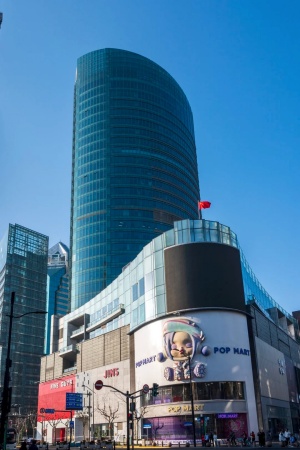
Shopping on Nanjing Road in Shanghai was just amazing! It's truly the "First Commercial Street of China", where tradition and modernity blend perfectly. You can find awesome souvenirs and experience the trendy vibes in cool stores. The neon lights at night are just spectacular, shining bright like Times Square in New York. The food here is incredible too. I had a feast for my taste buds. Shanghai, I'll definitely be back!
Destination(s):
Shanghai
Date of
Experience:
May 08,2024

Elvis Eva
Canada
Reviewed on June 20,2025
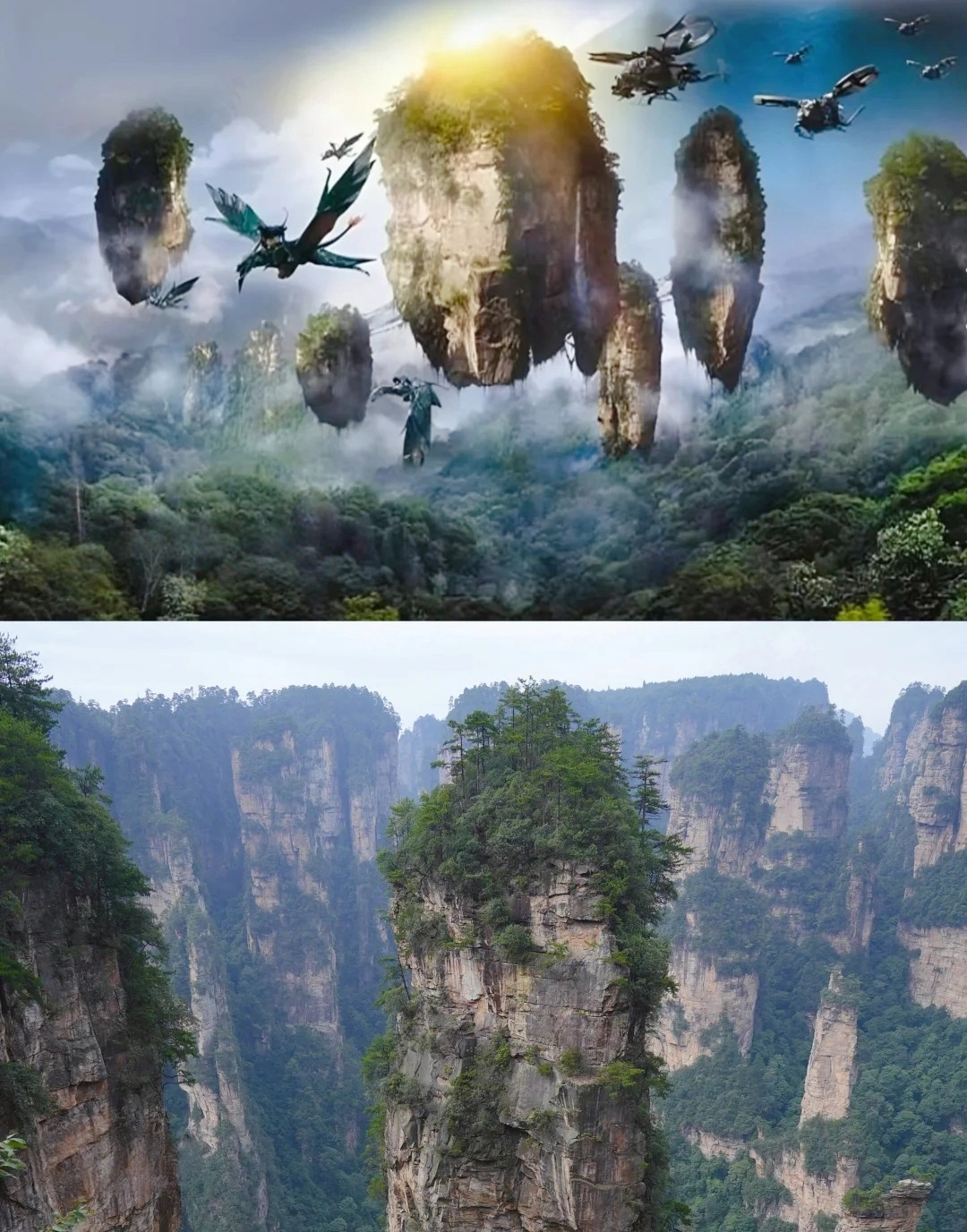
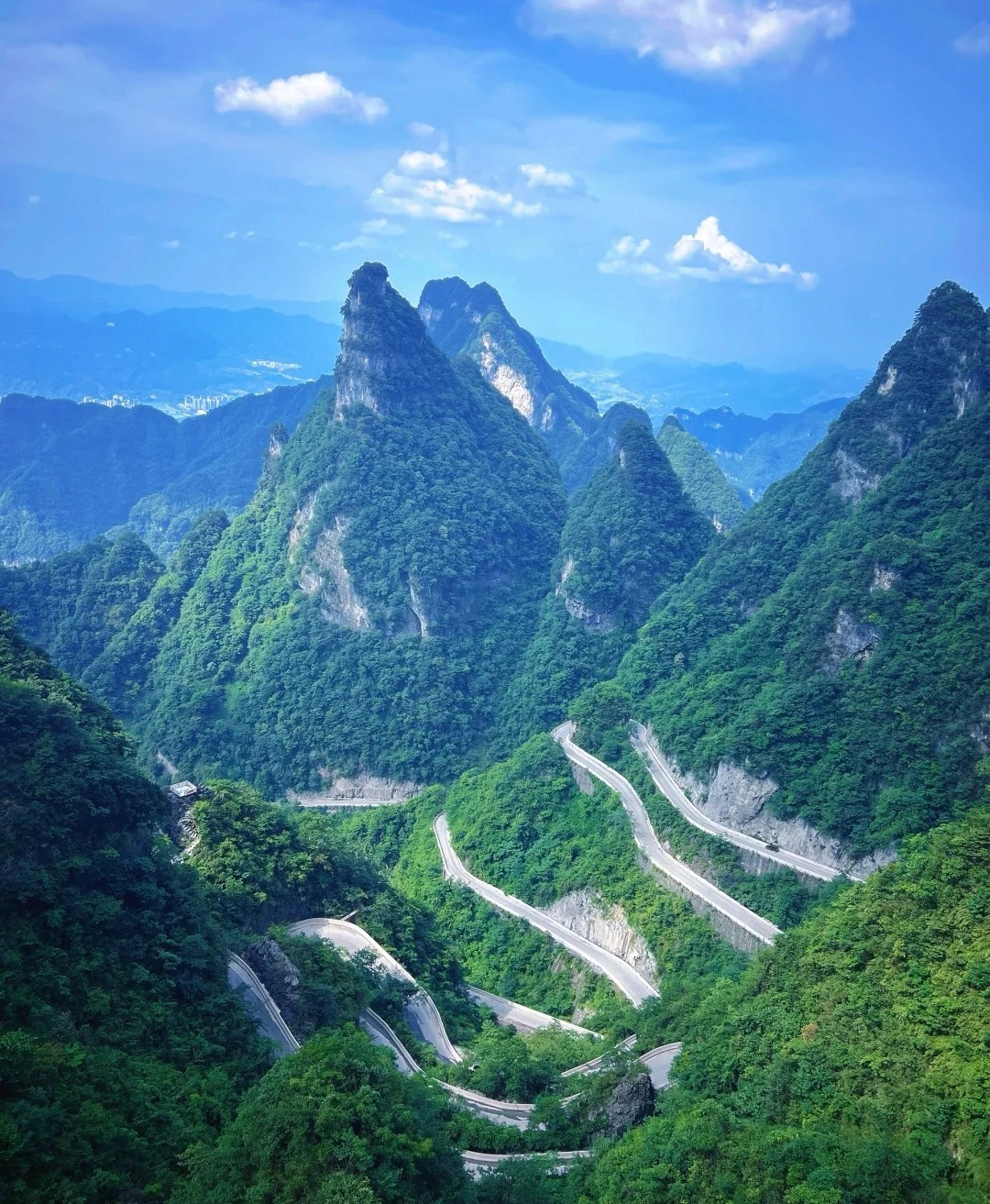
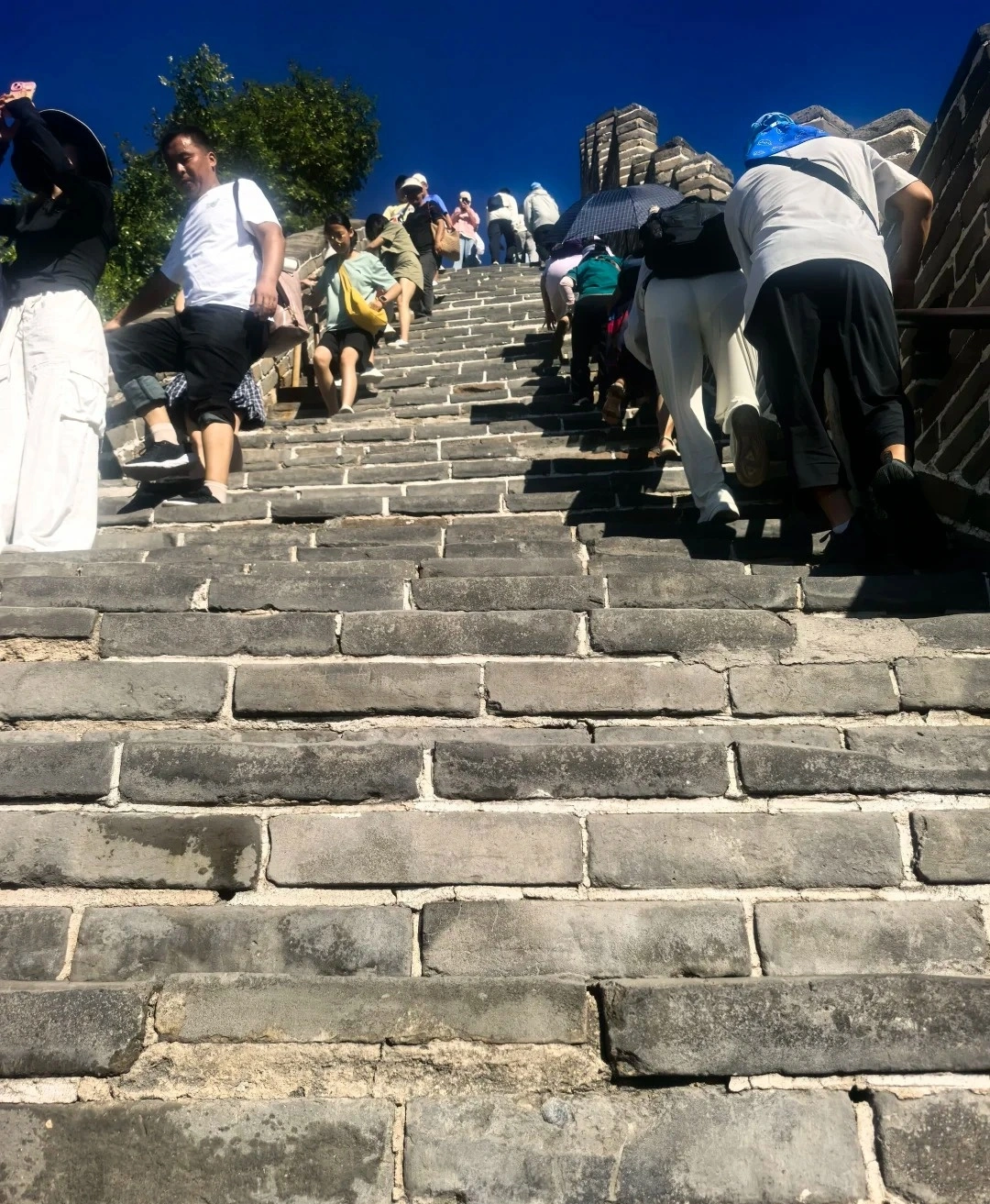
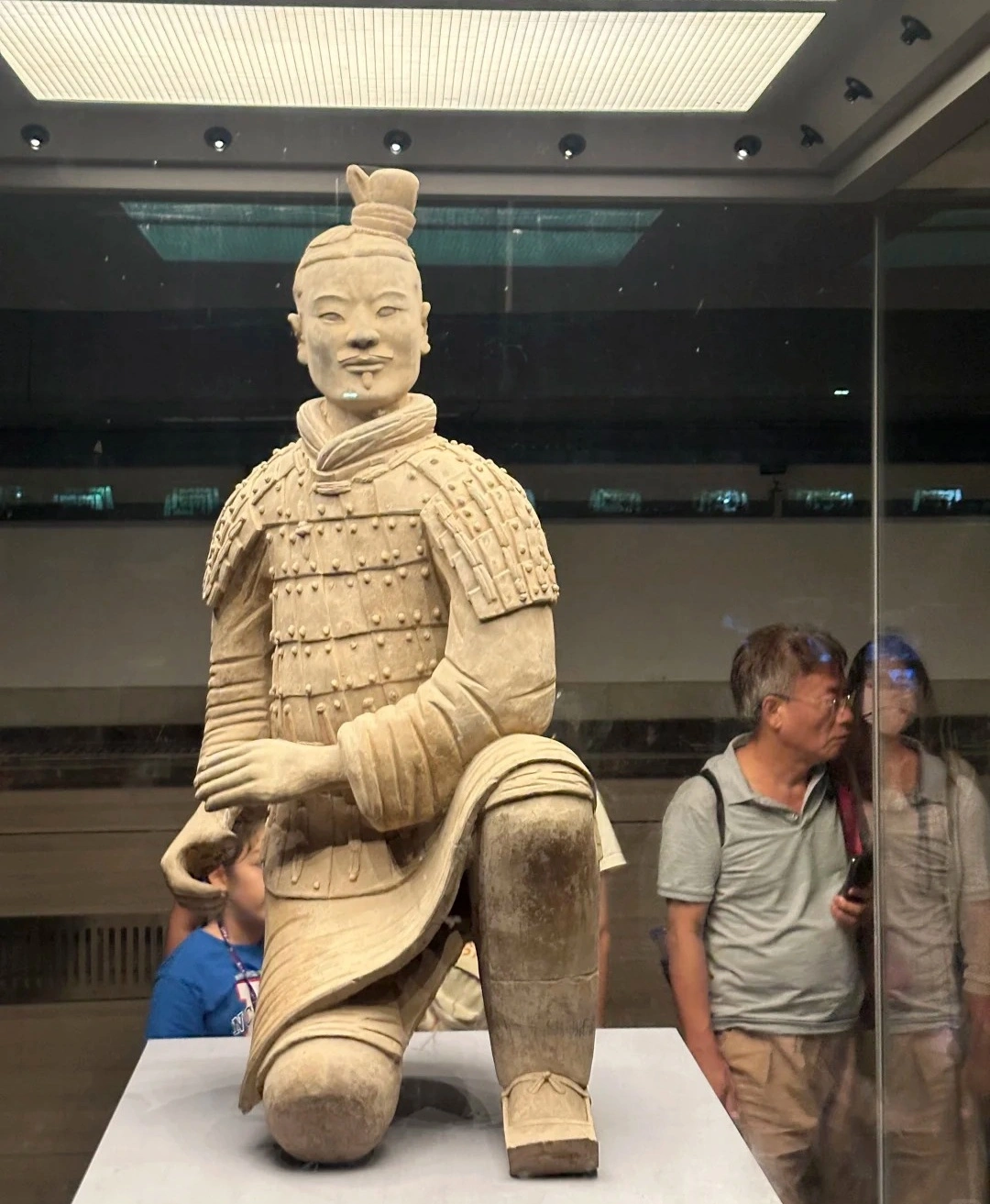
As a solo traveler from Canada, I was nervous about navigating China alone—but this 11-day tour was PERFECT! From hiking the Great Wall at sunrise (Day 3) to gasping at the Terracotta Army (Day 5), every day delivered ‘pinch-me’ moments. The real showstopper? Zhangjiajie’s Avatar Mountains (Day 7)! Our guide made the stone pillars come alive with stories.
Massive thanks for handling all logistics—bullet train tickets, entry passes, car! And the 4-star hotels surprised me.
Destination(s):
Beijing Xian Zhangjiajie Shanghai
Date of
Experience:
June 02,2025

Simon
America
Reviewed on May 29,2025
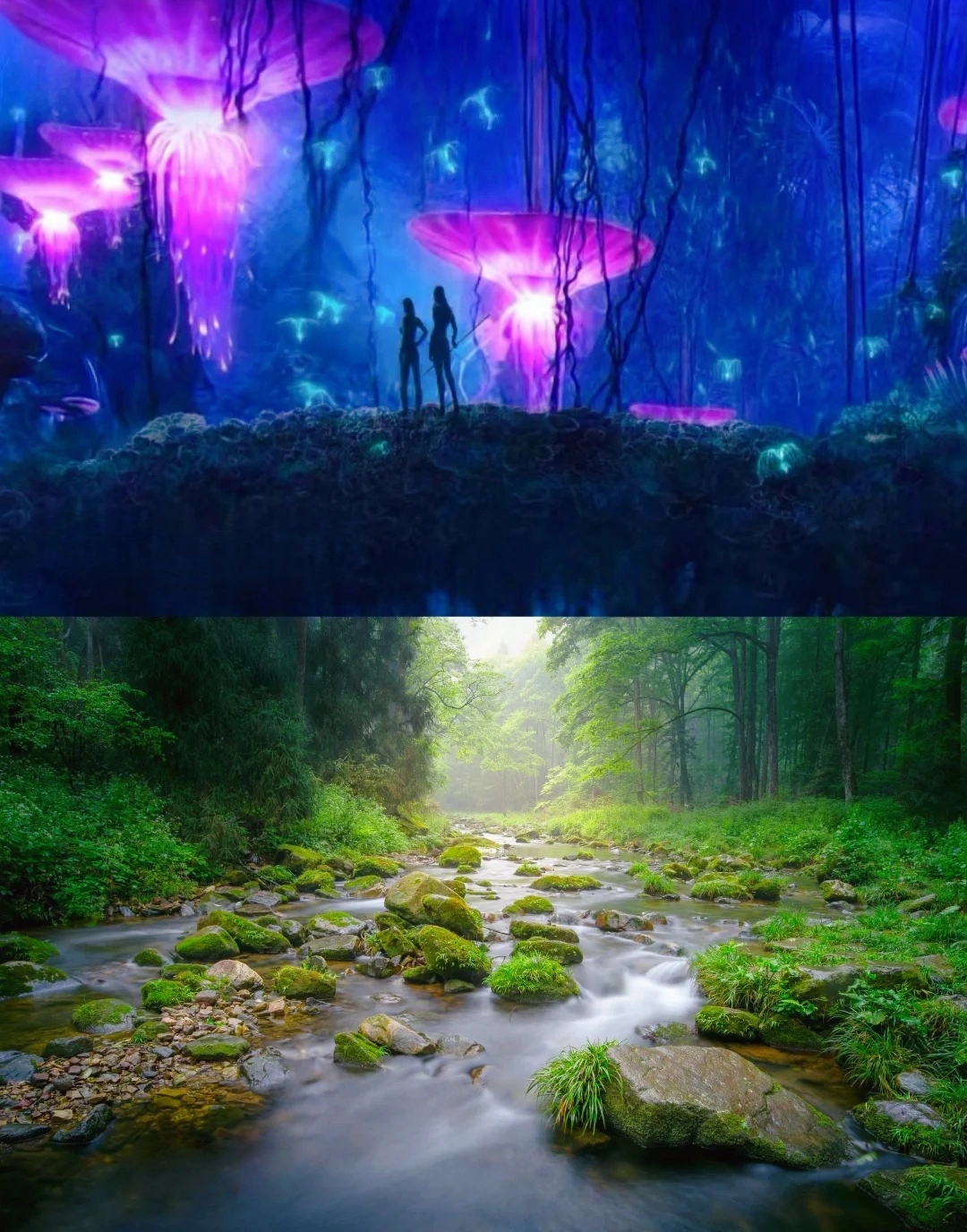
Our 2-day Zhangjiajie tour was beyond spectacular! As someone who’s visited Beijing and Shanghai for work, this trip revealed China’s wild, magical heart. Day 1 in Zhangjiajie National Forest Park felt like stepping onto Pandora—I’m a huge Avatar fan, and Yuanjiajie’s floating peaks left me breathless. The misty pillars and lush valleys like pure movie magic!
Then came Fenghuang Ancient Town, we eat dinner beside the thundering waterfall. It seems Unreal! The night views of stilt houses glowing over the river were straight from a fairy tale.
For fellow Avatar lovers and adventure seekers: Don’t miss this bucket-list experience! 10/10 would return.
A Well-Traveled Film Buff, May 2025
Destination(s):
Zhangjiajie
Date of
Experience:
May 08,2025