The Architectural Mastery: Defensive Wisdom in the Age of Cold Weapons
The Xi'an City Wall is not just a simple "wall," but a complex and scientific ancient military defense system.
A tight defensive sequence: from the moat to the crenellations
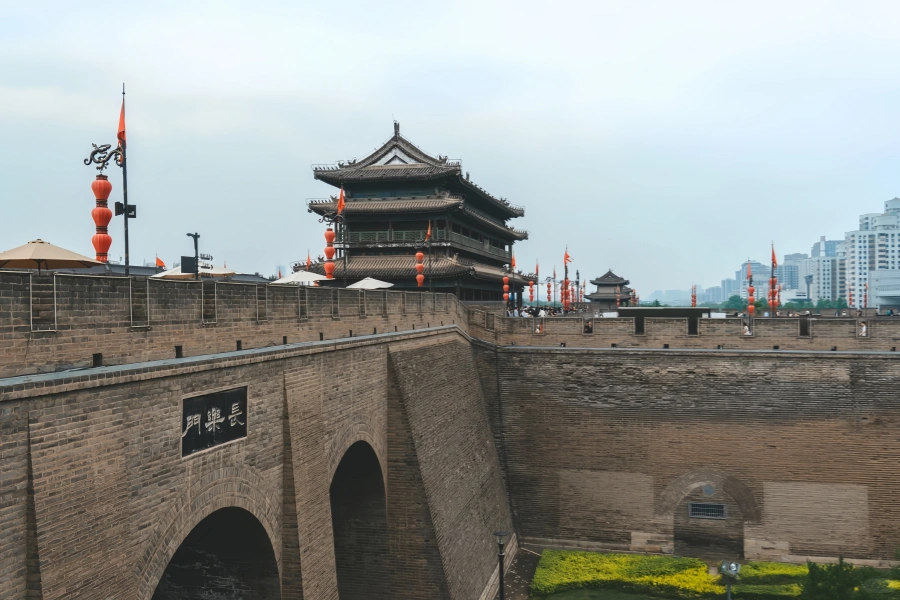
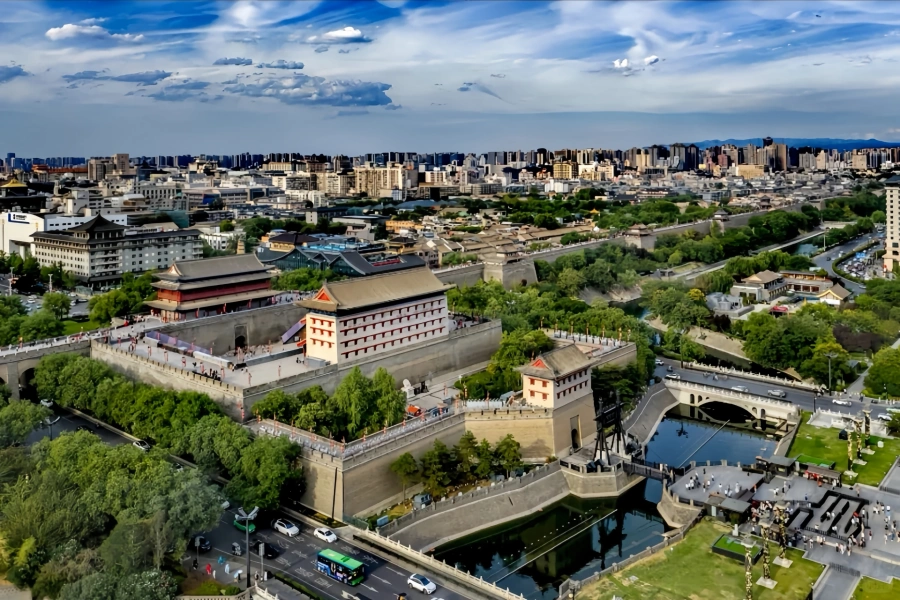
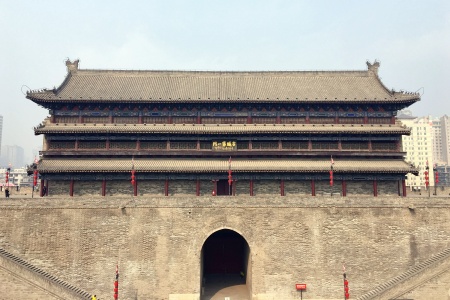
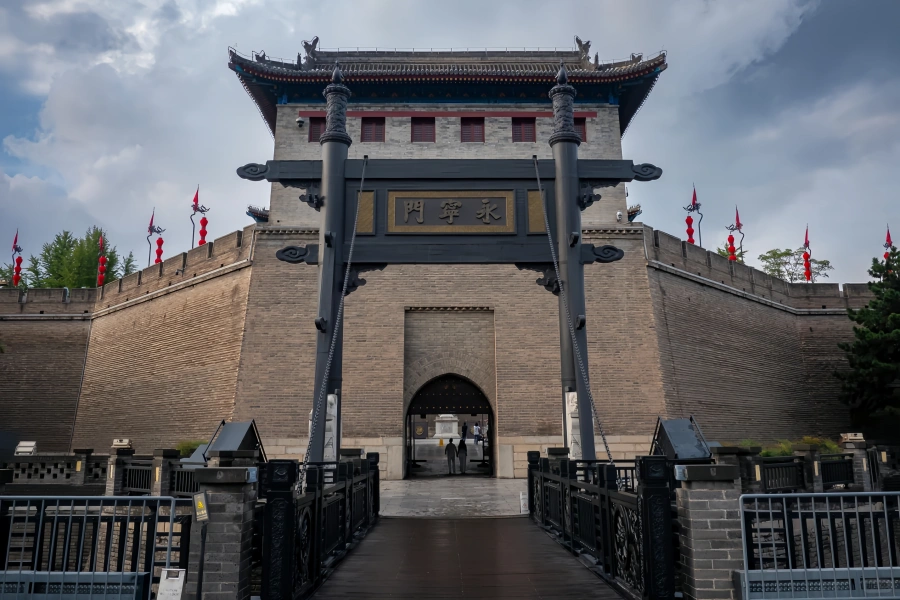
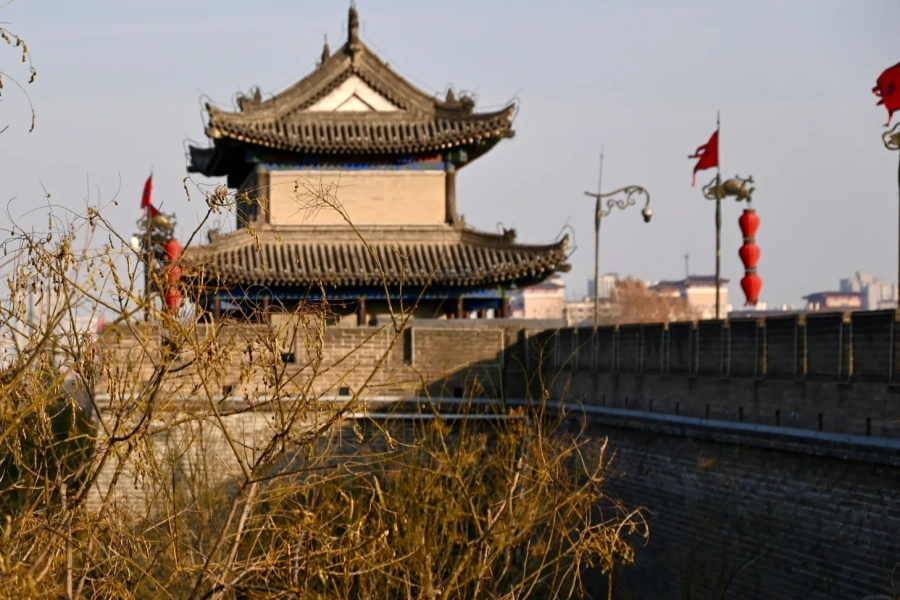
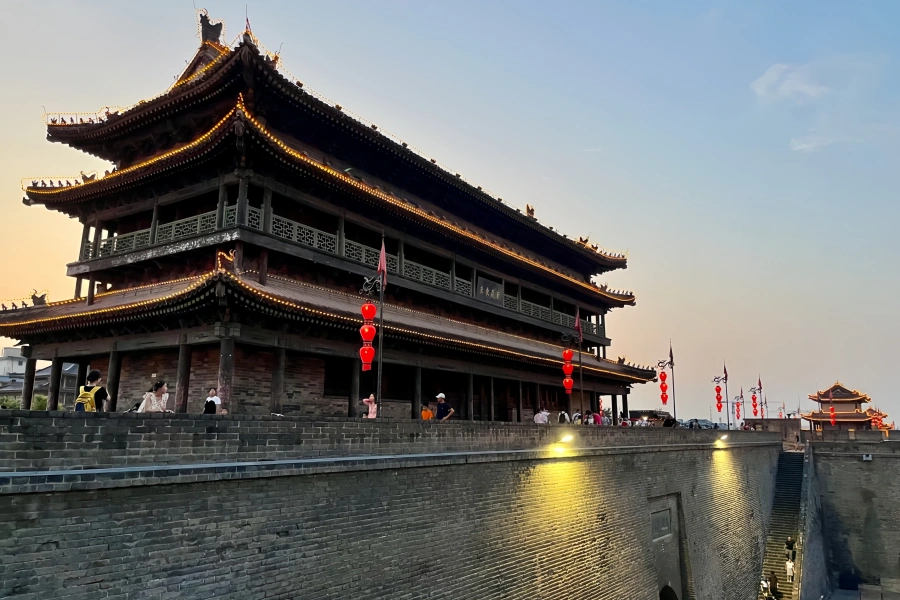
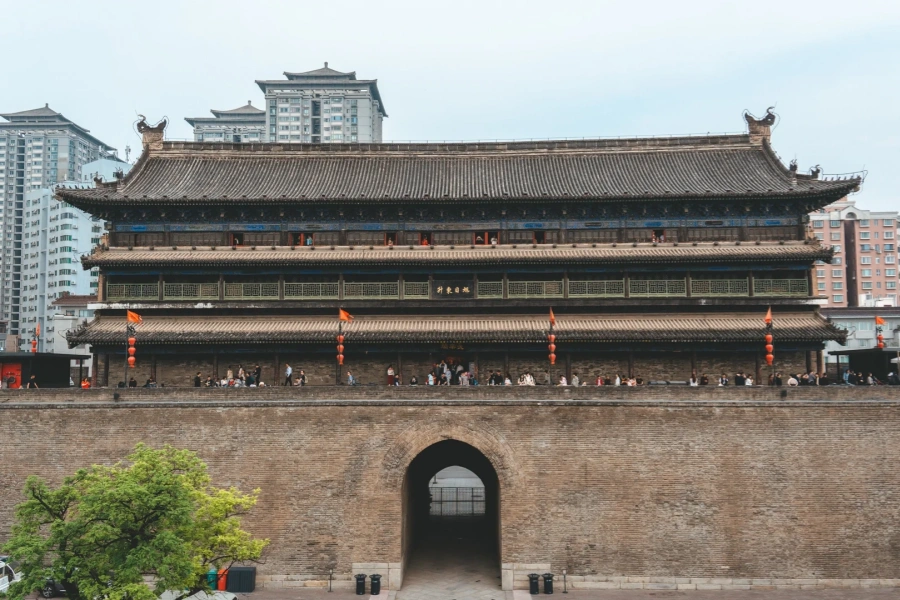
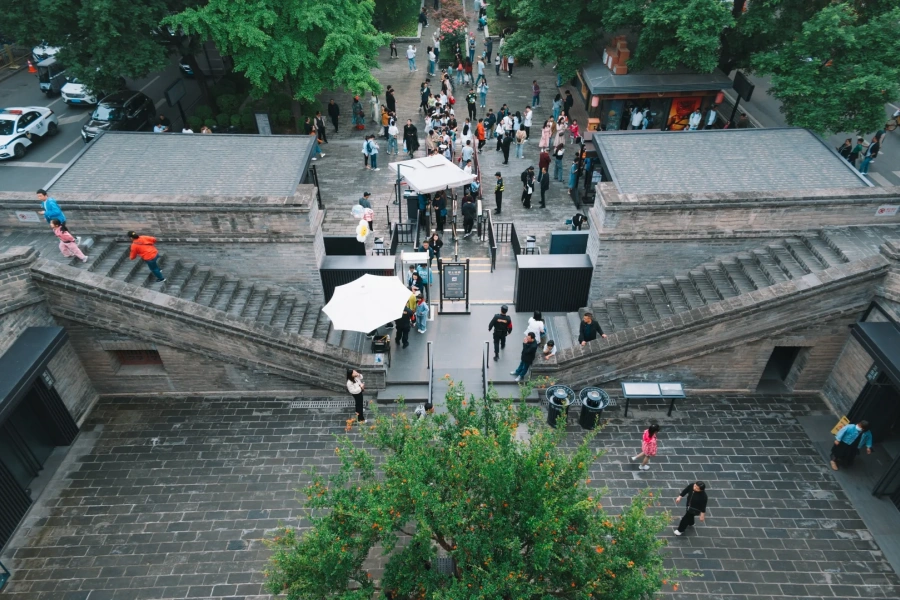
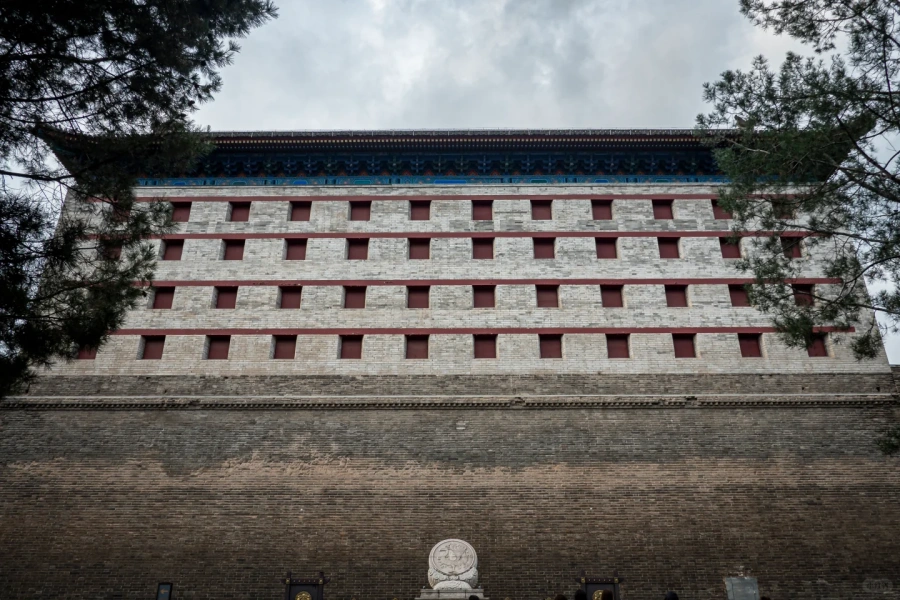
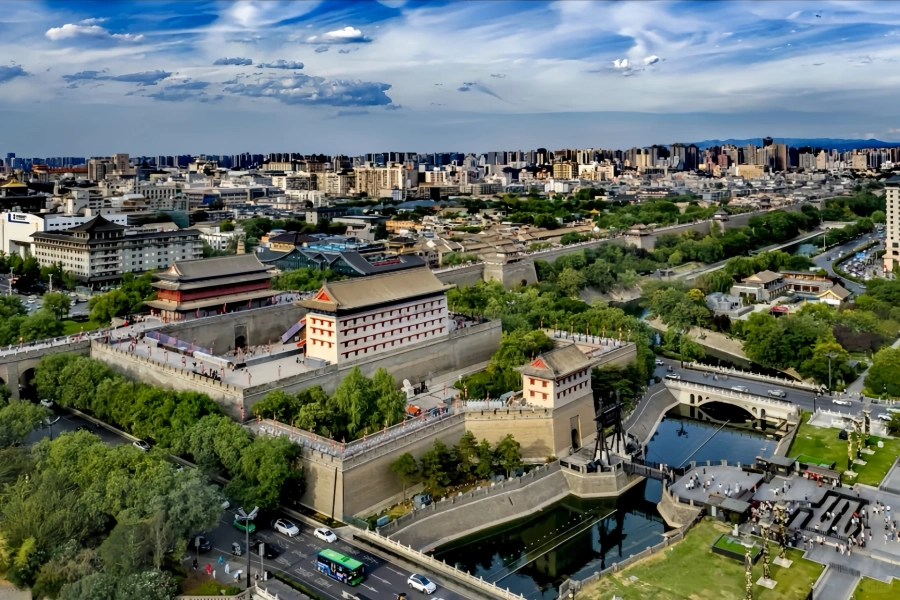
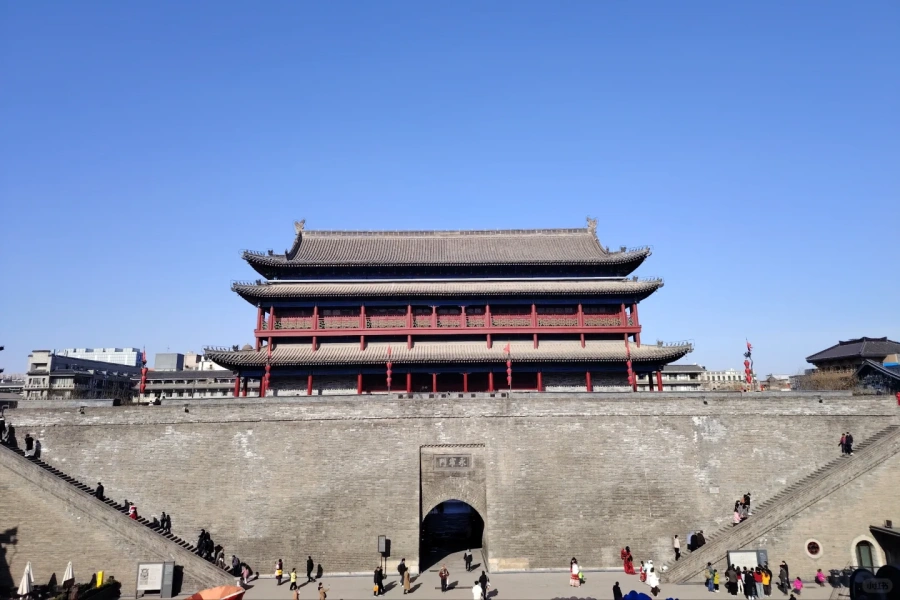
Approaching the city walls, you are first greeted by the moat. A drawbridge spanning the moat can be raised and lowered at any time, serving as the first line of defense. Beyond the drawbridge lies the gate tower, used for raising and lowering the drawbridge and for observation. Behind it are tall arrow towers, their outer walls riddled with arrow slits, allowing for a commanding view of the city gates. The innermost main building serves as the command post for the city gate defenses. The space between the arrow towers and the main building, enclosed by a wall, is called the "barbican." Once the enemy forces breach the first gate, the defenders can easily trap them and annihilate them from all sides. This three-in-one city gate defense system is truly breathtaking.
Ingenious city wall design: every part has a function.
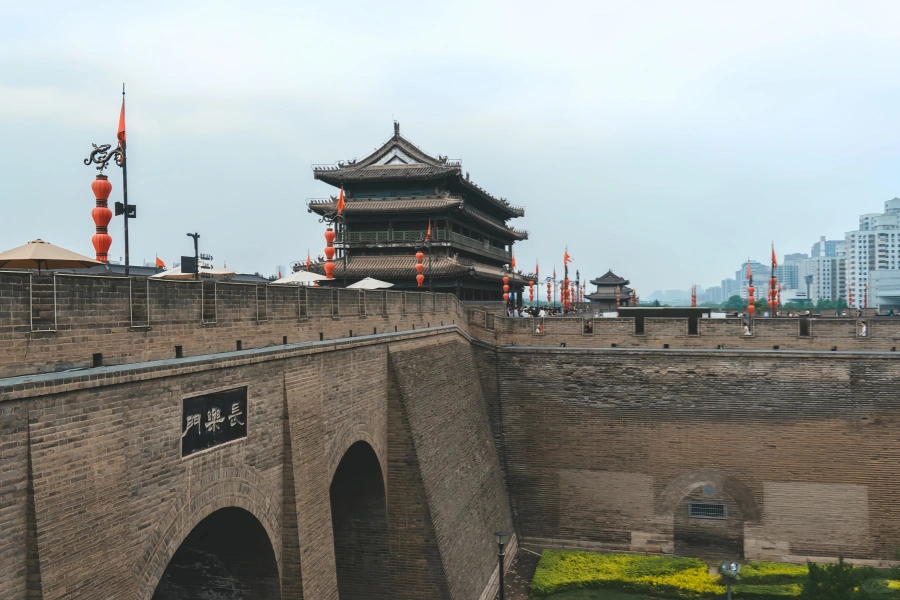
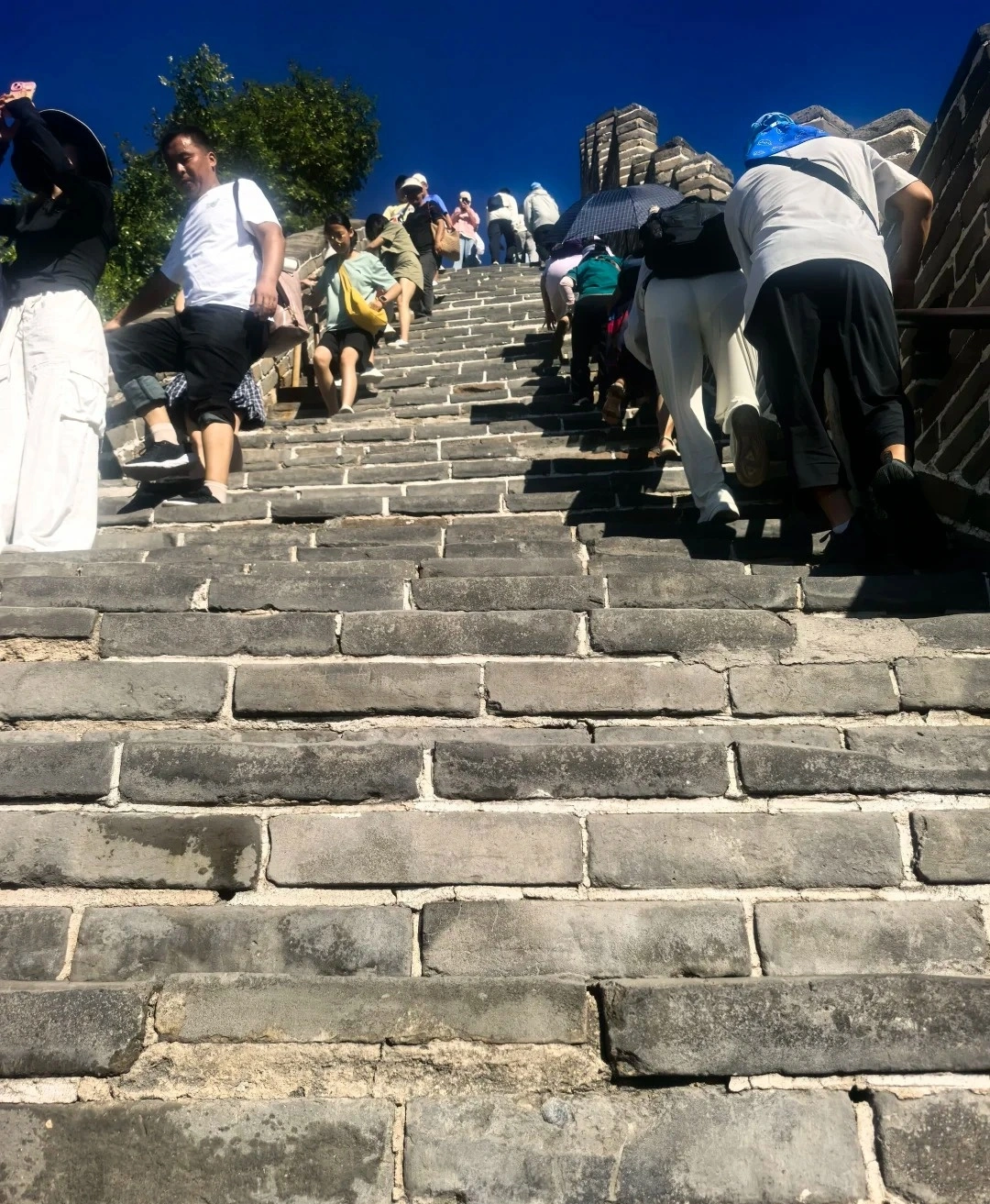
- Horse-faced towers and watchtowers: Every 120 meters or so along the outer side of the city wall, there is a trapezoidal platform protruding from the wall. Because it is long and narrow like a horse's face, it is called a "horse-faced tower." The 98 horse-faced towers eliminated blind spots under the city wall and could form crossfire, putting attackers in a vulnerable position. Today, 13 of the watchtowers on these horse-faced towers have been revitalized into themed cultural exhibition halls, becoming "blind boxes" for unlocking history.
- Parapet and crenellations: The low wall on the inner edge of the city wall is called the "parapet," which prevents the defenders from falling; the low wall on the outer edge is called the "crenellation," which has 5,984 crenellations for observation and shooting.
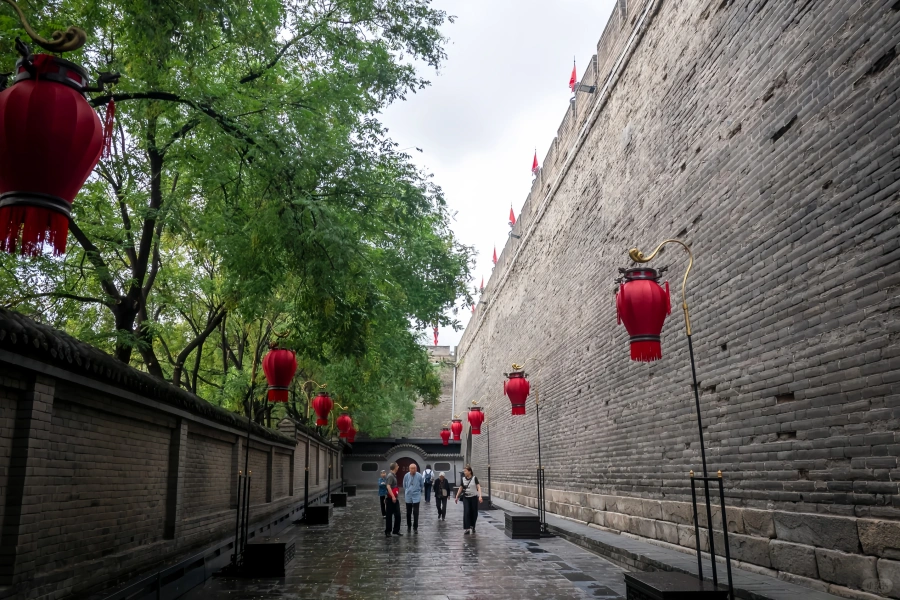
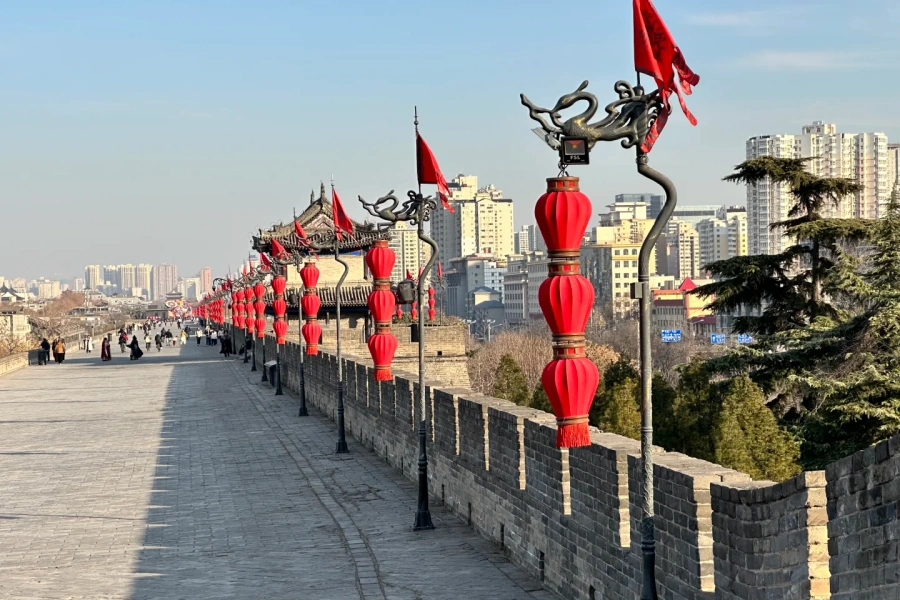
- Waterway and drainage channels: The top surface of the city wall is called the "waterway," which is paved with blue bricks. It is flat and wide, allowing multiple horse-drawn carriages to travel side by side. Stone drainage channels are installed at intervals along the inner wall to quickly drain rainwater and protect the wall structure.
The warmth of humanity—a cultural tapestry inlaid between bricks and stones
Today, the city wall is not only a carrier of history, but also a cultural living room full of life.
- Watchtower Culture Exhibition Complex (Must-try): This is one of the biggest highlights of the city wall tour. The 13 themed watchtowers are like a string of cultural pearls.
- Tile Culture Exhibition Hall (near Wenchang Gate): Displays precious replicas of tiles from the Warring States period to the Qin and Han dynasties, including the exquisite "Qin Phoenix Pattern Tile".
- Guanzhong Folk Art Exhibition Hall: Displays everyday items used by the people of Guanzhong in the past, full of warm local memories.
- Xi'an City Wall Brick Exhibition Hall: Unveiling the construction techniques of the city wall, the ancient inscriptions on those bricks are the "fingerprints" of craftsmen from hundreds of years ago.
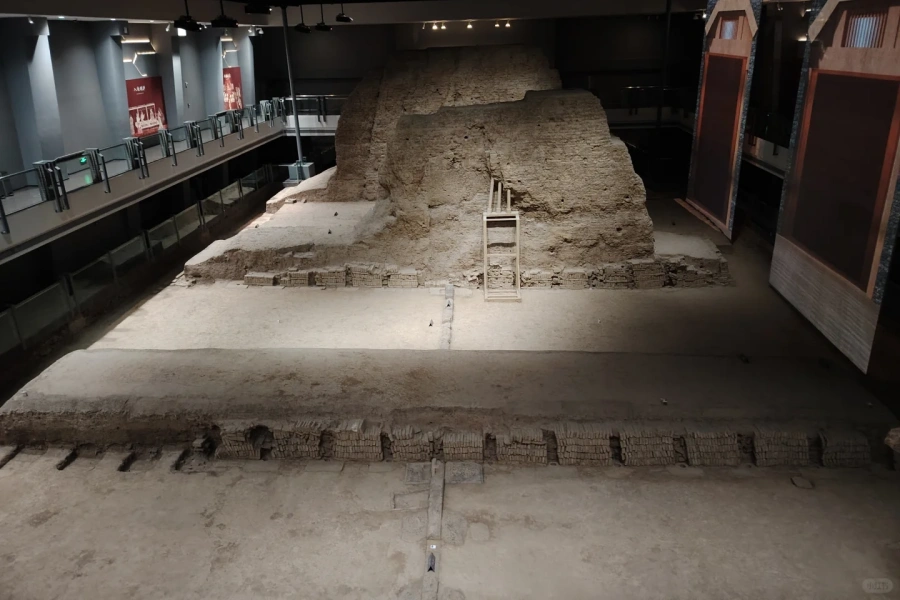
- Hanguang Gate Site Museum: This museum preserves the oldest part of the city wall—the Sui and Tang Dynasty Hanguang Gate site. Through the glass, you can directly see the rammed earth accumulations spanning several historical periods, a vivid example of "Ming Dynasty walls enclosing Tang Dynasty walls".
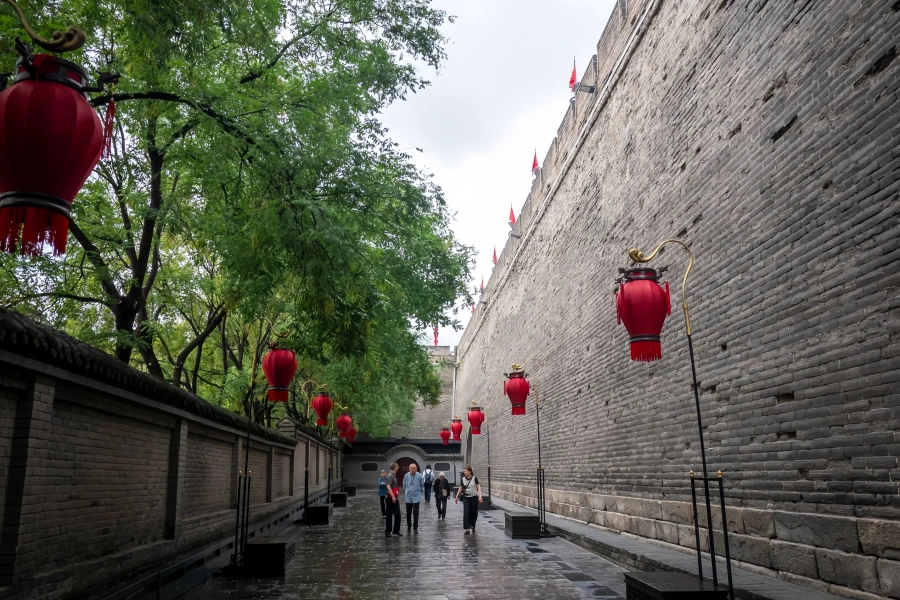
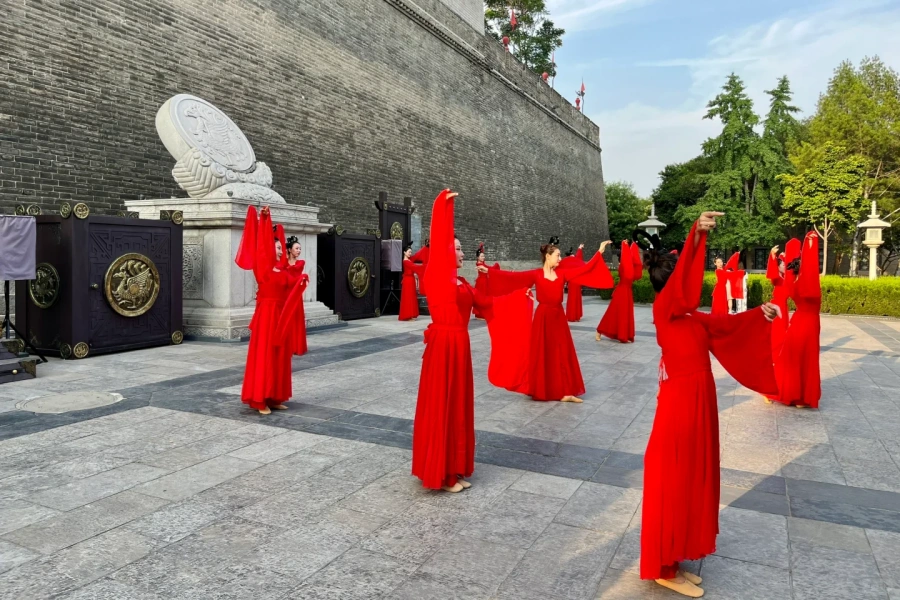
- Ring Park and Shuncheng Lane: Beneath the city wall and along the moat lies the sprawling Ring Park. It's a vibrant showcase for Xi'an residents, where morning exercises, strolls, and Qinqiang opera performances abound, brimming with local energy. Shuncheng Lane, nestled close to the city wall, is a collection of cafes, bookstores, and pubs, where the ancient and the modern engage in a tranquil dialogue.
Photography Tips:
> - Best panoramic shooting position: On the city wall, with the crenellations as the foreground, shoot the modern buildings inside the city (towards the clock tower) or outside the city. The effect of ancient and modern in the same frame is stunning.
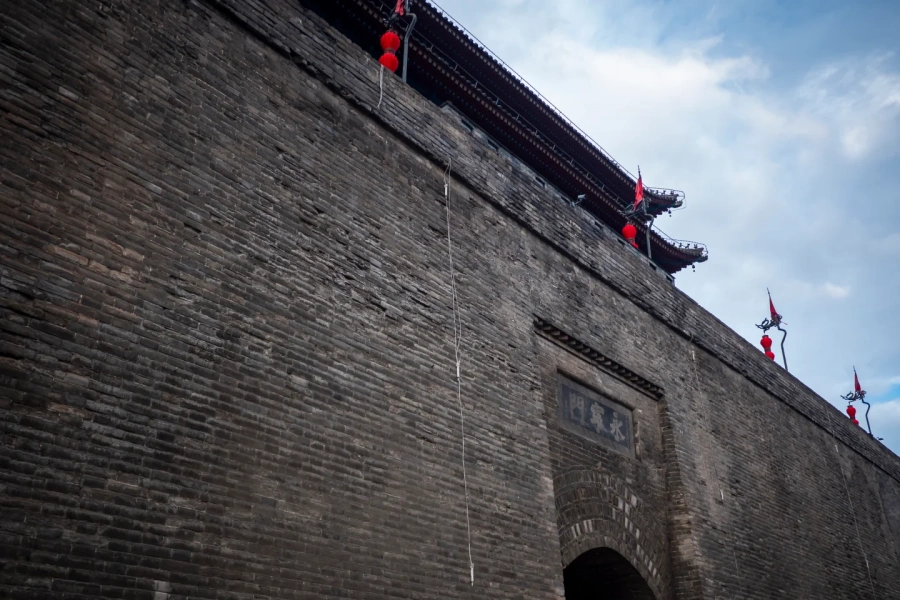
> - Architectural details: Focusing on a corner of the watchtower, the rusted door nails, and the mottled texture of the city bricks, the close-up shots are full of storytelling.
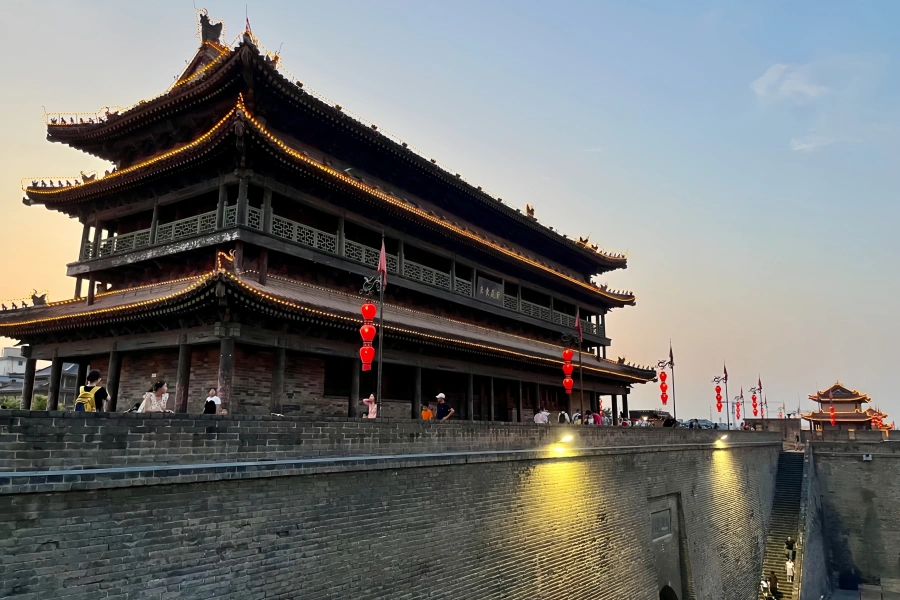
> - Must-Shoot Night Scene: After sunset, during the blue hour, the lights of Yongning Gate illuminate the city tower, creating a dazzling reflection in the moat—the perfect time for stunning photographs. Use a tripod for long exposures to capture the effect of light trails from passing cars encircling the ancient city.
> - Human Moments: The elderly playing chess in the city park and the musicians performing at the foot of the city wall are all heartwarming subjects for photography.