Nature's Creation—A Landscape Painting on Granite
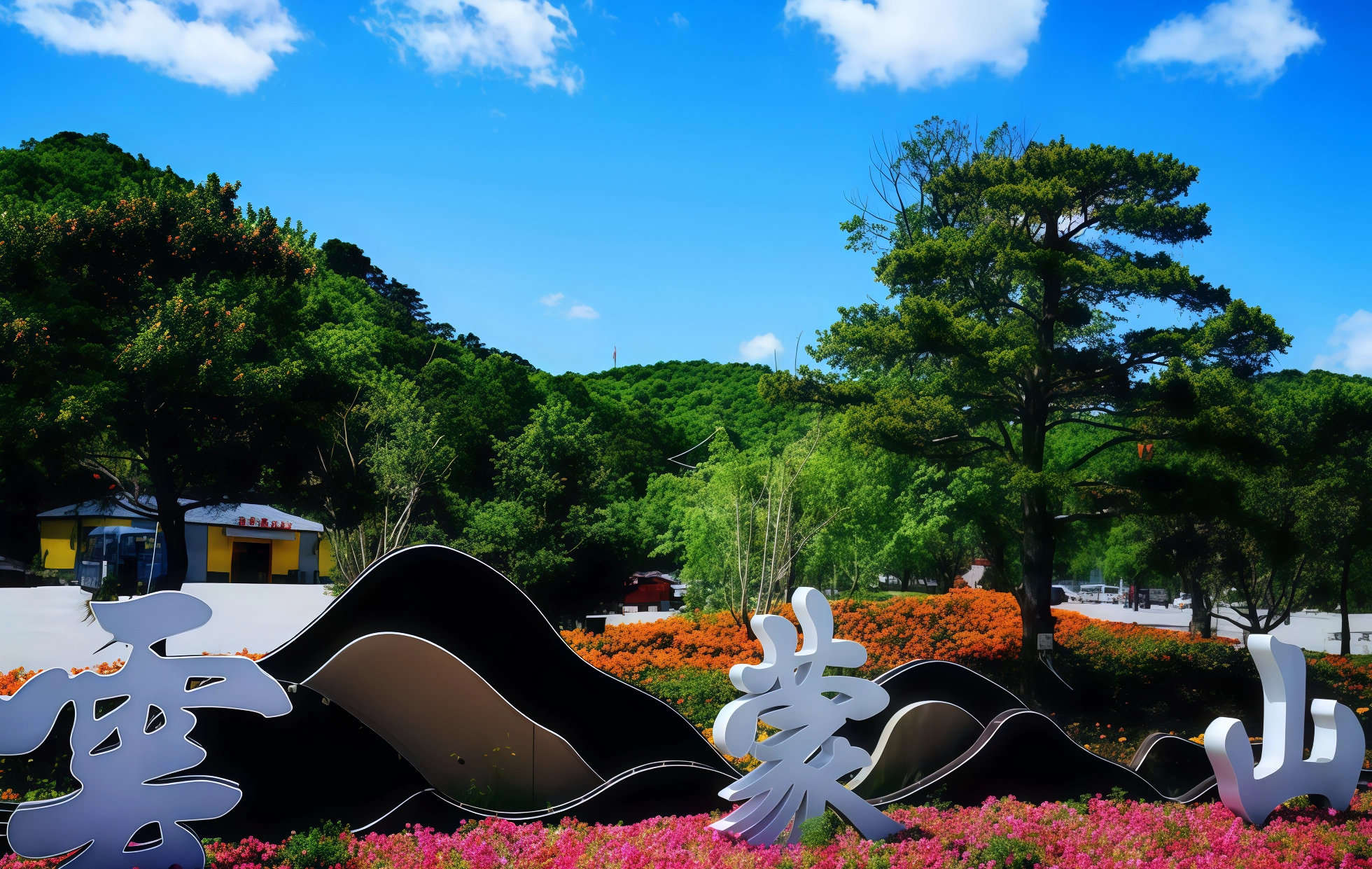
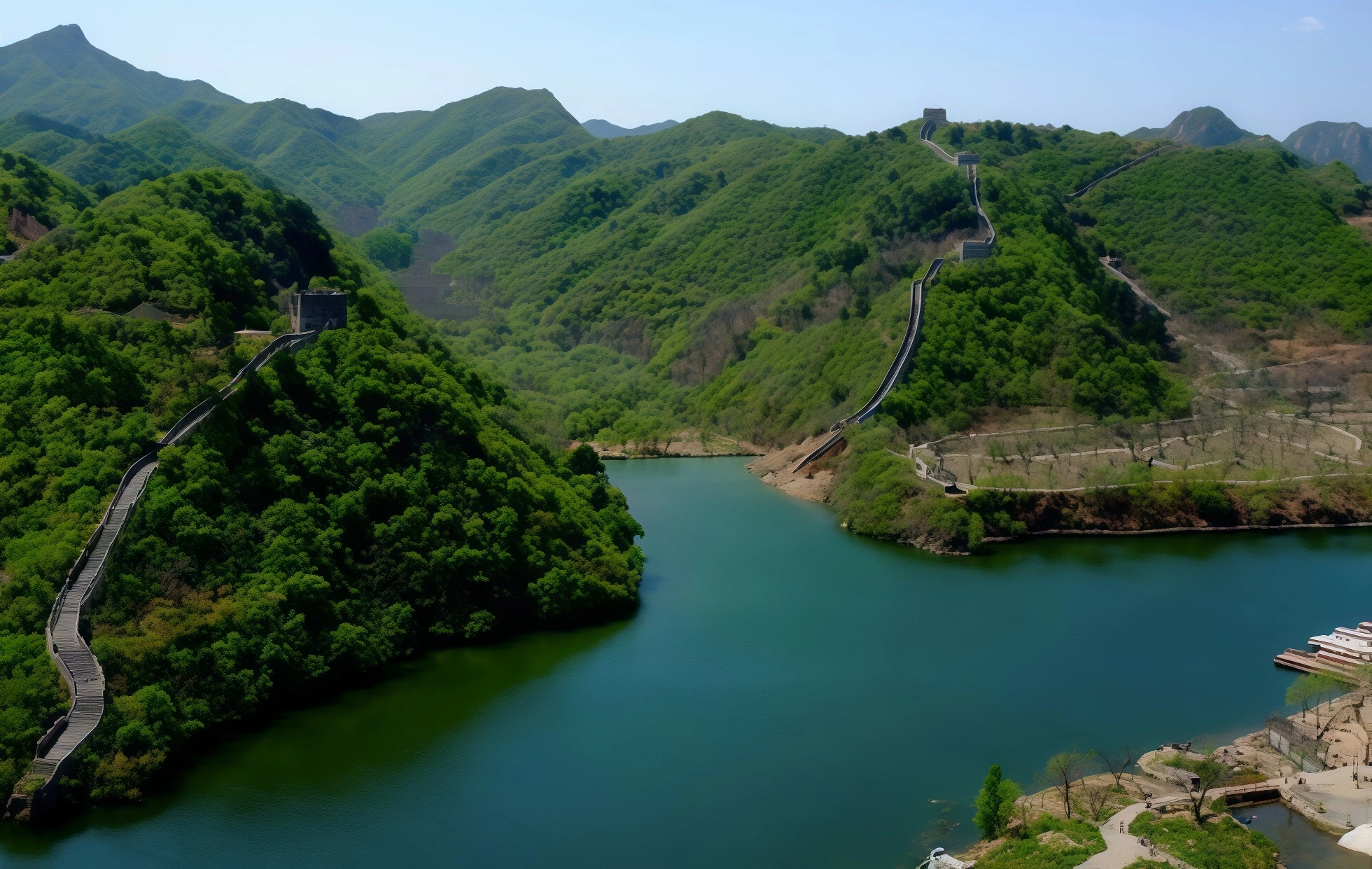
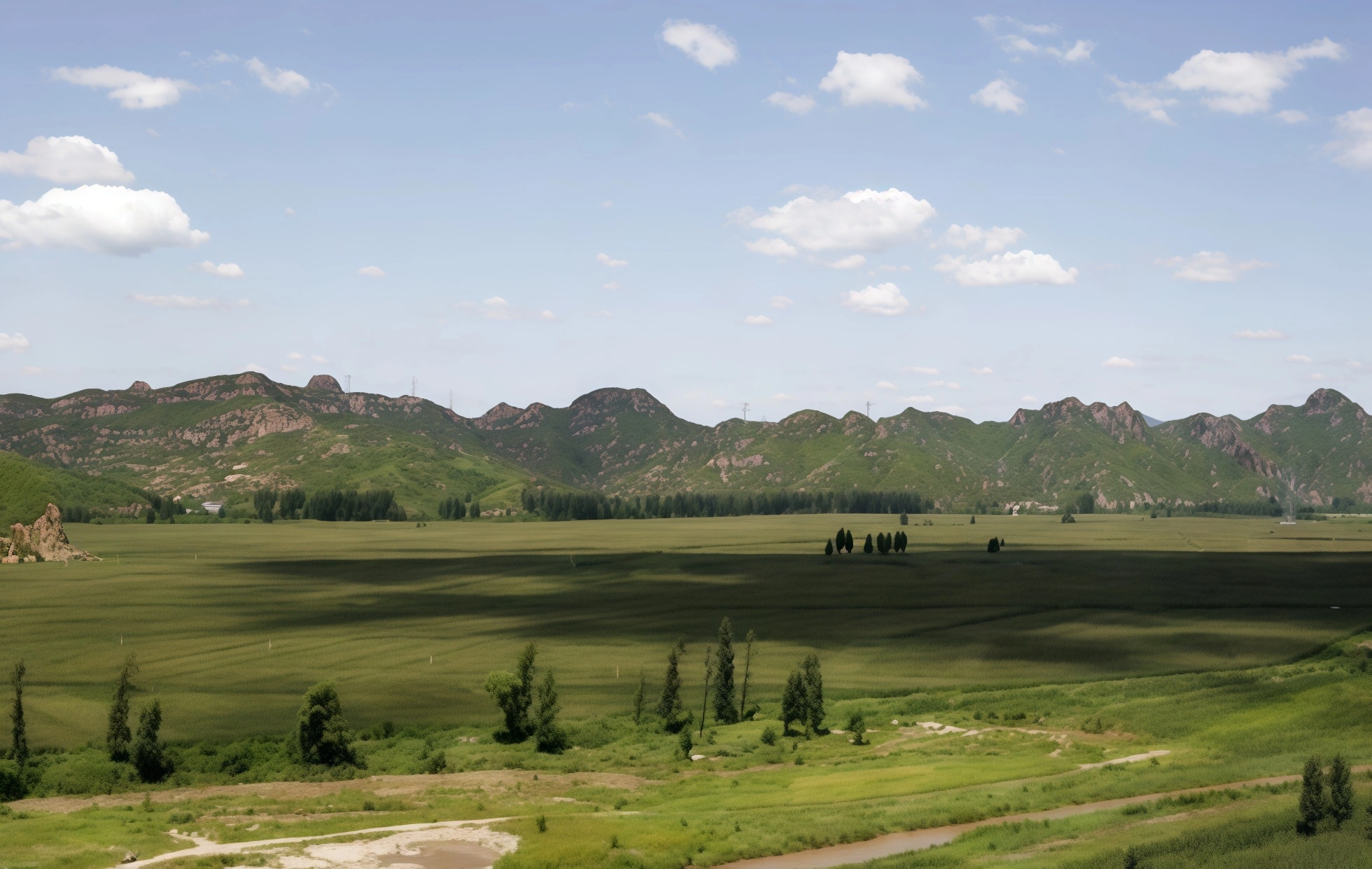
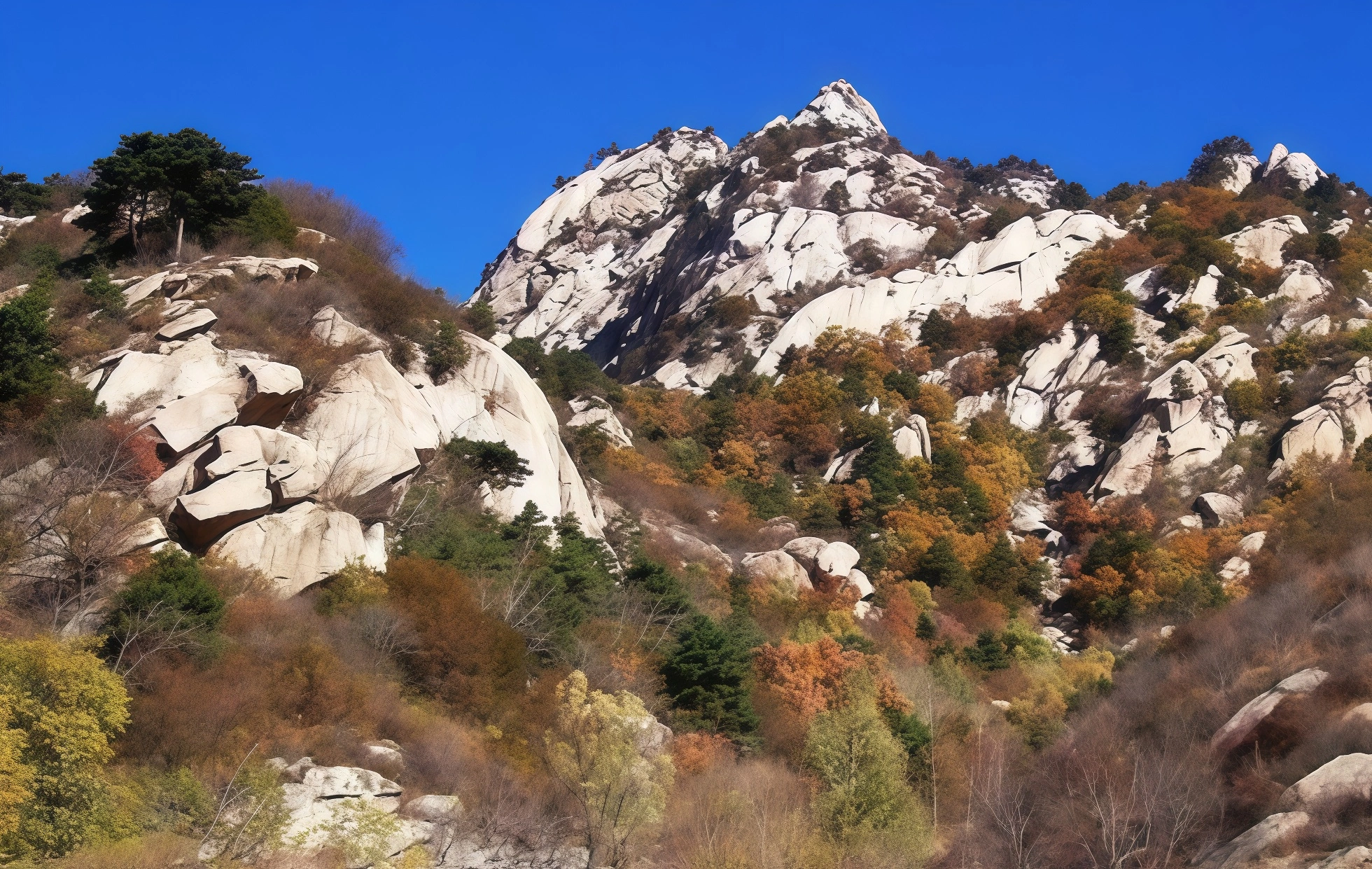
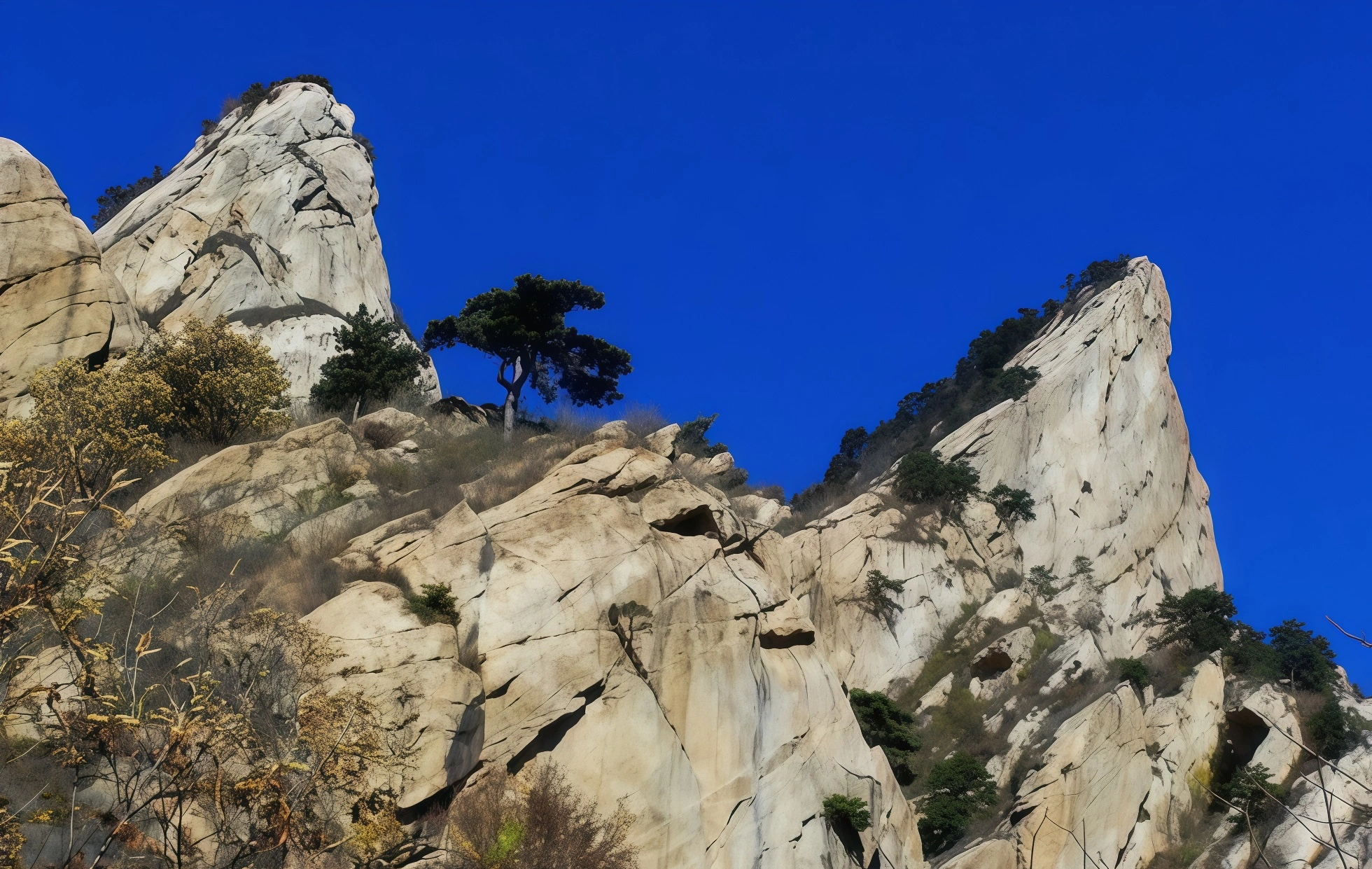
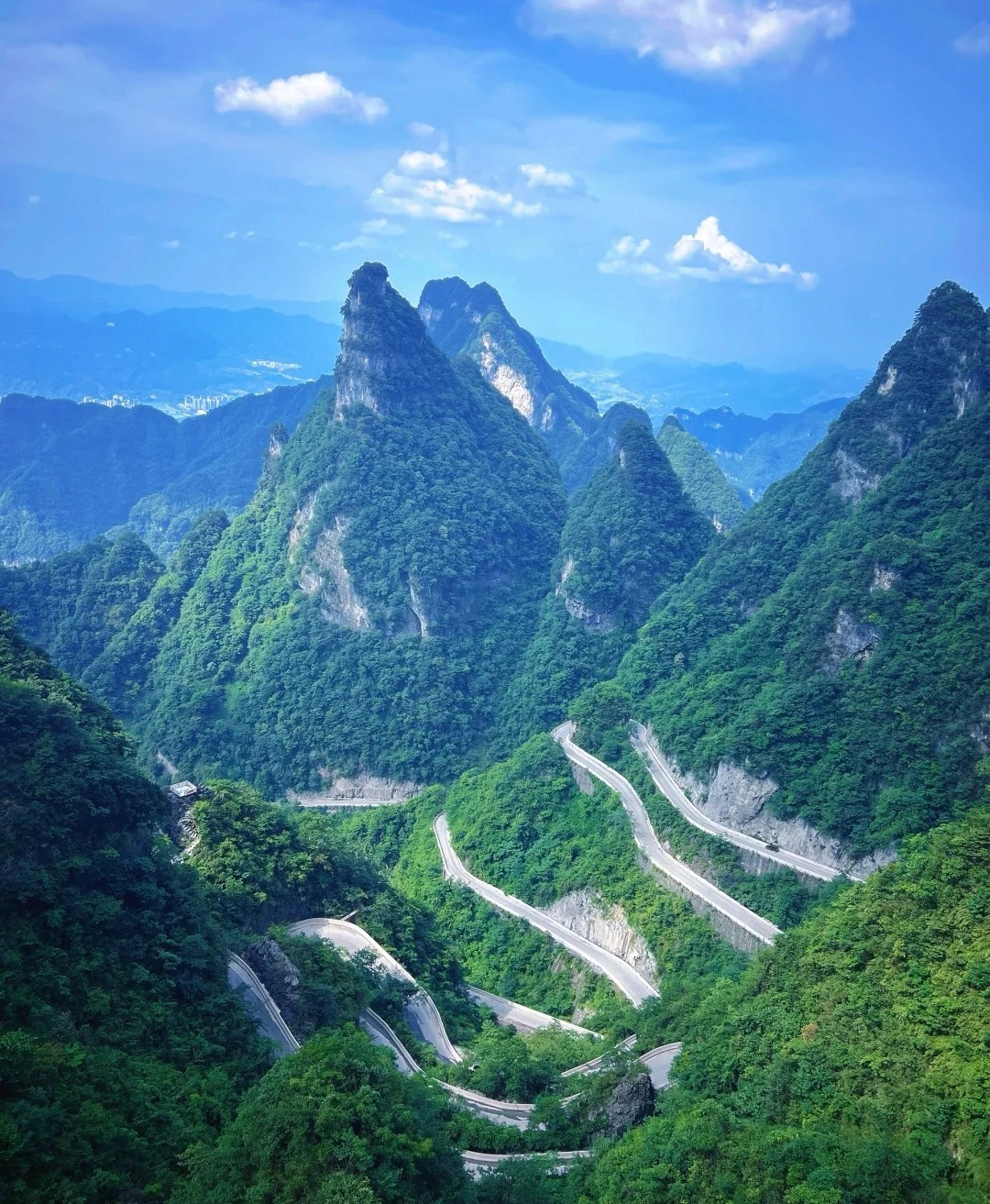
The natural landscape of Yunmeng Mountain is a quartet of stone, water, forest, and cloud. Yunmeng Mountain is known for its four abundances: many strangely shaped pines and rocks, many ancient caves and grottoes, many waterfalls and springs, and many auspicious trees and herbs.
Rugged Rocks: A Silent Epic of Hundreds of Millions of Years of Geology
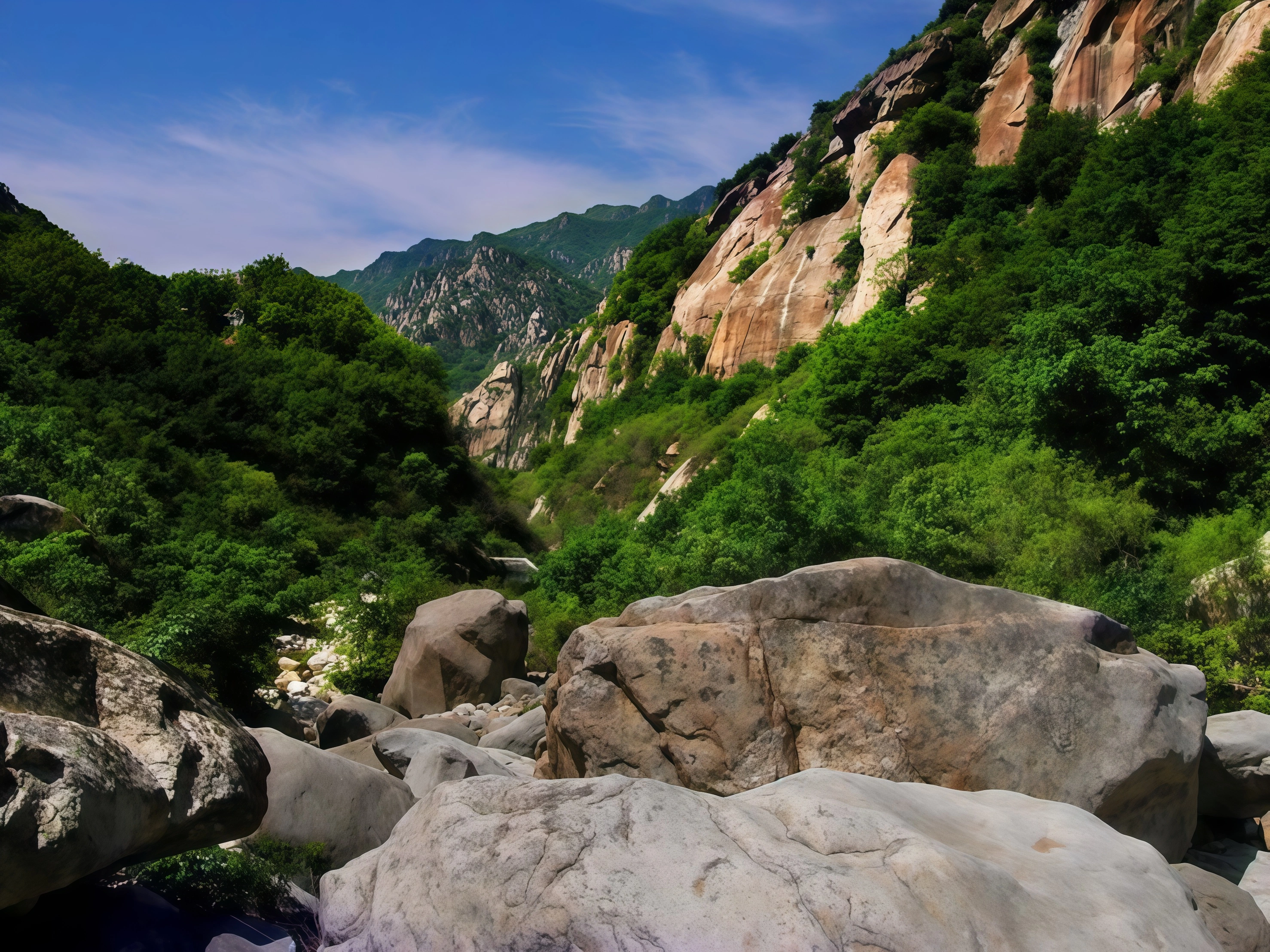
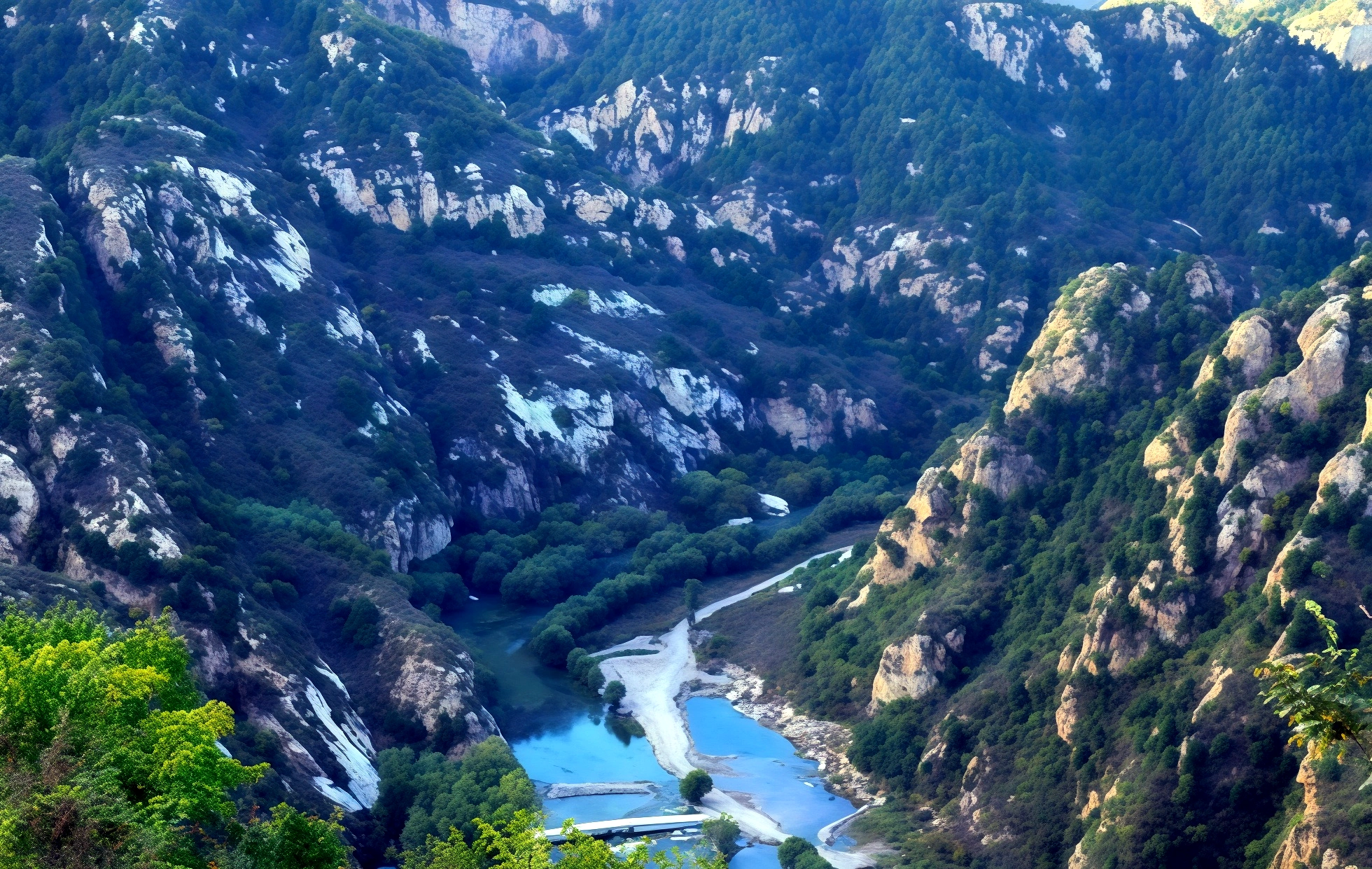
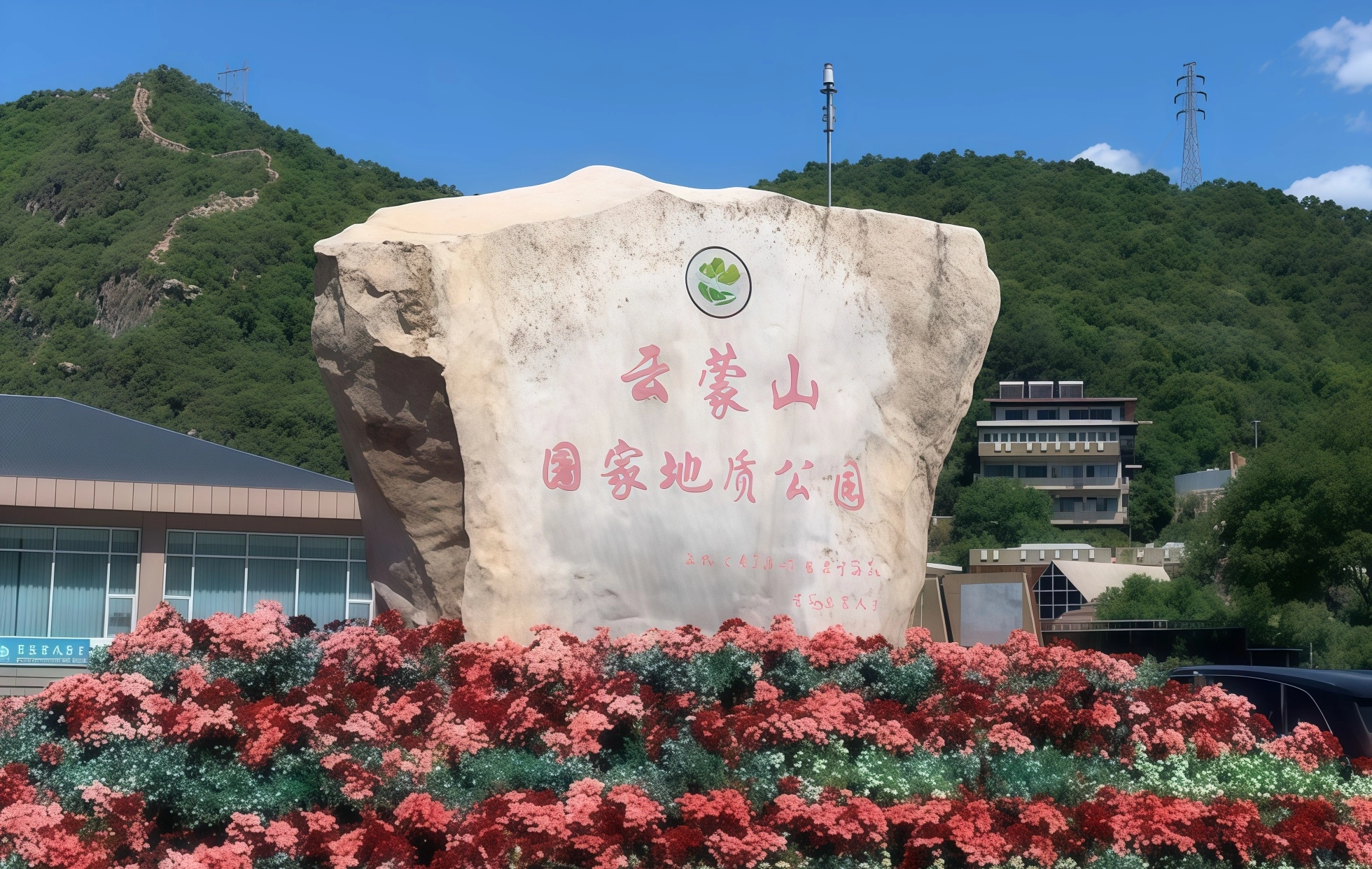
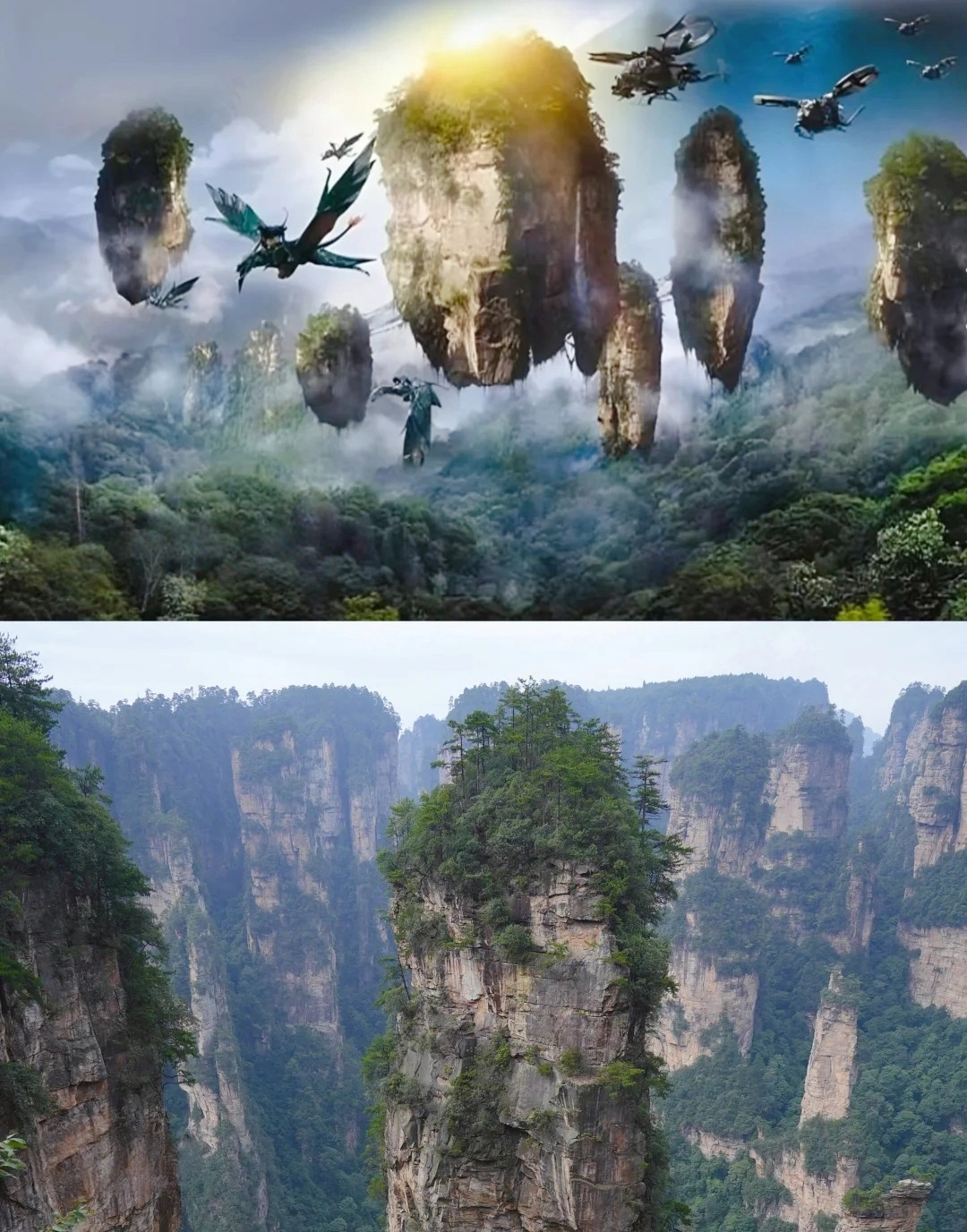
The Yunmeng Mountain is mainly composed of granite and metamorphic core complexes formed 113 million years ago, making it a famous national geological park in the Beijing area. Its unique metamorphic core complex structure is one of the three widely recognized metamorphic core complexes in my country.
- Guiguzi Peak and Shitu Mountain: Nature's masterful craftsmanship has sculpted peaks resembling a master and his disciples sitting opposite each other, adding a touch of human imagination to Yunmeng Mountain.
- Eagle Beak Rock: A landmark rock formation along the mountain trail, shaped like an eagle gazing down over the canyon.
- Strange Rock Formation: Along the hiking trail, you'll find boulders of various shapes, some resembling a celestial dog guarding a gate, others a divine turtle exploring the sea—a natural classroom for families to stimulate their imaginations.
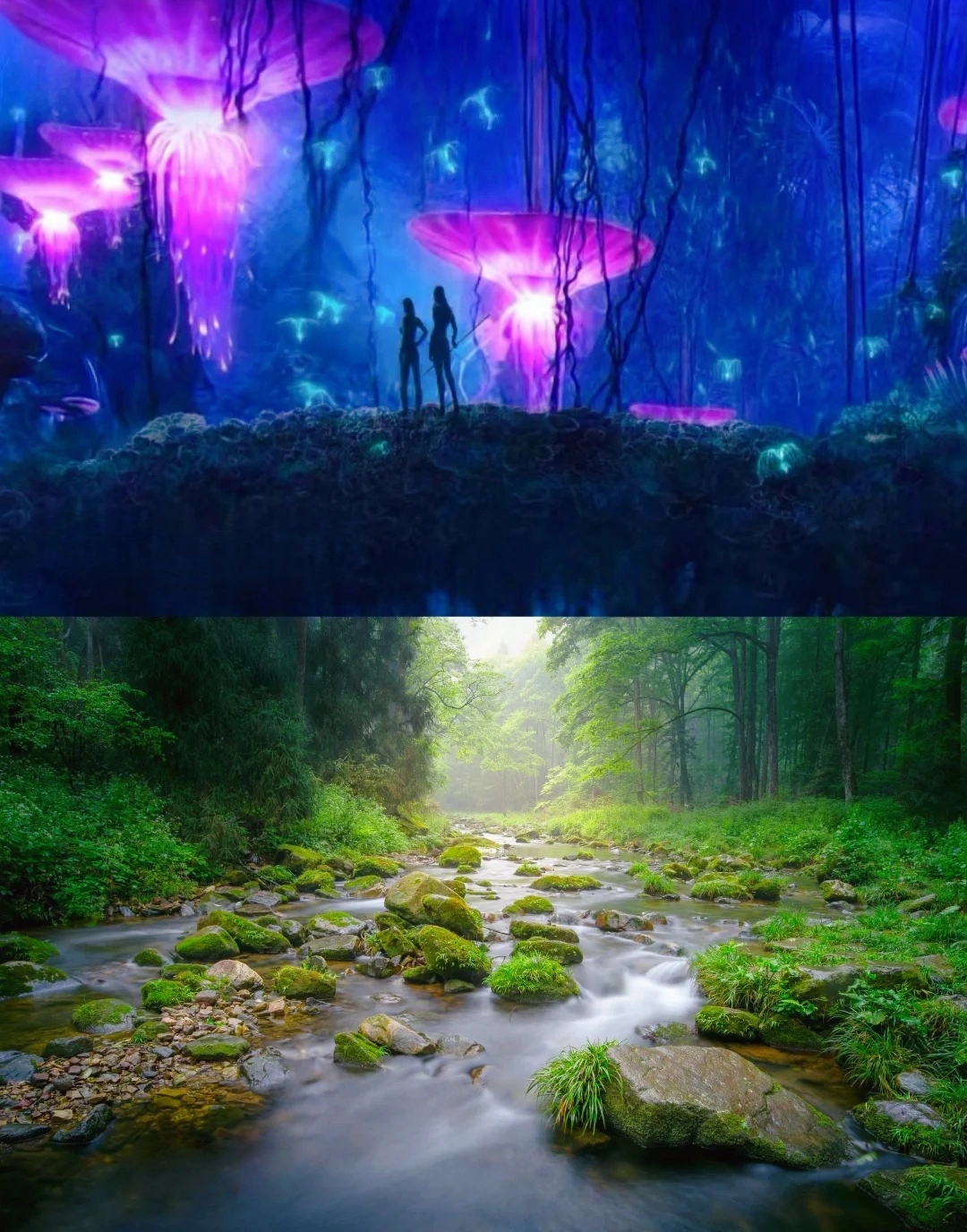
- Flowing Water: The lifeblood of the canyon. Yunmeng Mountain boasts abundant water resources, with waterfalls and springs scattered throughout the valley.
- Cleansing Pool: The first scenic spot at the start of the hike, a clear spring gushes from between the rocks, its water crystal clear. Legend has it that this was the place where ancient people cleansed themselves before entering the mountain for pilgrimage. In summer, a handful of the clear spring water instantly washes away the heat.
- Tiger Bathing Pool and Lotus Pool: Along the stream, numerous pools and waterfalls of varying sizes are scattered throughout. Tiger Bathing Pool has a mirror-like surface, while Lotus Pool's ripples resemble lotus blossoms.
- Yunmeng Sacred Spring: At an altitude of 1310 meters on the main peak, there is a "Yunmeng Sacred Spring" that flows year-round. Legend has it that this spring existed since the Ming Dynasty, but disappeared due to war. It was rediscovered in 2004, providing a precious water source for mountaineers.
Hidden Greenery: A Breathing Forest Oxygen Chamber Yunmeng Mountain boasts a 95% forest coverage rate, all of which is natural secondary forest, making it one of the best-preserved primary and secondary forest areas in North China. It is home to 824 plant species and 113 species of wild terrestrial vertebrates.
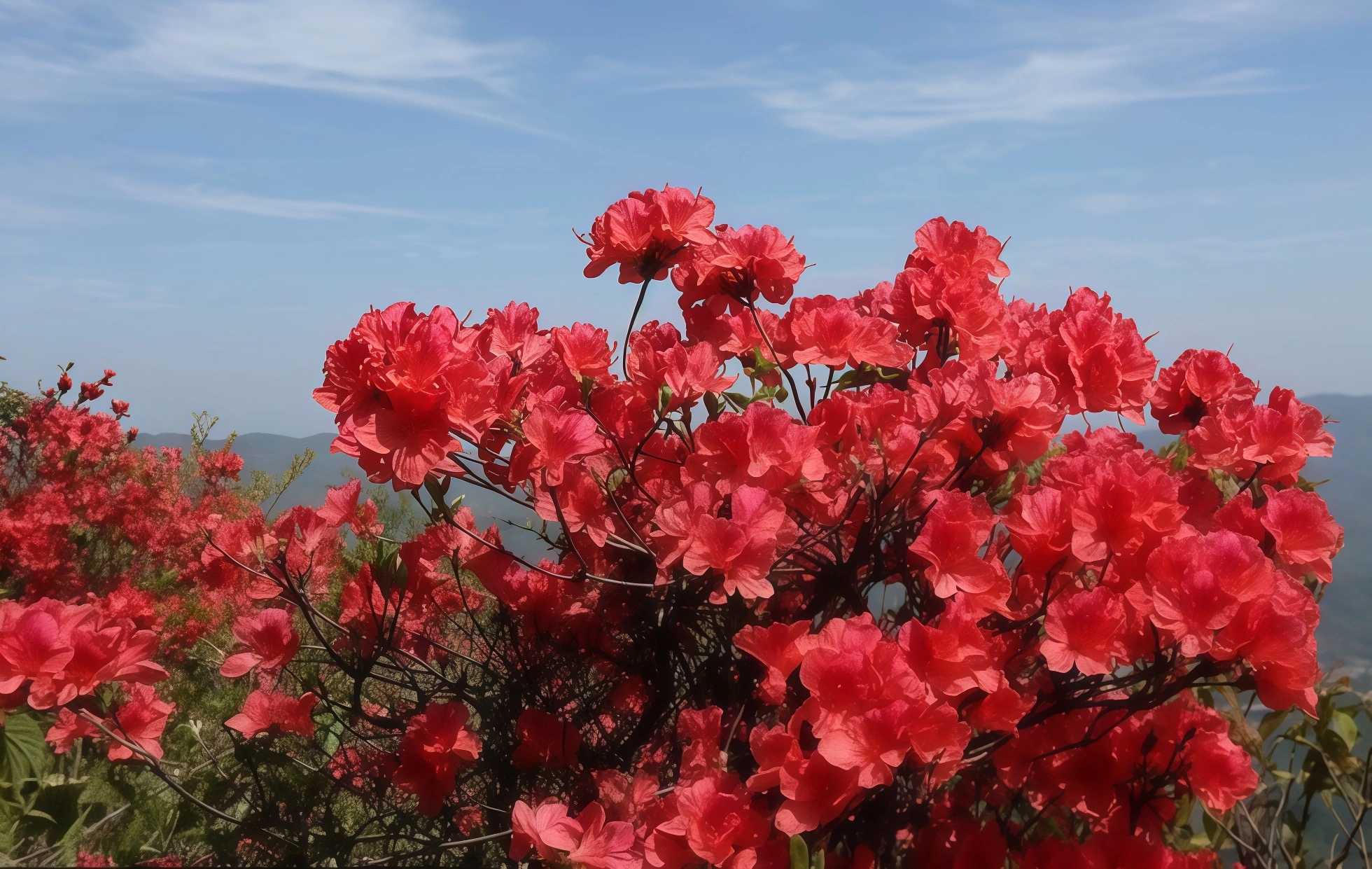
- Alpine Rhododendrons: Yunmeng Mountain is one of the areas in Beijing with the widest distribution and largest number of alpine rhododendrons. From late April to mid-May each year, the rhododendrons and primeval forests create a breathtaking spectacle.
- Forest Bathing Area: Strolling through the forest, the fragrance of pines and cypresses is invigorating. Measurements show that the concentration of negative oxygen ions in the upper atmosphere of Yunmeng Mountain is 12 times higher than in cities, making it a true "natural oxygen chamber."
- Birch Forest: At altitudes above 1000 meters, vast stretches of birch forests stand tall and elegant, turning golden in autumn, a favorite spot for photographers.
The Enchanting Clouds: The Soul of the Northern Little Huangshan
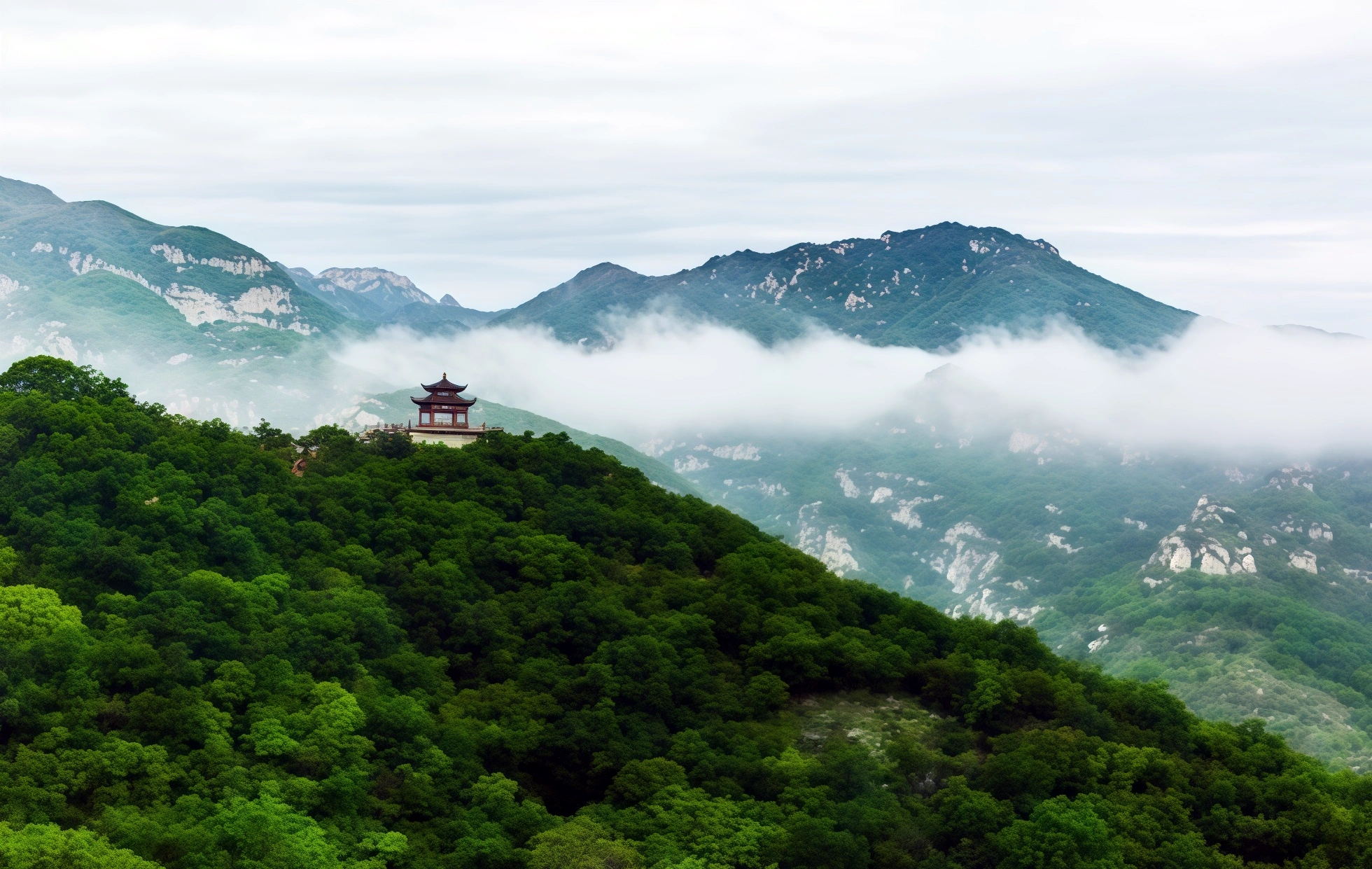
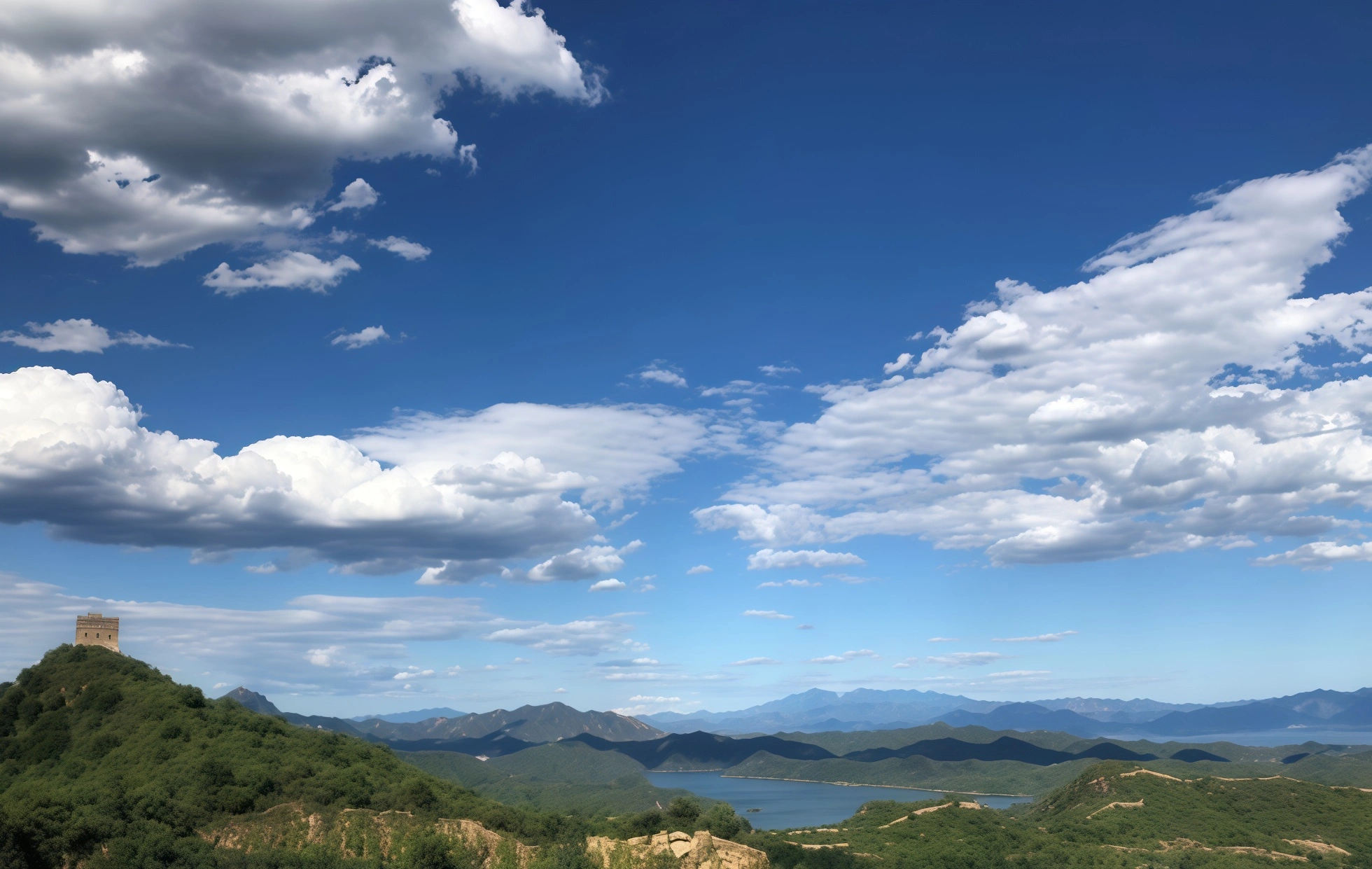
The name "Yunmeng" originates from its ever-changing cloud and mist landscape. After rain or at dawn, clouds and mist rise from the valleys, making the peaks appear and disappear in the sea of clouds, like a fairyland. The sea of clouds weaving through the colorful forests in autumn is particularly spectacular.
> Photography Tips: The main peak viewing platform is an excellent spot for photographing the sunrise over the sea of clouds; From Jing Shen Chi (Cleansing Pool) to Yingzui Stone, you can capture the stream and strange rocks in the same frame; In autumn, the Walnut Stream area is ablaze with color, perfect for shooting vibrant photos; The birch forests on both sides of the wooden boardwalk are ideal for forest-themed portraits.
Humanistic Ingenuity—Civilization Imprints Hidden in the Mountains
Yunmeng Mountain is not only a gift of nature but also a repository of human culture.
- Sun Bin Temple Ruins: Located near the main peak, it was first built in the Ming Dynasty. Records indicate that before liberation, Taoist priests still lived in the temple, and the temple fairs were very lively. The ruins still stand, their stone foundations and crumbling walls telling tales of past incense offerings. A sacred spring once flowed before the temple, but disappeared; the "Yunmeng Sacred Spring," rediscovered in 2004, is said to be located nearby.
- Guiguzi Mountain Village and Guigu Peak: Legend has it that this was where Guiguzi lived and taught. The mountain is steep, shrouded in mist, and imbued with mystery.
- Huaigu Stone Houses and Old Village Ruins: Along the hiking trail, one can see the remains of stone houses once inhabited by early settlers, as well as the ruins of an old village. Research suggests that mountain people once lived here for generations, making a living by hunting. Walking through these areas feels like conversing with history.
- Lengfengdianliangtou: A central node in the Yunmeng Mountain traverse, it was once a vital route for mountain people and is now an important supply point for hikers.
> Cultural Exploration: The Sun Bin Temple ruins are near the wooden walkway at the foot of the main peak; pay attention to the signs.
Guiguzi Peak can only be truly appreciated from the main peak viewing platform.
Near the Huaigu Stone House is a spring that is still drinkable, but boiling is recommended.