
Exploring China’s Taoist Heritage: Must-Visit Sites & Essential Travel Tips for Foreign Visitors
1. Introduction to Taoism in China
Taoism, a philosophical and religious tradition rooted in ancient China, emphasizes harmony with nature, spiritual balance, and the pursuit of longevity. Its influence permeates Chinese culture, from art and literature to traditional medicine. For travelers seeking to connect with this profound heritage, visiting Taoist temples and sacred mountains offers a unique glimpse into China’s spiritual landscape. Below, discover iconic Taoist destinations and practical advice for a respectful, enriching journey.
2. Top Taoist Sites to Visit in China
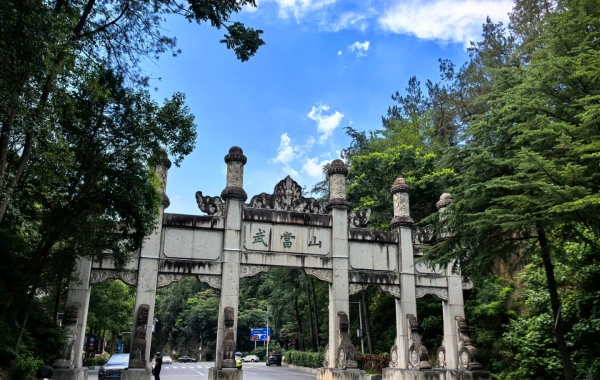
a. Wudang Mountains (Hubei Province)
Renowned as the birthplace of Taoist martial arts (Wudang Tai Chi), this UNESCO World Heritage Site features 72 peaks, ancient temples, and serene monasteries. The Golden Summit (Tianzhu Peak) is a highlight, offering panoramic views and a sacred Taoist altar.
- Pro Tip: Wear comfortable shoes for hiking; some trails are steep but rewarding.
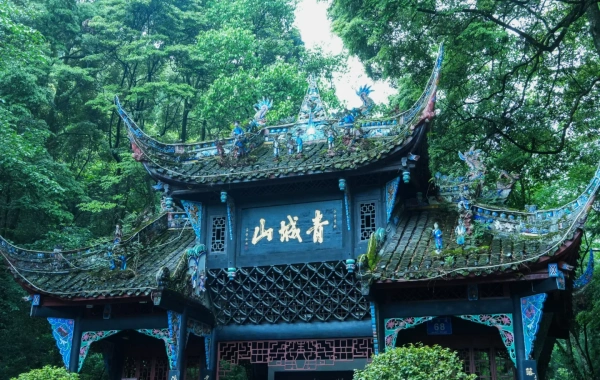
b. Mount Qingcheng (Sichuan Province)
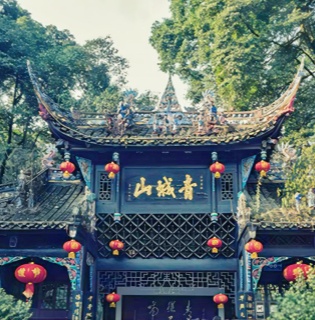
Dubbed the “Most Peaceful and Secluded Mountain” in China, Mount Qingcheng is divided into the Front Mountain (home to temples like Tianshi Cave) and the Back Mountain (a wilderness area for advanced hikers). Its lush forests and misty peaks create an otherworldly atmosphere.
- Note: The Back Mountain is less developed; bring water and snacks.
c. White Cloud Temple (Beijing)
Located in the scenic Xiangshan Park, this 1,200-year-old temple complex is a hub for Taoist rituals and meditation. Visitors can explore colorful pavilions, incense-filled halls, and a tranquil courtyard garden.
- Access: Open to the public; photography is allowed except in inner sanctuaries.
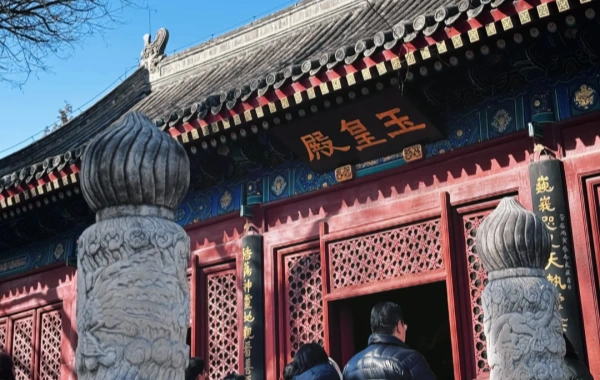
d. Longhu Mountain (Jiangxi Province)
Known as the “Cradle of Taoism,” Longhu Mountain combines dramatic cliffs, sacred caves, and the Tianshi Fu (Celestial Master’s Mansion), the historic seat of Taoist leadership. The Luyuan Lake adds a serene touch.
- Warning: Some caves are closed seasonally; check ahead.
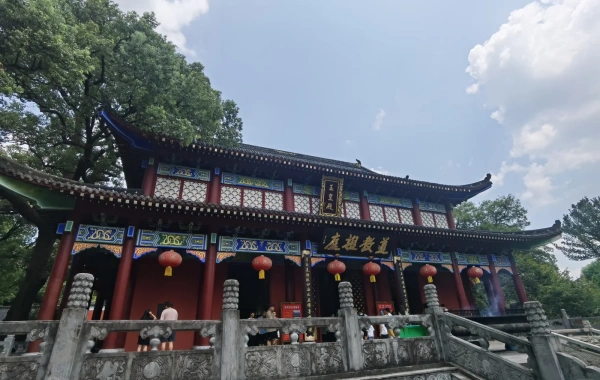
3. Cultural Etiquette & Restrictions for Foreign Visitors
a. Dress Code & Behavior
- Respectful Attire: Avoid revealing clothing (e.g., shorts, sleeveless tops) inside temples. Remove hats and sunglasses when entering sacred areas.
- Quiet Conduct: Maintain silence in prayer halls; avoid loud conversations or phone calls.
- No Touching: Refrain from touching statues, relics, or ritual objects unless permitted.
b. Photography Rules
- Allowed Areas: Most temples permit photography in courtyards and public spaces.
- Prohibited Zones: Never photograph inner sanctuaries, altars, or monks/nuns during rituals without explicit consent.
- Flash Off: Turn off flash to preserve ancient murals and artifacts.
c. Restricted Access Areas
- Monastic Quarters: Some temples have private living areas for clergy; these are off-limits to visitors.
- Ceremonial Sites: During Festivals or rituals, certain halls may close temporarily. Follow signs or staff instructions.
- Mountain Trails: Parts of Mount Hua, Wudang, and other mountains may close due to weather or safety concerns. Check local advisories before hiking.
d. Offerings & Donations
- Incense Etiquette: If lighting incense, use three sticks (a symbolic Taoist number). Place them gently into the burner; do not wave them wildly.
- Donations: Small cash gifts are appreciated but not mandatory. Avoid placing money directly on altars; use designated donation boxes.
4. Practical Tips for a Smooth Trip
- Guided Tours: Hire a local guide (preferably English-speaking) to navigate cultural nuances and history.
- Timing: Visit early mornings or weekdays to avoid crowds; weekends and holidays can be busy.
- Language: Learn basic Mandarin phrases (e.g., “hello” nǐ hǎo, “thank you” xièxiè) to show respect.
- Transport: Use official taxis or ride-hailing apps (e.g., Didi) in cities; for remote sites, book private transfers.
5. Conclusion: Embrace the Taoist Spirit
China’s Taoist sites offer far more than scenic beauty—they invite reflection, tranquility, and a deeper connection to ancient wisdom. By respecting local customs and heeding restrictions, you’ll not only protect these sacred spaces but also enrich your own journey. Whether hiking a misty mountain or meditating in a temple courtyard, let the spirit of Taoism guide you toward harmony and awe.



Contact Us
What Our Clients Say?
Based on 10,000+ traveler reviews

Daniel Dorothea
Canada
Reviewed on April 29,2025
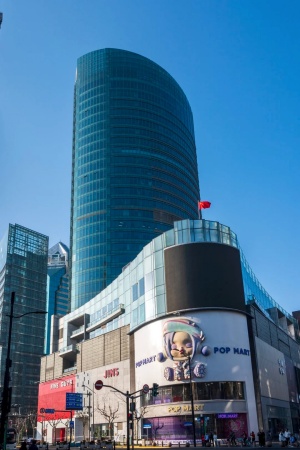
Shopping on Nanjing Road in Shanghai was just amazing! It's truly the "First Commercial Street of China", where tradition and modernity blend perfectly. You can find awesome souvenirs and experience the trendy vibes in cool stores. The neon lights at night are just spectacular, shining bright like Times Square in New York. The food here is incredible too. I had a feast for my taste buds. Shanghai, I'll definitely be back!
Destination(s):
Shanghai
Date of
Experience:
May 08,2024

Elvis Eva
Canada
Reviewed on June 20,2025
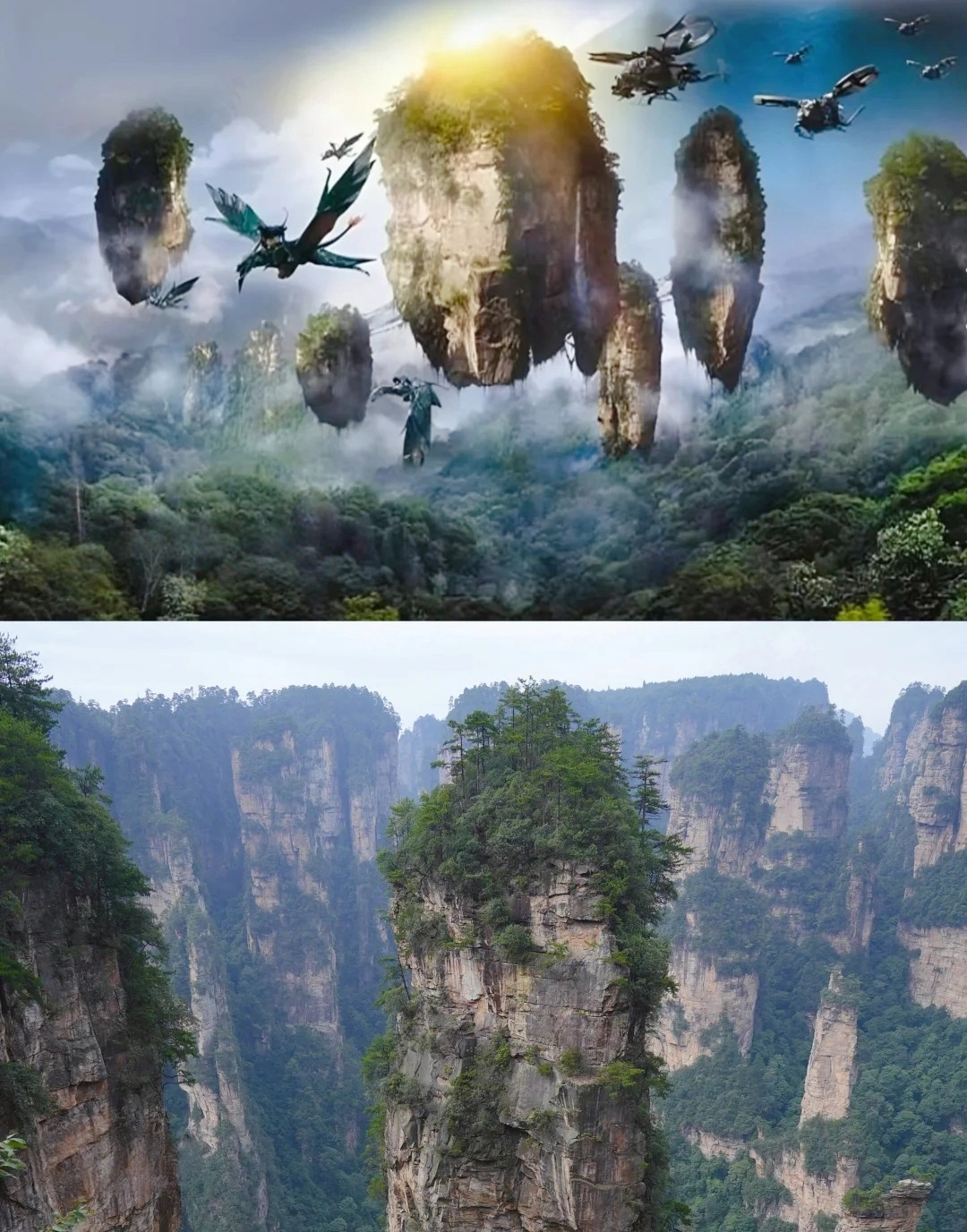
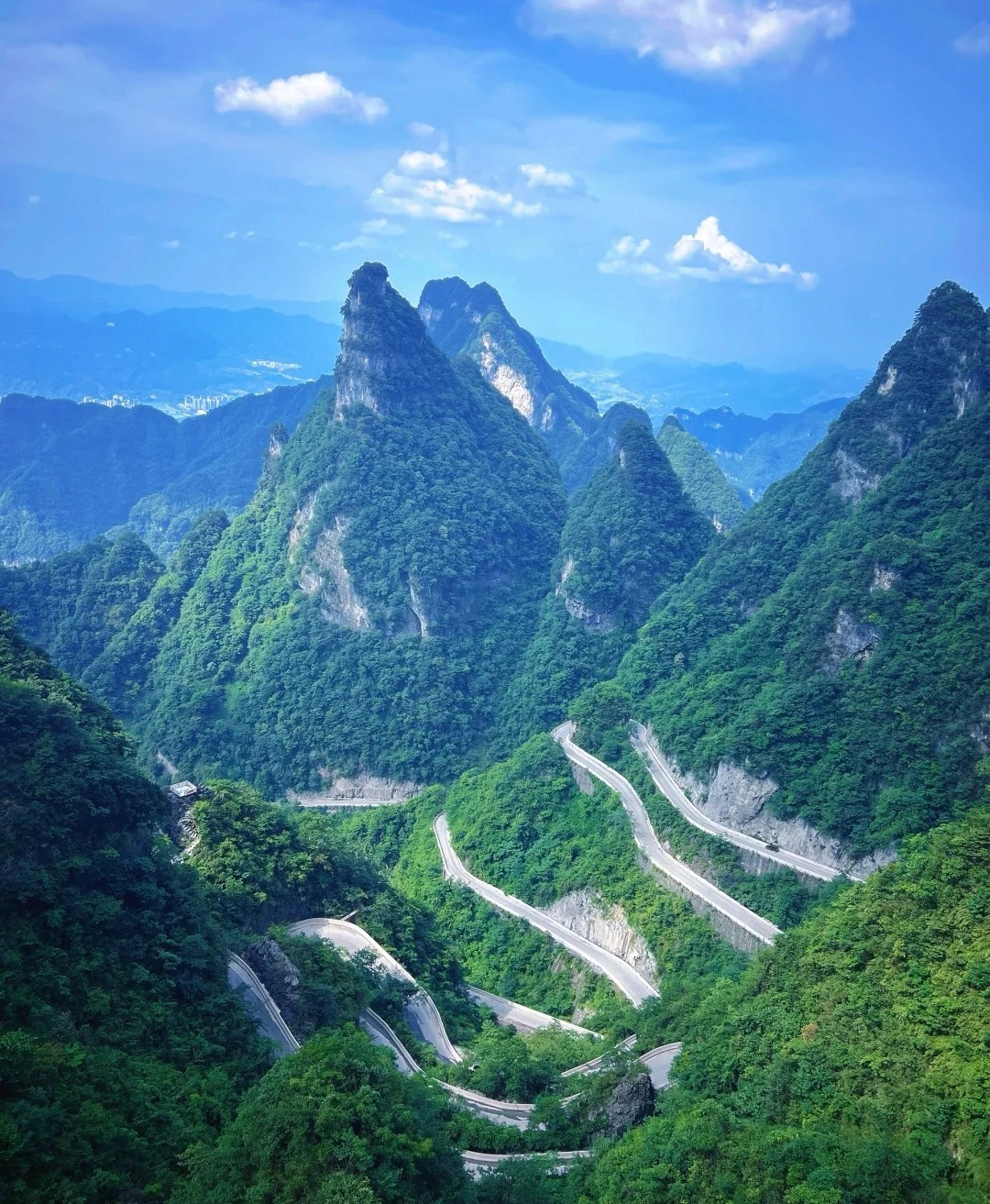
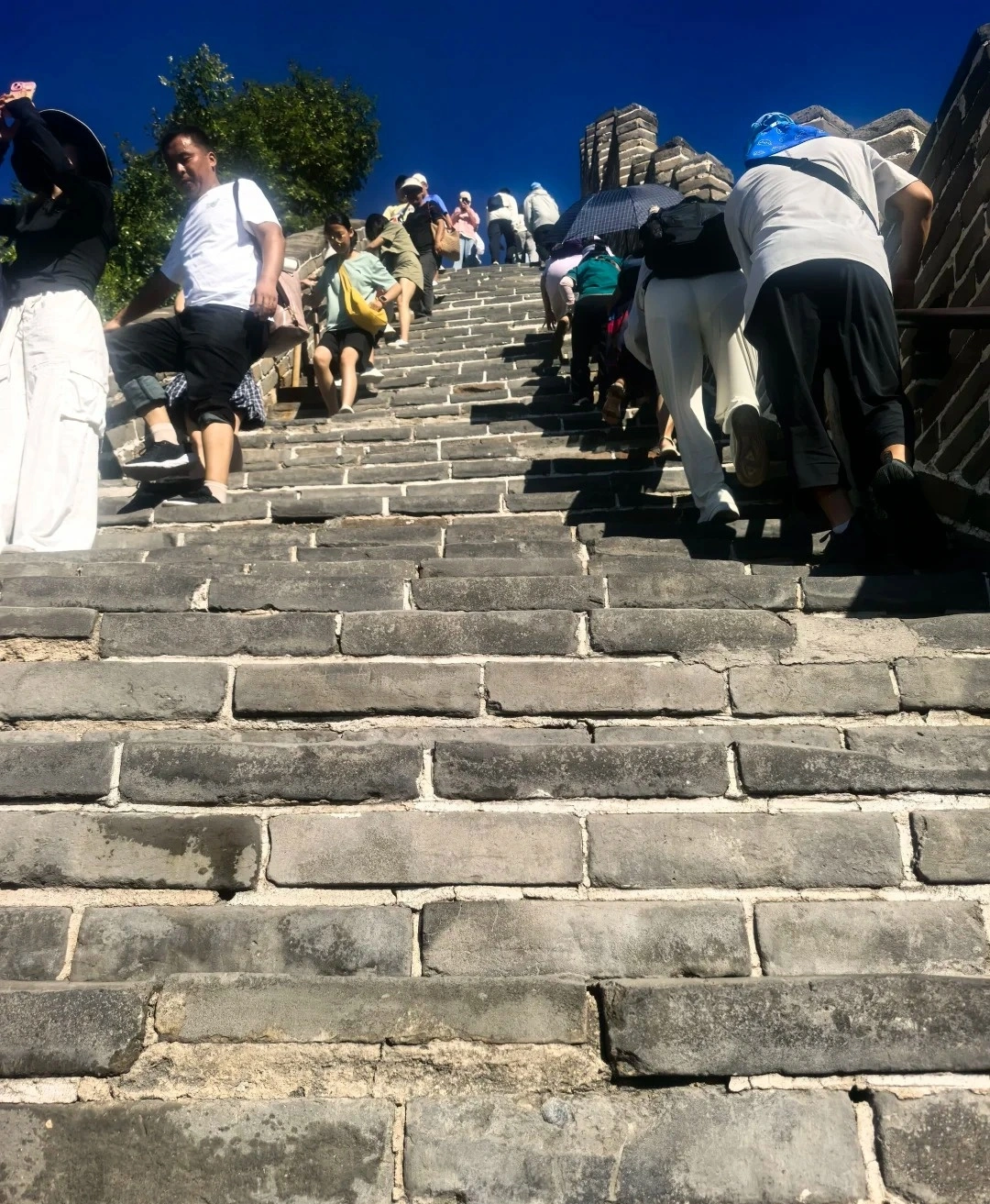
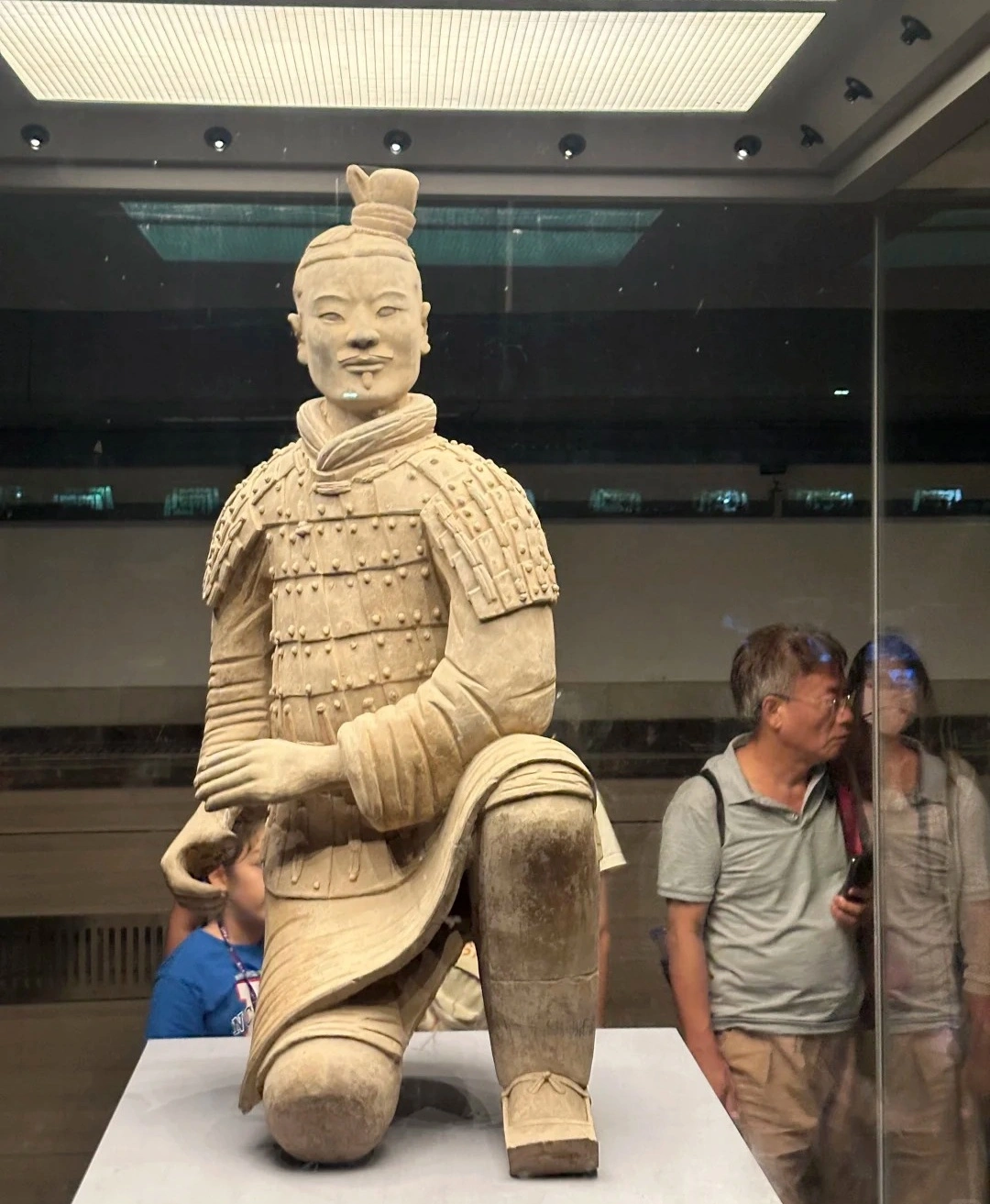
As a solo traveler from Canada, I was nervous about navigating China alone—but this 11-day tour was PERFECT! From hiking the Great Wall at sunrise (Day 3) to gasping at the Terracotta Army (Day 5), every day delivered ‘pinch-me’ moments. The real showstopper? Zhangjiajie’s Avatar Mountains (Day 7)! Our guide made the stone pillars come alive with stories.
Massive thanks for handling all logistics—bullet train tickets, entry passes, car! And the 4-star hotels surprised me.
Destination(s):
Beijing Xian Zhangjiajie Shanghai
Date of
Experience:
June 02,2025

Simon
America
Reviewed on May 29,2025
Our 2-day Zhangjiajie tour was beyond spectacular! As someone who’s visited Beijing and Shanghai for work, this trip revealed China’s wild, magical heart. Day 1 in Zhangjiajie National Forest Park felt like stepping onto Pandora—I’m a huge Avatar fan, and Yuanjiajie’s floating peaks left me breathless. The misty pillars and lush valleys like pure movie magic!
Then came Fenghuang Ancient Town, we eat dinner beside the thundering waterfall. It seems Unreal! The night views of stilt houses glowing over the river were straight from a fairy tale.
For fellow Avatar lovers and adventure seekers: Don’t miss this bucket-list experience! 10/10 would return.
A Well-Traveled Film Buff, May 2025
Destination(s):
Zhangjiajie
Date of
Experience:
May 08,2025