
Taihang Grand Canyon
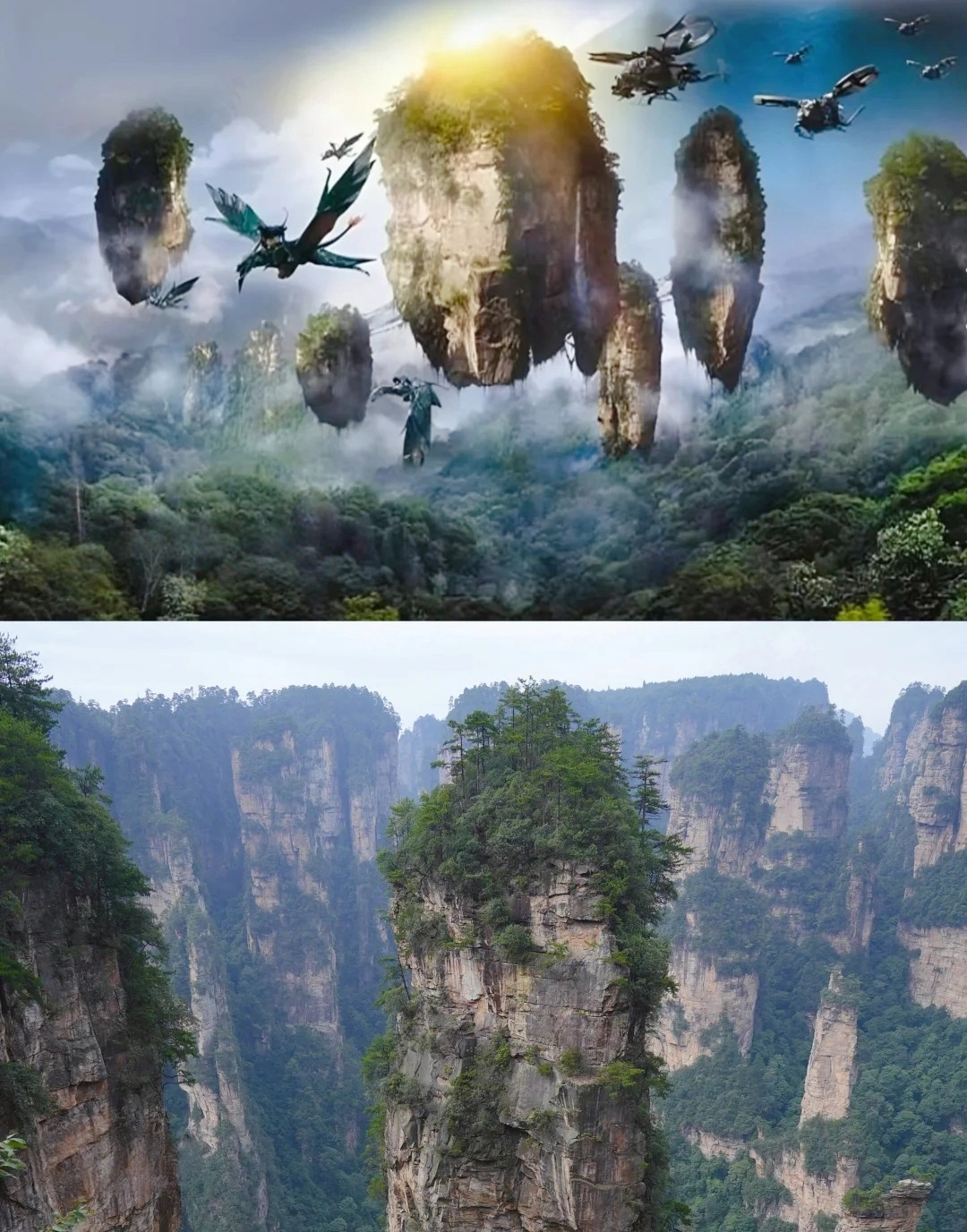
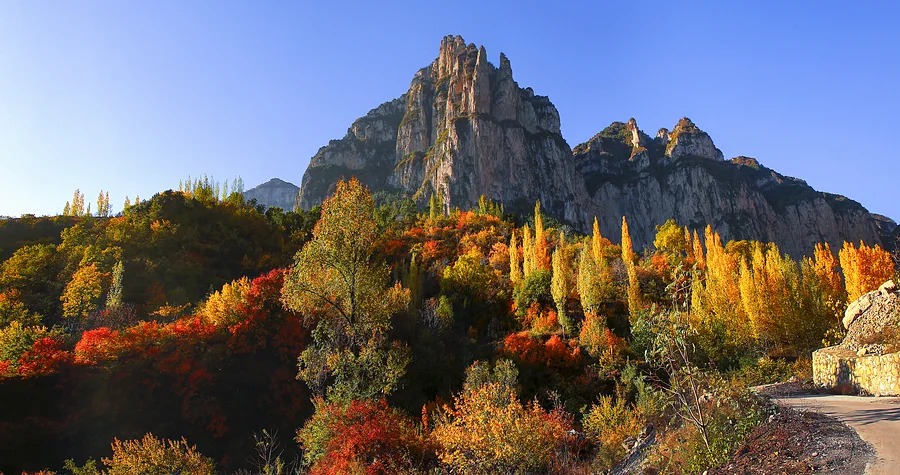
The Taihang Grand Canyon, located in the border region of Shanxi, Henan, and Hebei provinces, is one of China’s most breathtaking natural landscapes. Formed over 2.5 billion years through tectonic movements, this 225-kilometer-long canyon system boasts towering cliffs, crystal-clear streams, and lush forests. Designated a national geological park and AAAAA-rated tourist attraction, it combines dramatic geological wonders with rich cultural heritage, including ancient villages and cliff-side trails. With over 6 million annual visitors, it is a top destination for hiking, photography, and eco-tourism.
Historical Overview
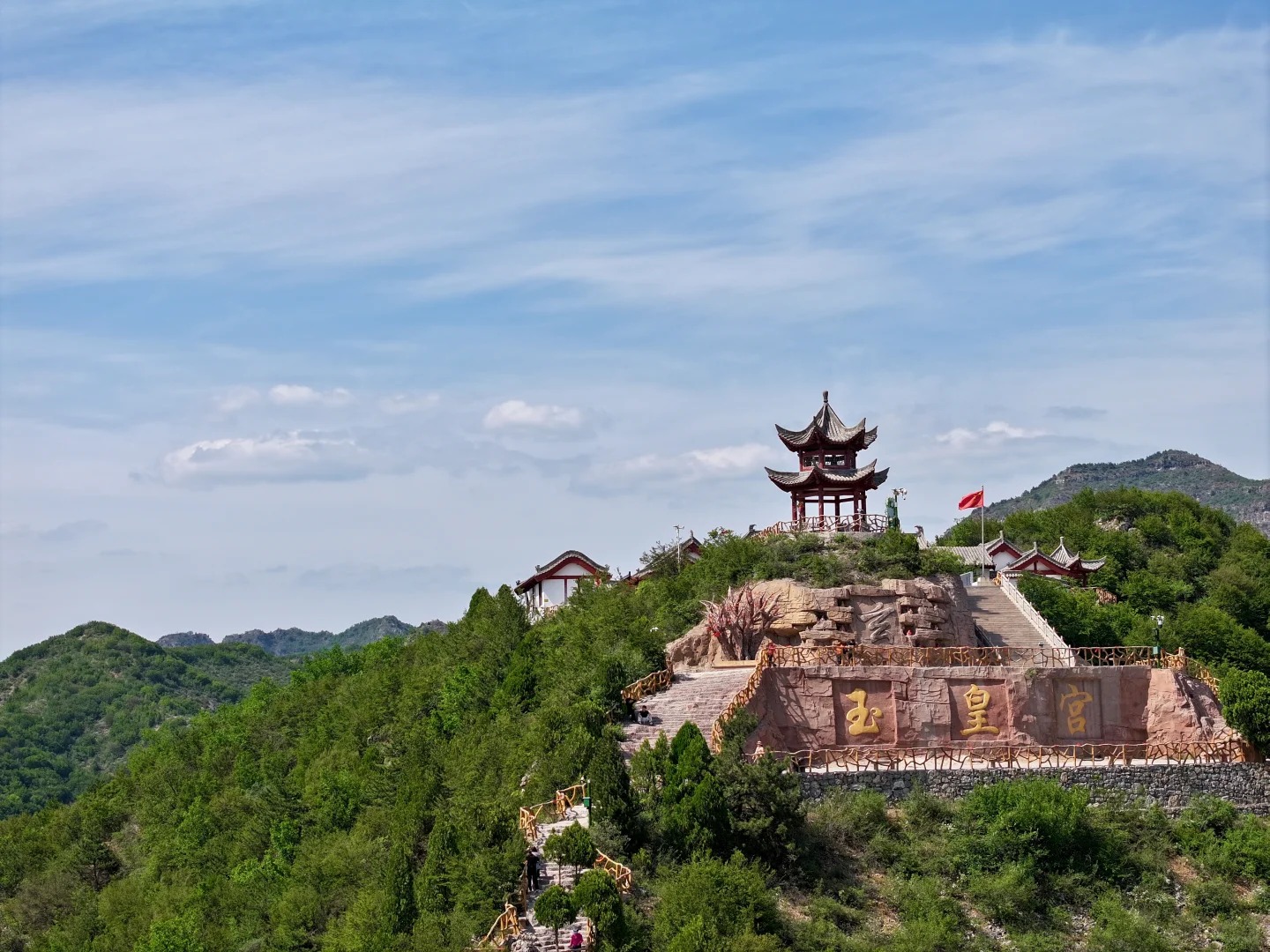
The canyon’s formation dates back to the Precambrian era, with its rugged terrain shaped by ancient oceans and glacial activity. Human settlement traces back 6,000 years, with ancient villages like Guoliang and Wangmangxia perched on cliffs. The region gained fame in the 1970s when Guoliang Village carved a 1.2-kilometer tunnel through solid rock, transforming it into a lifeline and tourist marvel. Historical events include the 1942–45 resistance against Japanese occupation, with the canyon serving as a natural fortress. Today, it symbolizes resilience, blending natural grandeur with human ingenuity.
Geological Features
The canyon’s landscape is defined by three key elements:
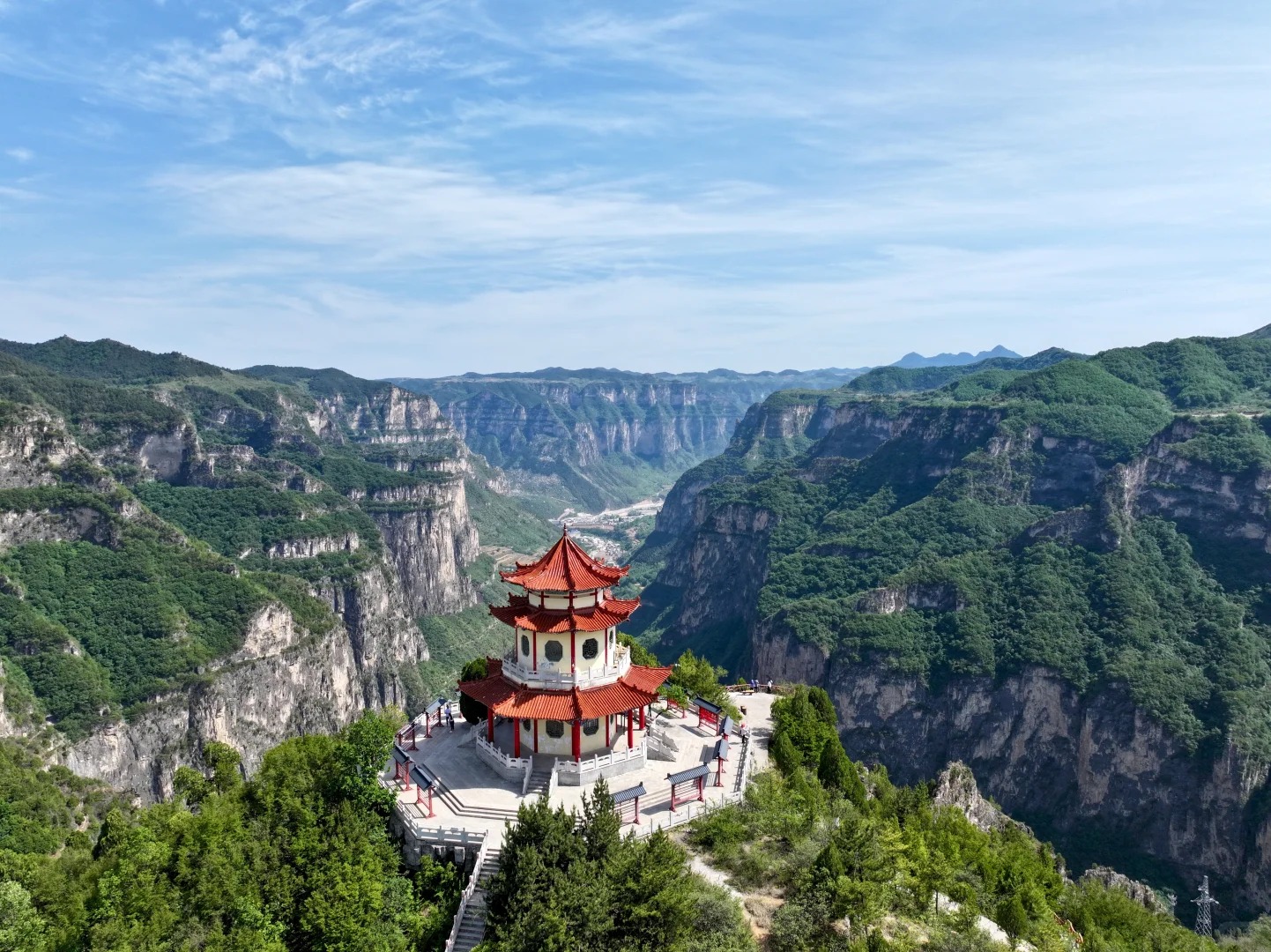
- Cliffs and Peaks: Towering limestone cliffs rise 1,000 meters above the valley floor, including the iconic "Red Rock Wall" and "Sky Ladder."
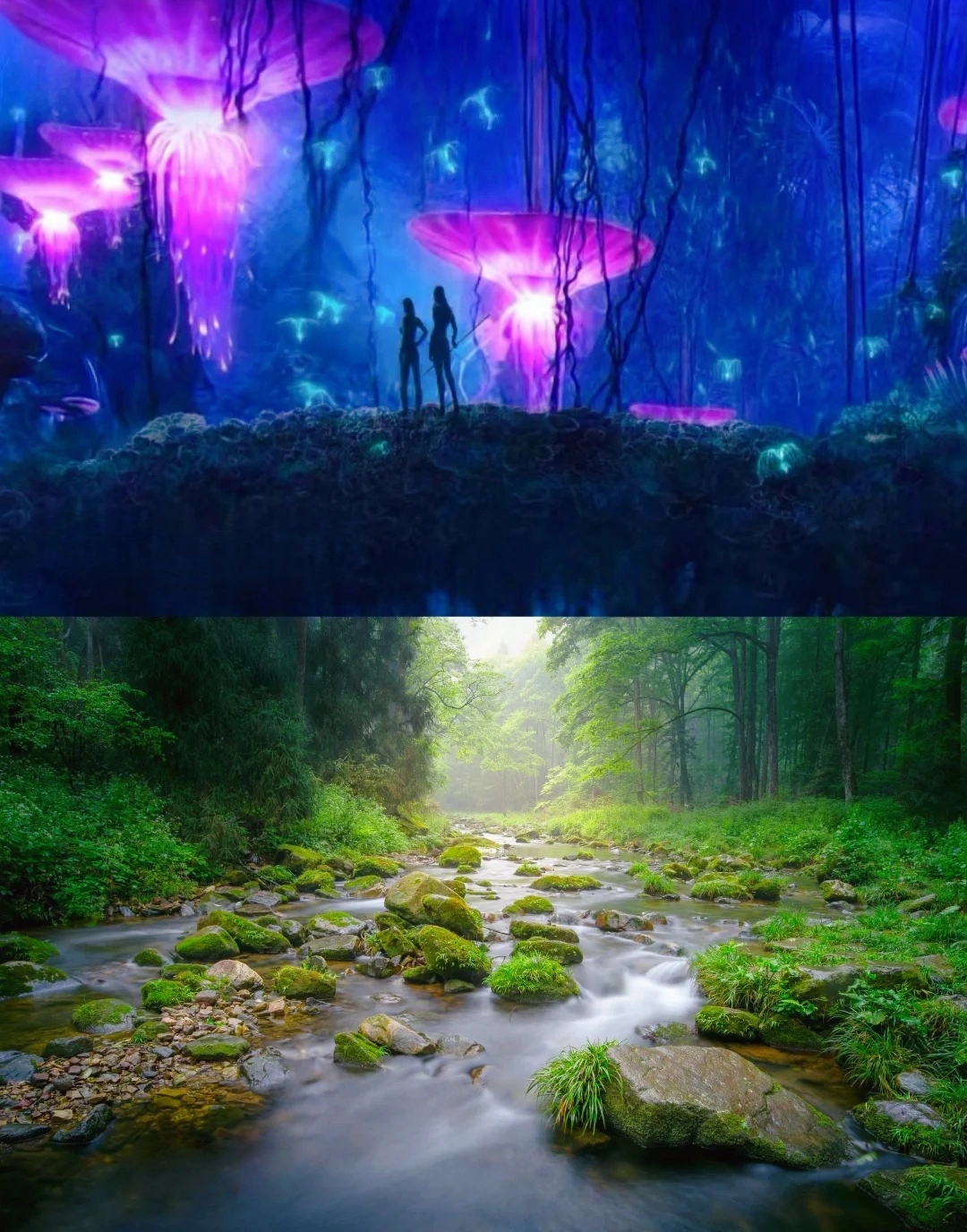
- Water Systems: The Zhuyu River and its tributaries carve through the canyon, forming waterfalls like the 80-meter-high "Dragon’s Breath Falls."
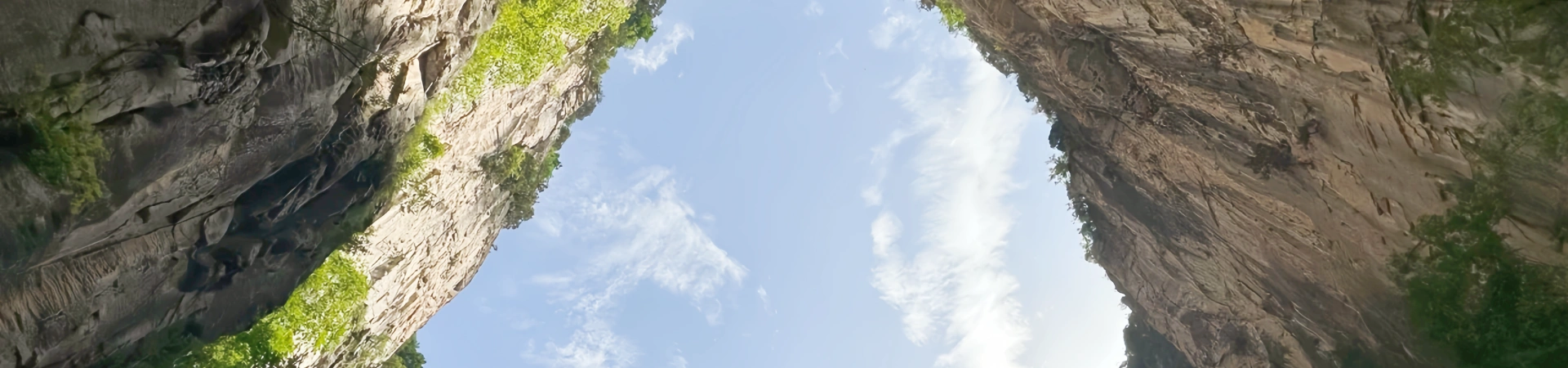
- Karst Topography: Unique formations include the "Moon Cave," a natural arch, and the "Stone Forest," a collection of eroded limestone pillars.
Seasonal changes transform the scenery: spring wildflowers, summer greenery, autumn foliage, and winter icefalls.
Major Attractions
- Guoliang Tunnel: A 1.2-kilometer hand-carved passage through the cliffs, featuring 30 "windows" offering panoramic views.
- Wangmangxia Gorge: Known as the "Grand Canyon of the North," it features a 400-meter-high suspension bridge and ancient hanging coffins.
- Taihang Skyway: A 30-kilometer scenic drive along cliff edges, with lookout points like the "Cloud Piercing Pavilion."
- Eight Hundred Miles Taihang Trail: A historic trade route with sections dating back to the Tang Dynasty (618–907 AD).
- Xitan Valley: A serene area with turquoise pools, bamboo groves, and the "Fairy Bathing Pool" waterfall.
- Taihang Waterfall Cluster: A series of cascades, including the "Rainbow Falls," visible after rainfall.
Suggested Itineraries
- Classic Route (1 Day):
Guoliang Village → Guoliang Tunnel → Wangmangxia Gorge → Taihang Skyway → Xitan Valley
Highlights: Cliff villages, engineering marvels, and scenic drives. - Adventure Route (2 Days):
Day 1: Eight Hundred Miles Taihang Trail → Moon Cave → Dragon’s Breath Falls
Day 2: Taihang Waterfall Cluster → Stone Forest → Cloud Piercing Pavilion
Highlights: Hiking, ancient trails, and karst landscapes. - Cultural Route (3 Days):
Day 1: Guoliang Village → Tunnel → Wangmangxia Historical Site
Day 2: Xitan Valley → Ancient Hanging Coffins → Local Folk Performance
Day 3: Taihang Skyway → Bamboo weaving Workshop → Sunset at Red Rock Wall
Highlights: History, crafts, and sunset views.
Ticket Purchase
- Online: Book via official platforms like Ctrip or WeChat mini-programs (up to 7 days in advance).
- On-Site: Tickets available at entrance gates, but queues are long during peak seasons.
- Prices:
- Peak Season (April–October): ¥160 (adults), ¥80 (students/seniors).
- Off-Season (November–March): ¥120 (adults), ¥60 (students/seniors).
- Free: Children under 1.2m, disabled visitors, and active military personnel.
- Combo Tickets: Include shuttle buses (¥50) and attraction discounts (e.g., Guoliang Tunnel + Wangmangxia: ¥200).
Transportation
- By Train:
- Nearest major station: Xinxiang Railway Station (Henan Province).
- From Xinxiang, take a local bus (2 hours) to Huyu Town, then a taxi to the canyon.
- By Bus:
- By Car/Taxi:
- Self-drive from Beijing (6 hours) or Shijiazhuang (4 hours).
- Taxis from Huyu Town to Guoliang Village cost ¥50–80.
- Local Transport: Shuttle buses connect major attractions (¥10–20 per ride).
Best Time & Tips
- Peak Hours: Avoid 10 AM–2 PM; arrive early (7:30 AM opening) or stay late.
- Crowds: Weekends and holidays are busiest; weekdays offer quieter exploration.
- Weather:
- Spring (April–May) and autumn (September–October) are ideal for hiking.
- Summer (June–August) is lush but rainy; winter (December–February) offers icefalls but cold temperatures.
- Essentials:
- Wear sturdy hiking boots (trails are rocky and steep).
- Carry sunscreen, a hat, and a reusable water bottle (refill stations available).
- Photography tips: Golden hours (sunrise/sunset) for dramatic cliffs; use a polarizing filter for waterfalls.
- Prohibited: Drones, smoking in forested areas, and littering.


Contact Us
What Our Clients Say?
Based on 10,000+ traveler reviews

Daniel Dorothea
Canada
Reviewed on April 29,2025
Shopping on Nanjing Road in Shanghai was just amazing! It's truly the "First Commercial Street of China", where tradition and modernity blend perfectly. You can find awesome souvenirs and experience the trendy vibes in cool stores. The neon lights at night are just spectacular, shining bright like Times Square in New York. The food here is incredible too. I had a feast for my taste buds. Shanghai, I'll definitely be back!
Destination(s):
Shanghai
Date of
Experience:
May 08,2024


Elvis Eva
Canada
Reviewed on June 20,2025
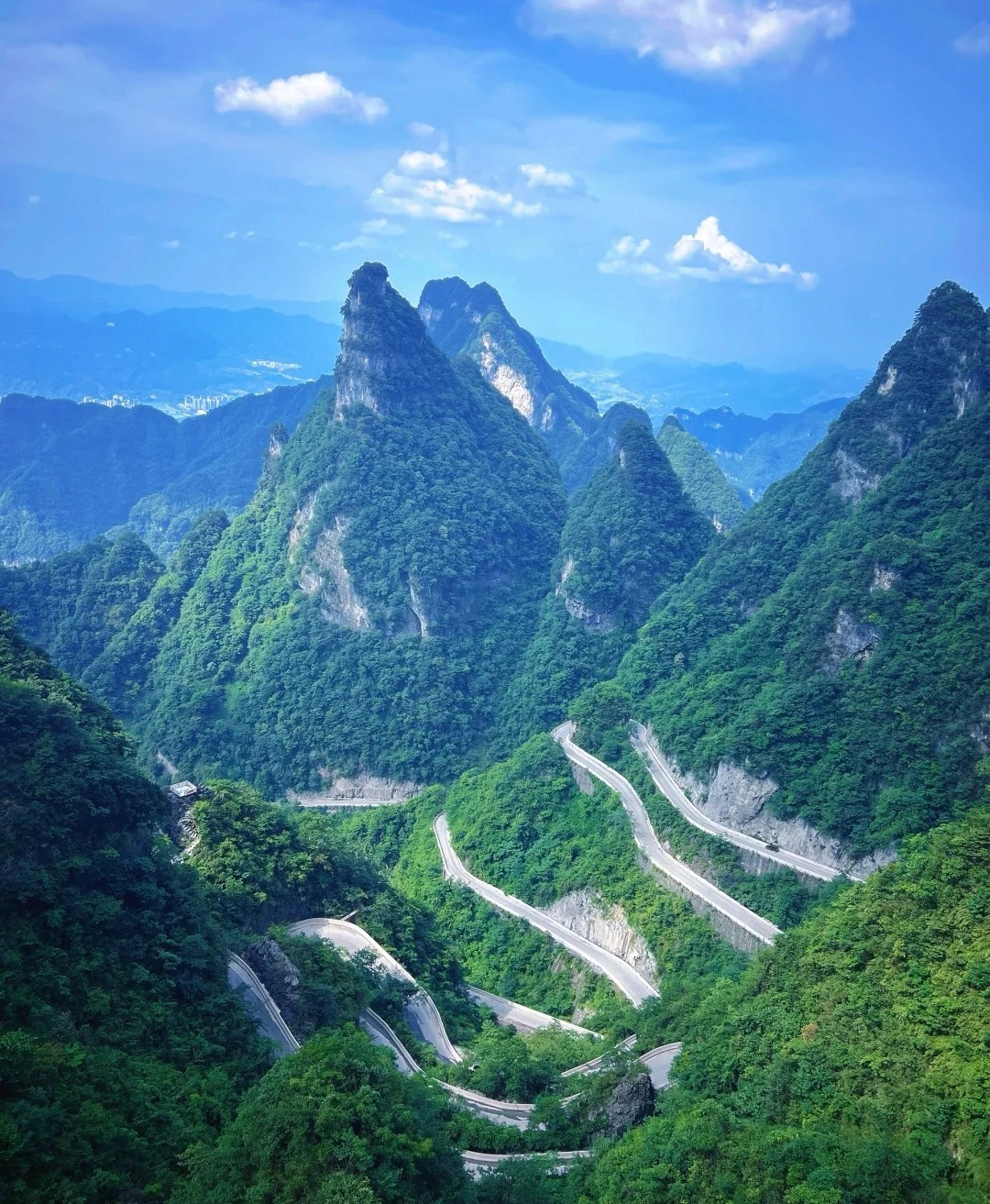
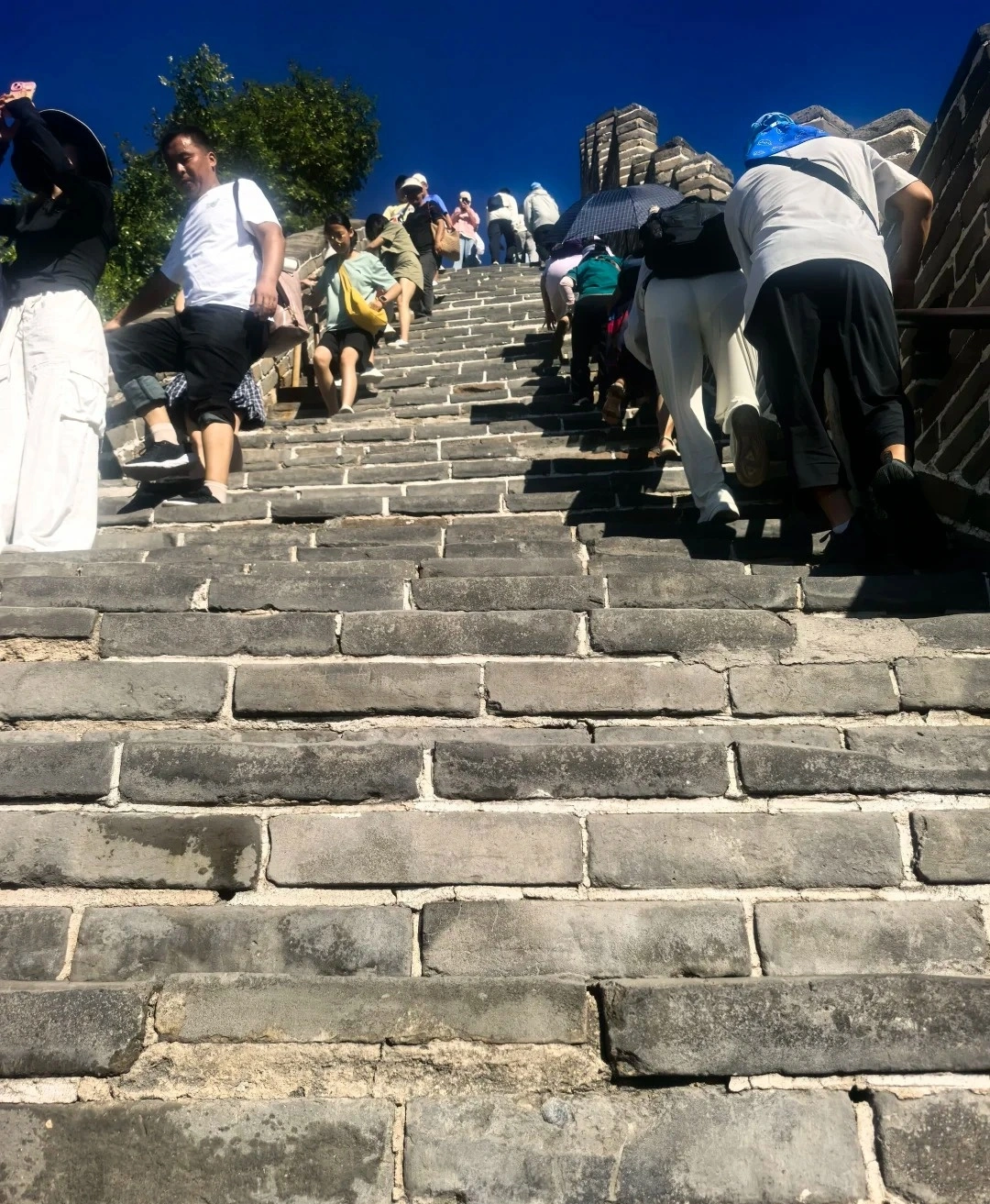
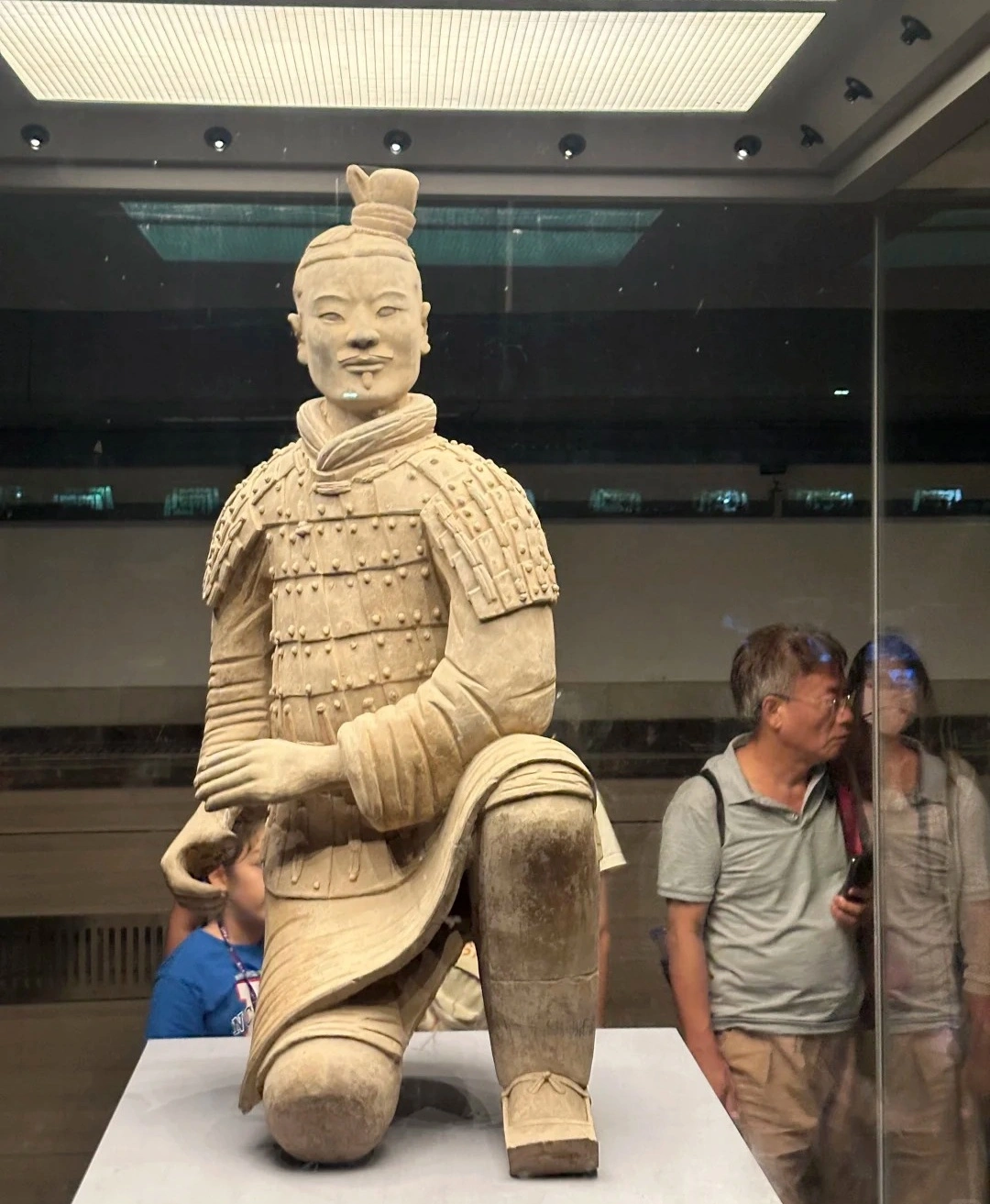
As a solo traveler from Canada, I was nervous about navigating China alone—but this 11-day tour was PERFECT! From hiking the Great Wall at sunrise (Day 3) to gasping at the Terracotta Army (Day 5), every day delivered ‘pinch-me’ moments. The real showstopper? Zhangjiajie’s Avatar Mountains (Day 7)! Our guide made the stone pillars come alive with stories.
Massive thanks for handling all logistics—bullet train tickets, entry passes, car! And the 4-star hotels surprised me.
Destination(s):
Beijing Xian Zhangjiajie Shanghai
Date of
Experience:
June 02,2025

Simon
America
Reviewed on May 29,2025
Our 2-day Zhangjiajie tour was beyond spectacular! As someone who’s visited Beijing and Shanghai for work, this trip revealed China’s wild, magical heart. Day 1 in Zhangjiajie National Forest Park felt like stepping onto Pandora—I’m a huge Avatar fan, and Yuanjiajie’s floating peaks left me breathless. The misty pillars and lush valleys like pure movie magic!
Then came Fenghuang Ancient Town, we eat dinner beside the thundering waterfall. It seems Unreal! The night views of stilt houses glowing over the river were straight from a fairy tale.
For fellow Avatar lovers and adventure seekers: Don’t miss this bucket-list experience! 10/10 would return.
A Well-Traveled Film Buff, May 2025
Destination(s):
Zhangjiajie
Date of
Experience:
May 08,2025