
Qinhu National Wetland Park
Qinhu Lake National Wetland Park, located in Taizhou City, Jiangsu Province, is a UNESCO-recognized ecological gem and China’s second-largest national wetland park. Spanning 7 square kilometers, it integrates freshwater lakes, reed marshes, and semi-natural wetlands, serving as a critical habitat for endangered species like elk, Oriental storks, and Chinese alligators. Designated a national 5A-level scenic area in 2012, it combines ecological preservation with cultural heritage, notably the annual Qintong Boat Festival—a thousand-year-old tradition listed among China’s top folk celebrations.
Historical Overview
- Ancient Origins: The wetland formed over 2,000 years ago, with records of elk herds dating to the Han Dynasty (206 BCE–220 CE).
- Modern Development: Officially opened in 2003, it gained national 5A status in 2012 and UNESCO recognition in 2022 for its biodiversity and wetland restoration efforts.
- Cultural Milestones: The Qintong Boat Festival, originating in the Song Dynasty (960–1279), was revived in 1997 and now attracts over 500,000 visitors annually.
- Conservation: Since 2005, over 1.2 million aquatic plants and 73 wildlife species have been reintroduced, including a captive-bred elk population.
Structural Layout
The park is divided into three zones:
- Wetland Core Zone: A protected area with reed swamps, ponds, and wildlife observation points.
- Cultural Experience Zone: Features the Qintong Boat Festival site, ancient water towns, and a folk museum.
- Recreation Zone: Includes eco-hotels, a marine world, and the Yunhai Wetland Golf Course.
Key structures:
- Main Gate: Symbolizes five continents “meeting” via boat, designed with traditional pole-boat motIFS.
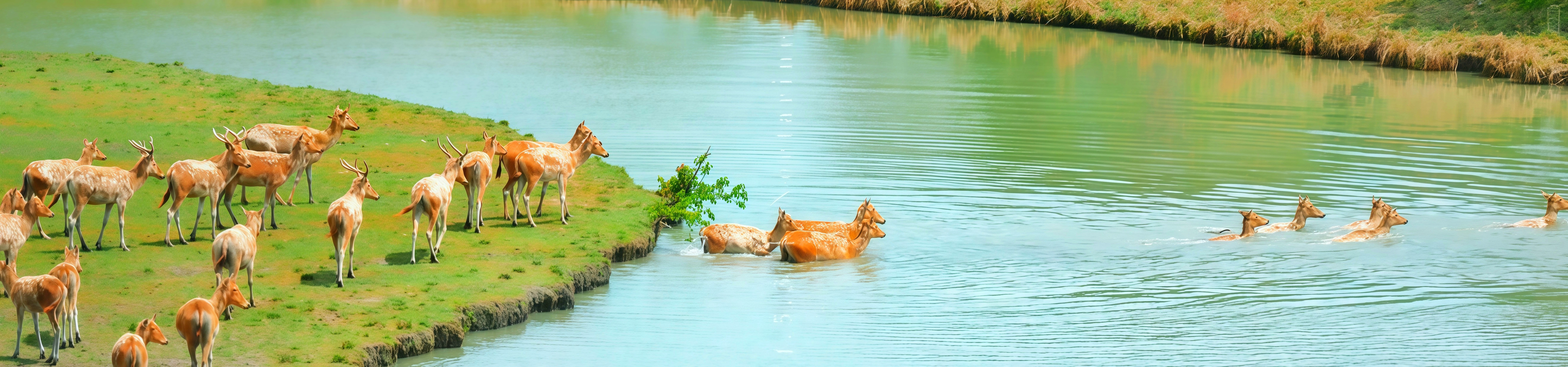
- Elk Island: A 200-acre sanctuary for over 300 free-roaming elk.
- Wetland Science Museum: Interactive exhibits on wetland ecology and conservation.
Major Attractions
- Elk Observation Deck: Spot herds grazing in semi-wild habitats.
- Qintong Boat Festival Site: Watch dragon boat races and traditional “war canoe” performances (April–May).
- Bird Island: Home to over 200 species, including rare Oriental storks and black-faced spoonbills.
- Wetland Cruise: A 45-minute boat tour through reed forests and lotus ponds.
- Crocodile Pond: Houses Yangtze alligators in semi-natural enclosures.
- Folk Culture Village: Hands-on workshops for rice planting, fishing, and bamboo crafts.
Suggested Itineraries
Classic Route (3–4 hours):
Entrance → Wetland Science Museum → Elk Island → Bird Island → Qintong Boat Festival Site → Main Gate.
Highlights: Elk sightings, boat festival history, and wetland ecology.
Eco-Adventure Route (5–6 hours):
Entrance → Wetland Cruise → Crocodile Pond → Bamboo rafting → Folk Culture Village → Yunhai Golf Course.
Highlights: Wildlife encounters, cultural workshops, and golf.
Comprehensive Experience (Full Day):
Morning: All sites above + Guided birdwatching.
Afternoon: Farm-to-table lunch → Hot spring relaxation → Departure.
Ticket Purchase
- Online: Book via “Qinhu Lake Official” WeChat mini-program or Ctrip (up to 7 days in advance).
- Prices (2025):
- Basic Pass (Wetland Park): ¥80 (adults), ¥40 (students/seniors).
- Comprehensive Pass (+ Qintong Ancient Town): ¥100 (adults), ¥50 (concessions).
- Free: Children under 1.4m, disabled visitors, and 2025 Gaokao candidates (with valid ID).
Transportation
From Major Cities:
- Shanghai/Nanjing: High-speed rail to Taizhou Station (1.5–2 hours), then taxi (¥50, 30 minutes).
- Self-Drive: G42 Expressway → Taizhou Exit → Qinhu Lake Road.
On-Site:
- Shuttle Bus: Free loops between zones (board at Main Gate).
- Boat Transfer: Included in ticket price; departs hourly from docks.
Best Time & Tips
- Peak Seasons: Spring (April–May) for boat Festivals; autumn (October–November) for migratory birds.
- Avoid Crowds: Visit weekdays; weekends host 10,000+ visitors.
- Essentials:
- Wear waterproof shoes for marshy trails.
- Bring binoculars for birdwatching (over 200 species recorded).
- Photography allowed except in wildlife breeding areas.
- Prohibited: Feeding animals, littering, and drone use.


Contact Us
What Our Clients Say?
Based on 10,000+ traveler reviews

Daniel Dorothea
Canada
Reviewed on April 29,2025
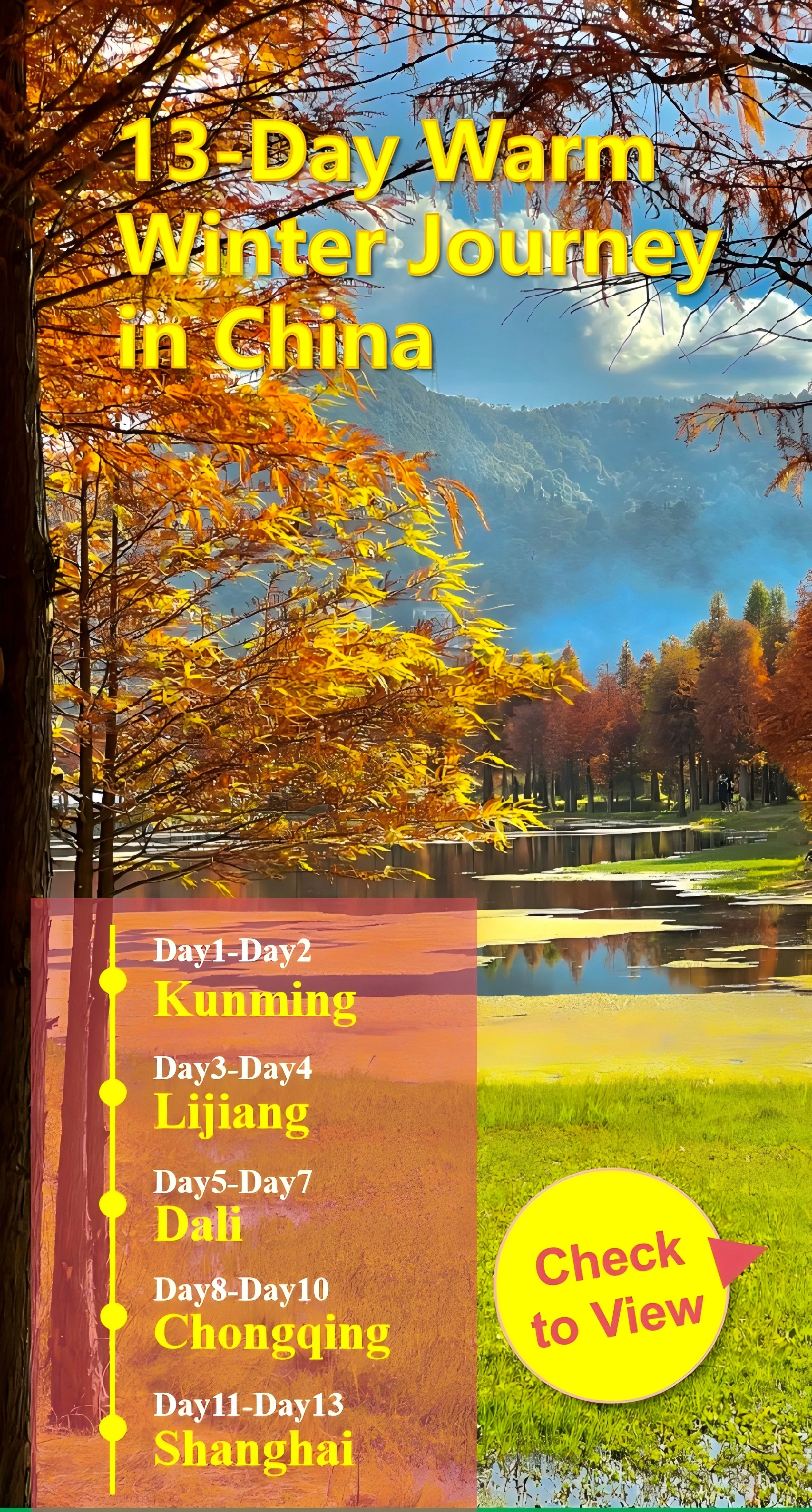
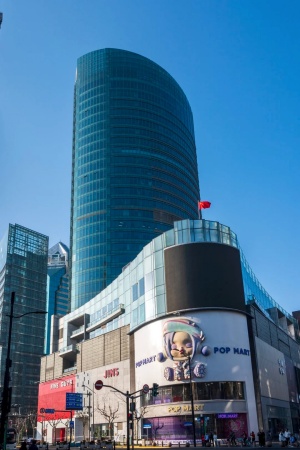
Shopping on Nanjing Road in Shanghai was just amazing! It's truly the "First Commercial Street of China", where tradition and modernity blend perfectly. You can find awesome souvenirs and experience the trendy vibes in cool stores. The neon lights at night are just spectacular, shining bright like Times Square in New York. The food here is incredible too. I had a feast for my taste buds. Shanghai, I'll definitely be back!
Destination(s):
Shanghai
Date of
Experience:
May 08,2024

Elvis Eva
Canada
Reviewed on June 20,2025
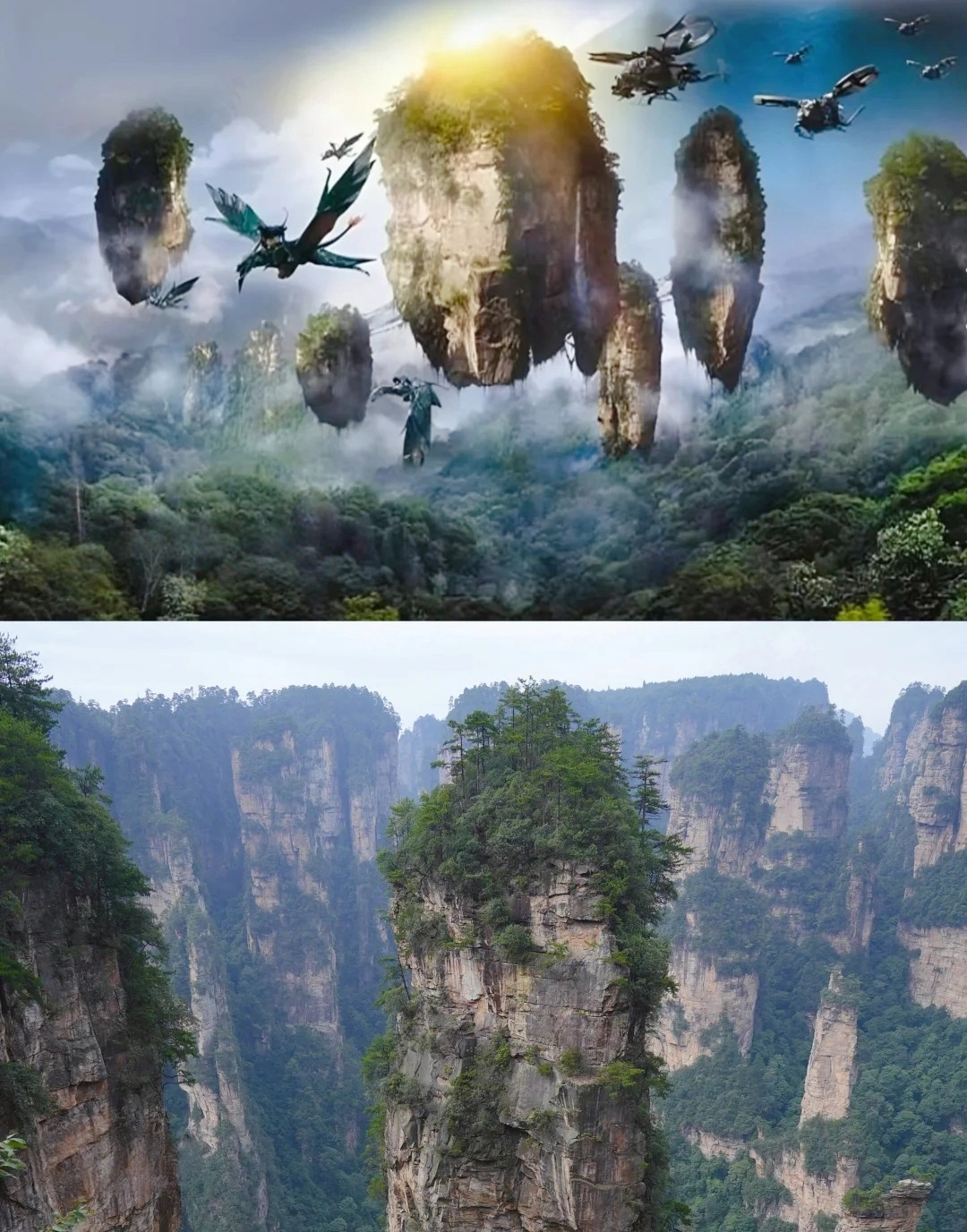
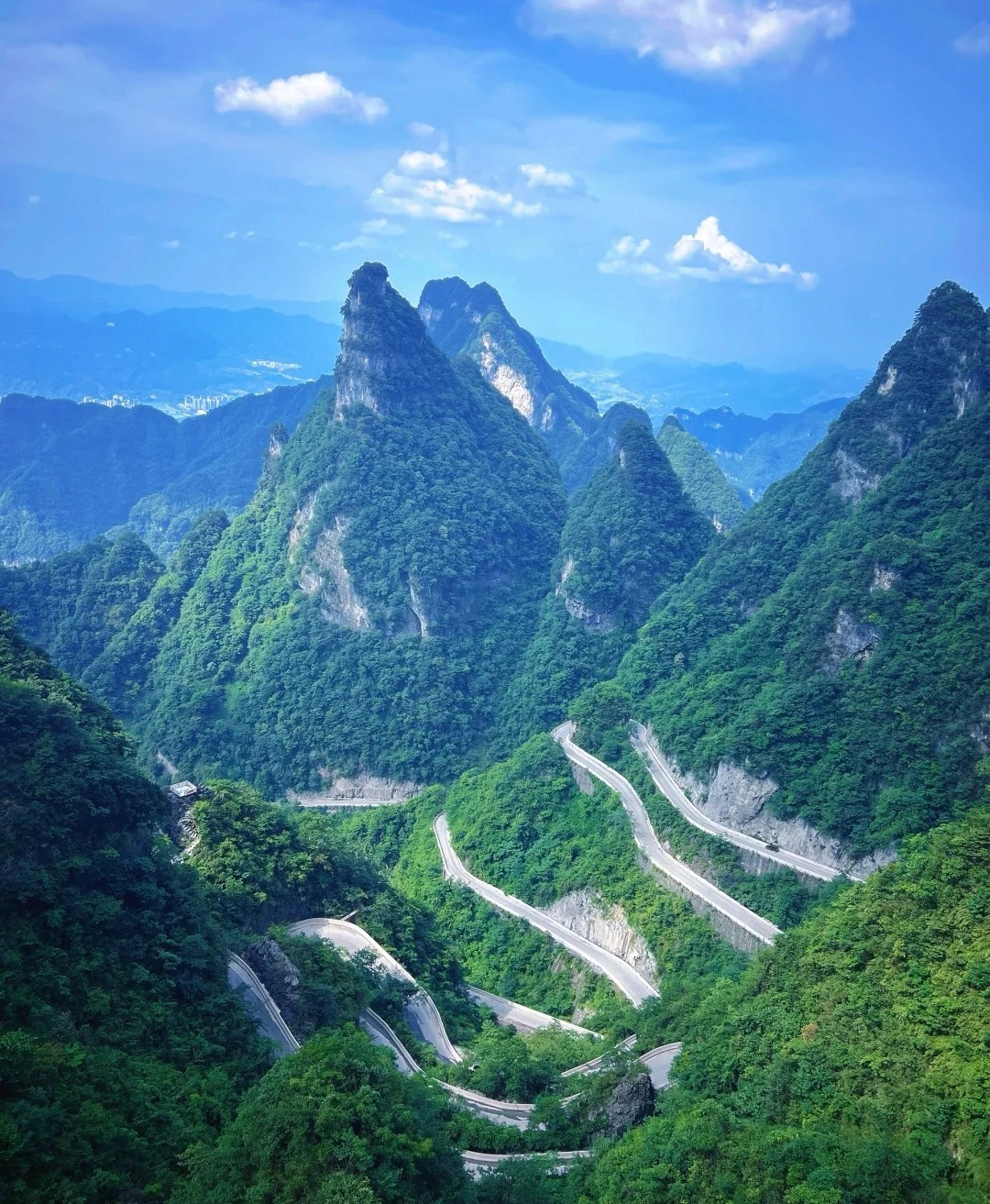
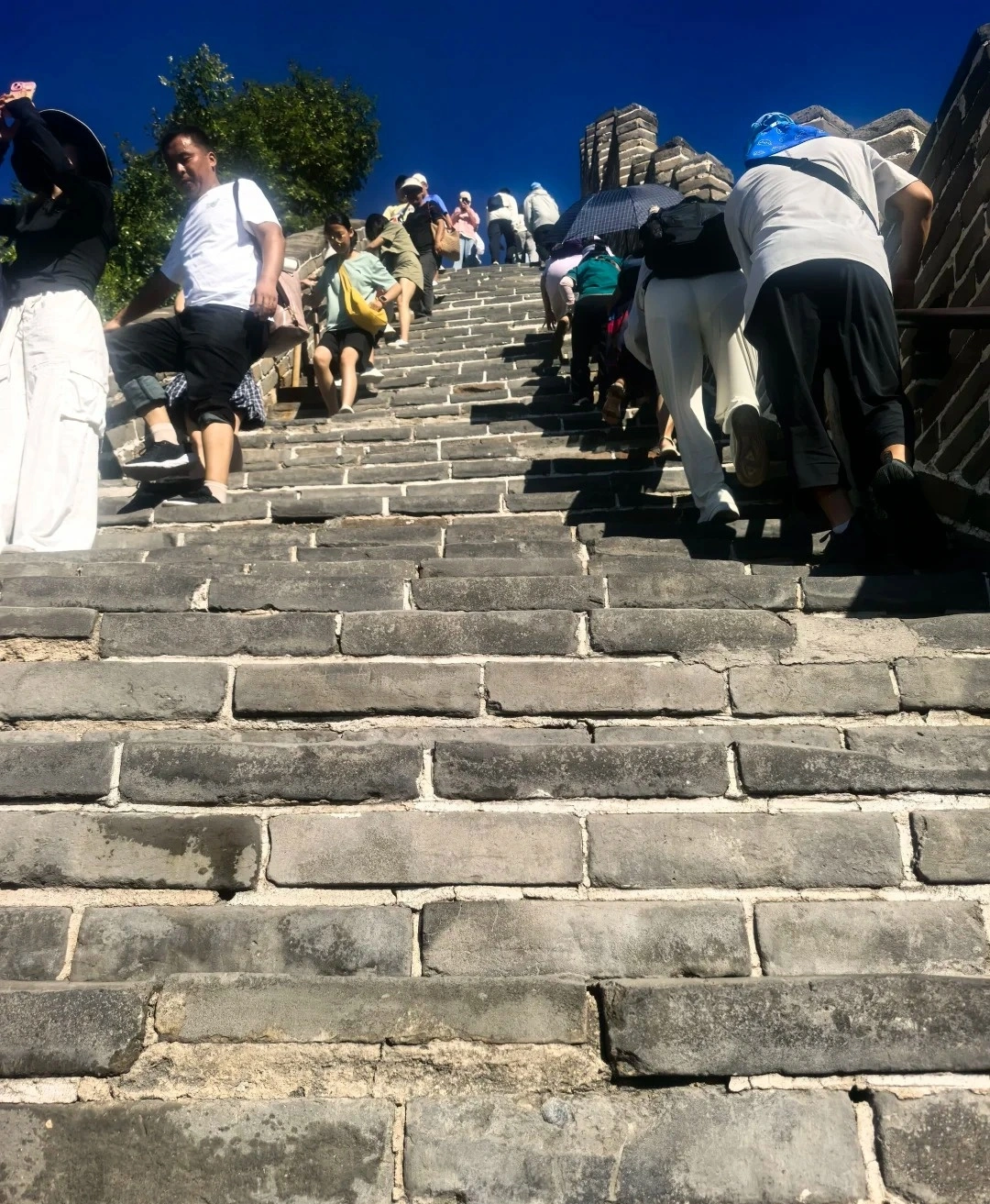
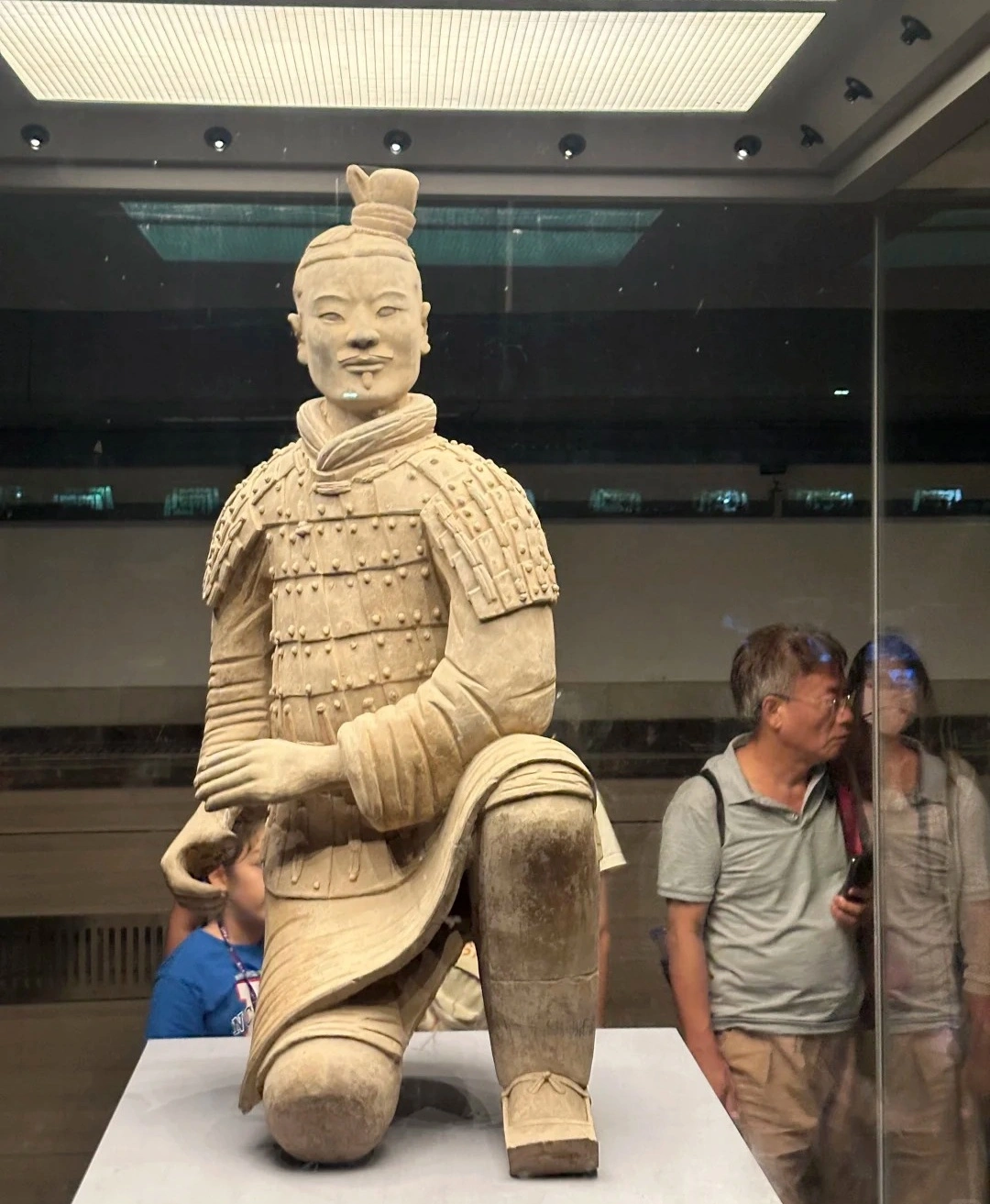
As a solo traveler from Canada, I was nervous about navigating China alone—but this 11-day tour was PERFECT! From hiking the Great Wall at sunrise (Day 3) to gasping at the Terracotta Army (Day 5), every day delivered ‘pinch-me’ moments. The real showstopper? Zhangjiajie’s Avatar Mountains (Day 7)! Our guide made the stone pillars come alive with stories.
Massive thanks for handling all logistics—bullet train tickets, entry passes, car! And the 4-star hotels surprised me.
Destination(s):
Beijing Xian Zhangjiajie Shanghai
Date of
Experience:
June 02,2025

Simon
America
Reviewed on May 29,2025
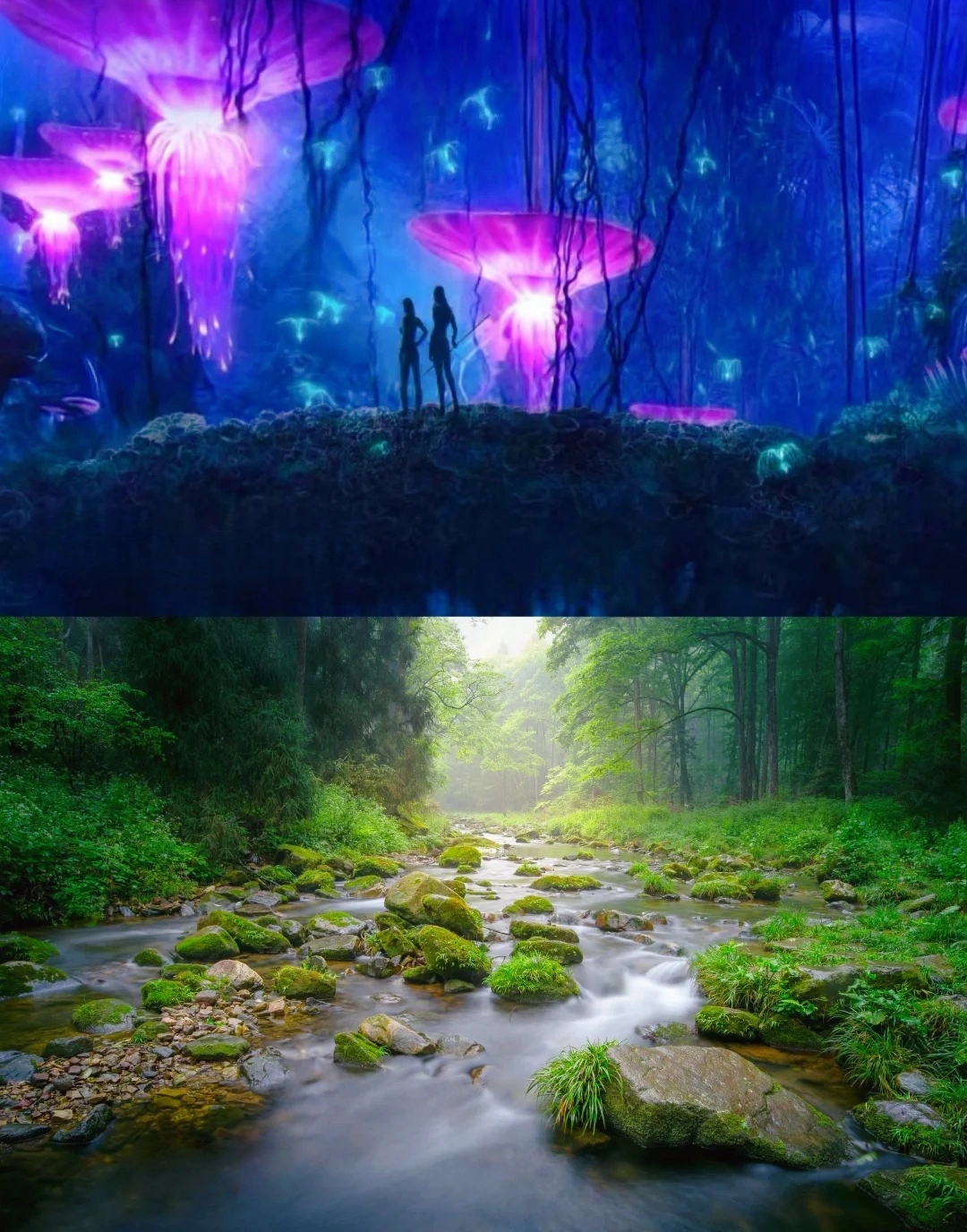
Our 2-day Zhangjiajie tour was beyond spectacular! As someone who’s visited Beijing and Shanghai for work, this trip revealed China’s wild, magical heart. Day 1 in Zhangjiajie National Forest Park felt like stepping onto Pandora—I’m a huge Avatar fan, and Yuanjiajie’s floating peaks left me breathless. The misty pillars and lush valleys like pure movie magic!
Then came Fenghuang Ancient Town, we eat dinner beside the thundering waterfall. It seems Unreal! The night views of stilt houses glowing over the river were straight from a fairy tale.
For fellow Avatar lovers and adventure seekers: Don’t miss this bucket-list experience! 10/10 would return.
A Well-Traveled Film Buff, May 2025
Destination(s):
Zhangjiajie
Date of
Experience:
May 08,2025