
Hai Shang Yun Tai Mountain
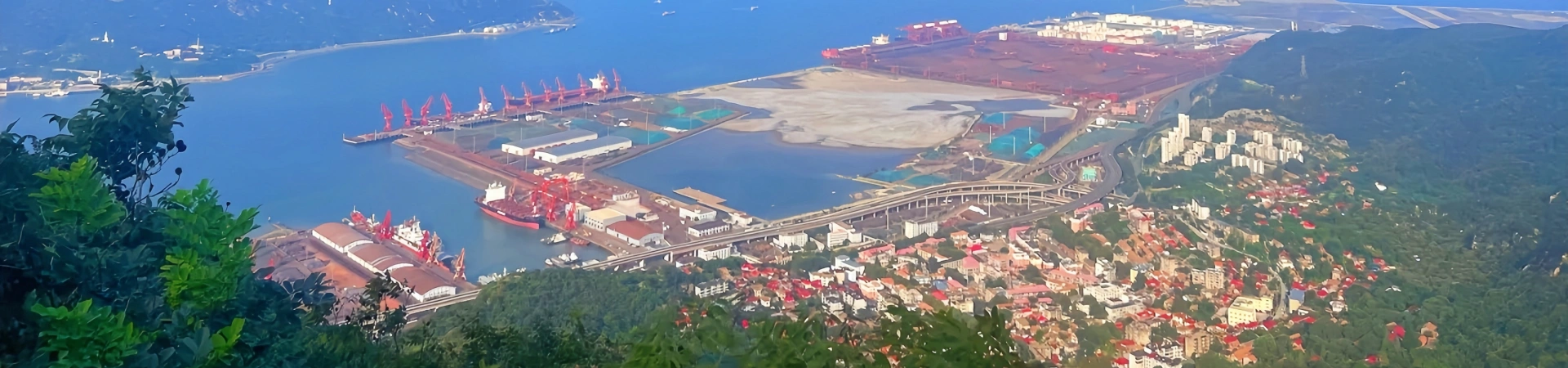
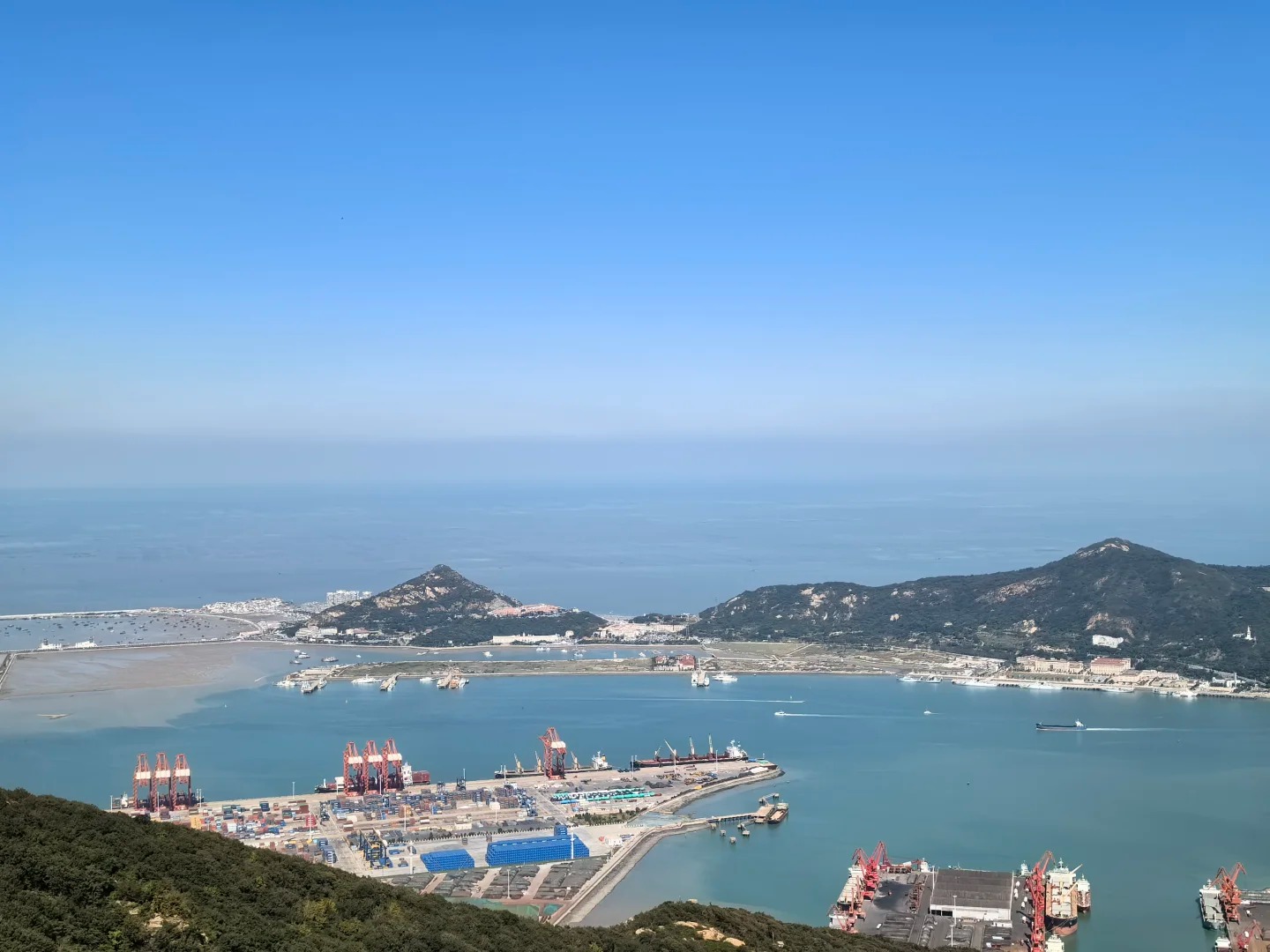
Hai Shang Yun Tai Mountain, also known as Seaside Cloud Platform Mountain, is a breathtaking coastal scenic area in Lianyungang, Jiangsu Province, China. Rising 625 meters above sea level, it offers panoramic views of the Yellow Sea and combines natural wonders with rich cultural heritage. Known as the "First Mountain by the Sea," it features mist-shrouded peaks, ancient temples, and dramatic cliffs. Designated a national 5A-level tourist attraction, it is a haven for hikers, photographers, and history enthusiasts. The mountain’s name, meaning "Cloud Platform on the Sea," reflects its ethereal beauty and strategic coastal location.
Historical Overview
Hai Shang Yun Tai Mountain has a history spanning over 2,000 years, with mentions in ancient texts like the Book of Songs. It served as a military stronghold during the Eastern Han Dynasty and later became a Taoist and Buddhist pilgrimage site. The Tang Dynasty poet Li Bai praised its "clouds touching the sea" in his verses, while the Ming Dynasty general Qi Jiguang built fortifications here to repel pirates. In the 20th century, it became a symbol of resilience during the War of Resistance Against Japanese Aggression. Today, it blends historical relics with modern tourism infrastructure, attracting millions annually.
Structural Layout
The mountain is divided into three main zones:
- Central Scenic Area: Home to the iconic Yun Tai Peak, Fairy Bridge, and the 600-year-old Yuhuang Temple.
- Eastern Coastal Zone: Features the Huaguo Mountain Waterfall, Mahavir Cliff, and the Lighthouse Observation Deck overlooking the Yellow Sea.
- Western Cultural Zone: Includes the Taoist Yun Tai Temple, Buddhist Shuiyue Temple, and the Ancient Military Fortifications Museum.
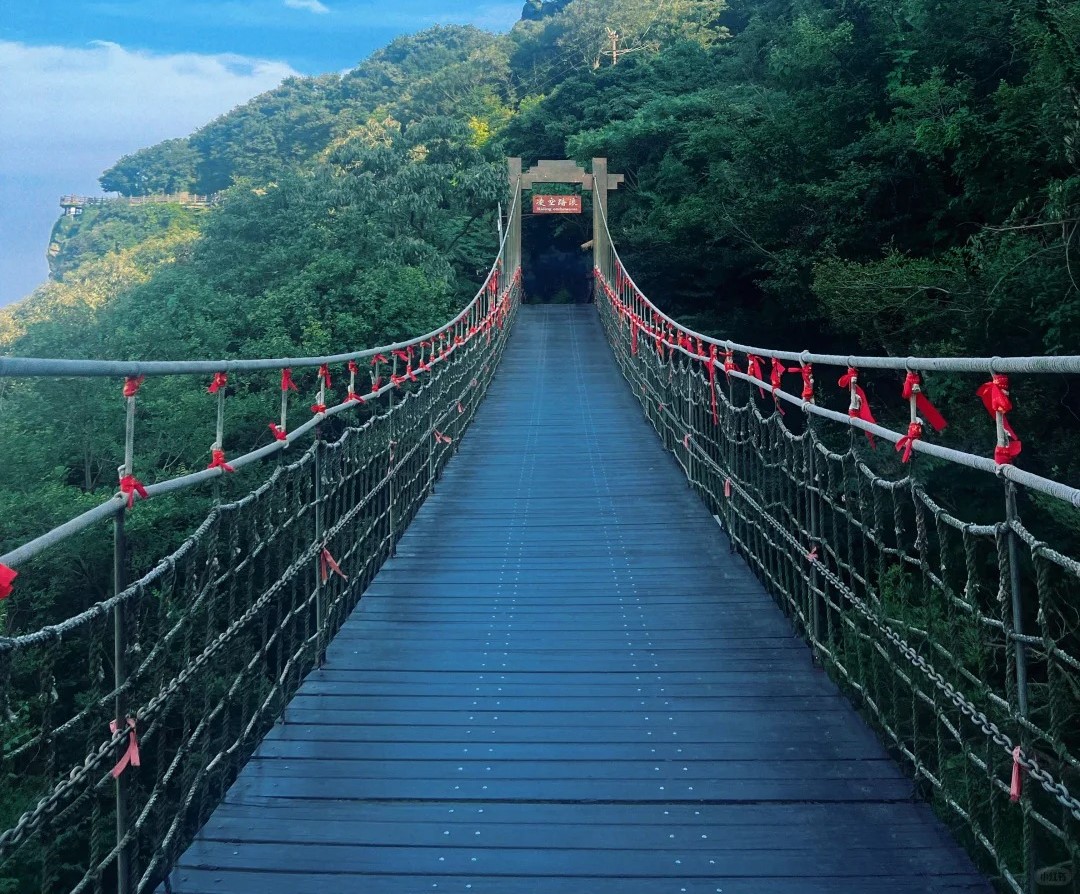
Key landmarks include the Cloud Bridge, a 1,500-meter-long suspension walkway, and the Sky Ladder, a steep staircase with 999 steps leading to the summit.
Major Attractions
- Yun Tai Peak: The highest point, offering 360-degree views of the sea and mountains. At dawn, clouds swirl around the peak like a celestial palace.
- Fairy Bridge: A natural stone arch spanning a deep valley, legend says it was built by immortals.
- Yuhuang Temple: A Taoist temple dating to the Ming Dynasty, housing statues of the Jade Emperor and the Eight Immortals.
- Mahavir Cliff: A 70-meter-high granite cliff with inscriptions by ancient scholars, including Su Dongpo of the Song Dynasty.
- Lighthouse Observation Deck: Standing 67 meters tall, it guides ships and provides views of the Bohai Strait.
- Ancient Military Fortifications: Remnants of Ming Dynasty walls and cannons used to defend against coastal invasions.
Suggested Itineraries
-
Classic Route (3–4 hours):
Entrance → Fairy Bridge → Yun Tai Peak → Yuhuang Temple → Huaguo Mountain Waterfall → Lighthouse Observation Deck → Exit
Highlights: Iconic views, temples, and coastal scenery. -
Cultural Route (5–6 hours):
Entrance → Taoist Yun Tai Temple → Buddhist Shuiyue Temple → Ancient Military Fortifications Museum → Mahavir Cliff → Sky Ladder → Exit
Highlights: Historical relics, inscriptions, and steep hikes. -
Adventure Route (Full Day):
Entrance → Cloud Bridge → Fairy Bridge → Yun Tai Peak → Sky Ladder → Huaguo Mountain Waterfall → Lighthouse Observation Deck → Sunset at Mahavir Cliff → Exit
Highlights: All major attractions, sunset views, and photography opportunities.
Ticket Purchase
- Online: Book via the official website or platforms like Ctrip and Meituan (up to 7 days in advance).
- On-Site: Tickets available at the entrance, but queues are longer during peak seasons.
- Prices:
- Peak Season (April–October): ¥90 (adults), ¥45 (students/seniors).
- Off-Season (November–March): ¥60 (adults), ¥30 (students/seniors).
- Free: Children under 1.2m, disabled visitors, and military personnel.
Transportation
- By Subway: Not directly accessible; take Line 1 to Lianyungang East Station, then transfer to a taxi or bus.
- By Bus: Routes B1K or B12 to Yun Tai Mountain Stop.
- By Taxi: Direct from downtown Lianyungang (approx. 30 minutes, ¥50–80).
- Parking: Available at the entrance (¥10–20 per day).
Best Time & Tips
- Peak Hours: Avoid 10 AM–2 PM; visit early or late afternoon.
- Crowds: Weekends and holidays are busiest; weekdays are quieter.
- Weather: spring (April–May) and autumn (September–October) offer mild temperatures and clear skies.
- Essentials:
- Wear sturdy shoes (trails can be steep and rocky).
- Bring sunscreen, a hat, and water (limited shade on summits).
- Photography allowed, but tripods may require permits in some areas.
- Prohibited items: Drones, large bags, and open flames.




Contact Us
What Our Clients Say?
Based on 10,000+ traveler reviews

Daniel Dorothea
Canada
Reviewed on April 29,2025
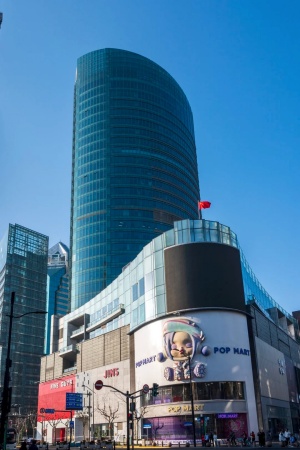
Shopping on Nanjing Road in Shanghai was just amazing! It's truly the "First Commercial Street of China", where tradition and modernity blend perfectly. You can find awesome souvenirs and experience the trendy vibes in cool stores. The neon lights at night are just spectacular, shining bright like Times Square in New York. The food here is incredible too. I had a feast for my taste buds. Shanghai, I'll definitely be back!
Destination(s):
Shanghai
Date of
Experience:
May 08,2024

Elvis Eva
Canada
Reviewed on June 20,2025
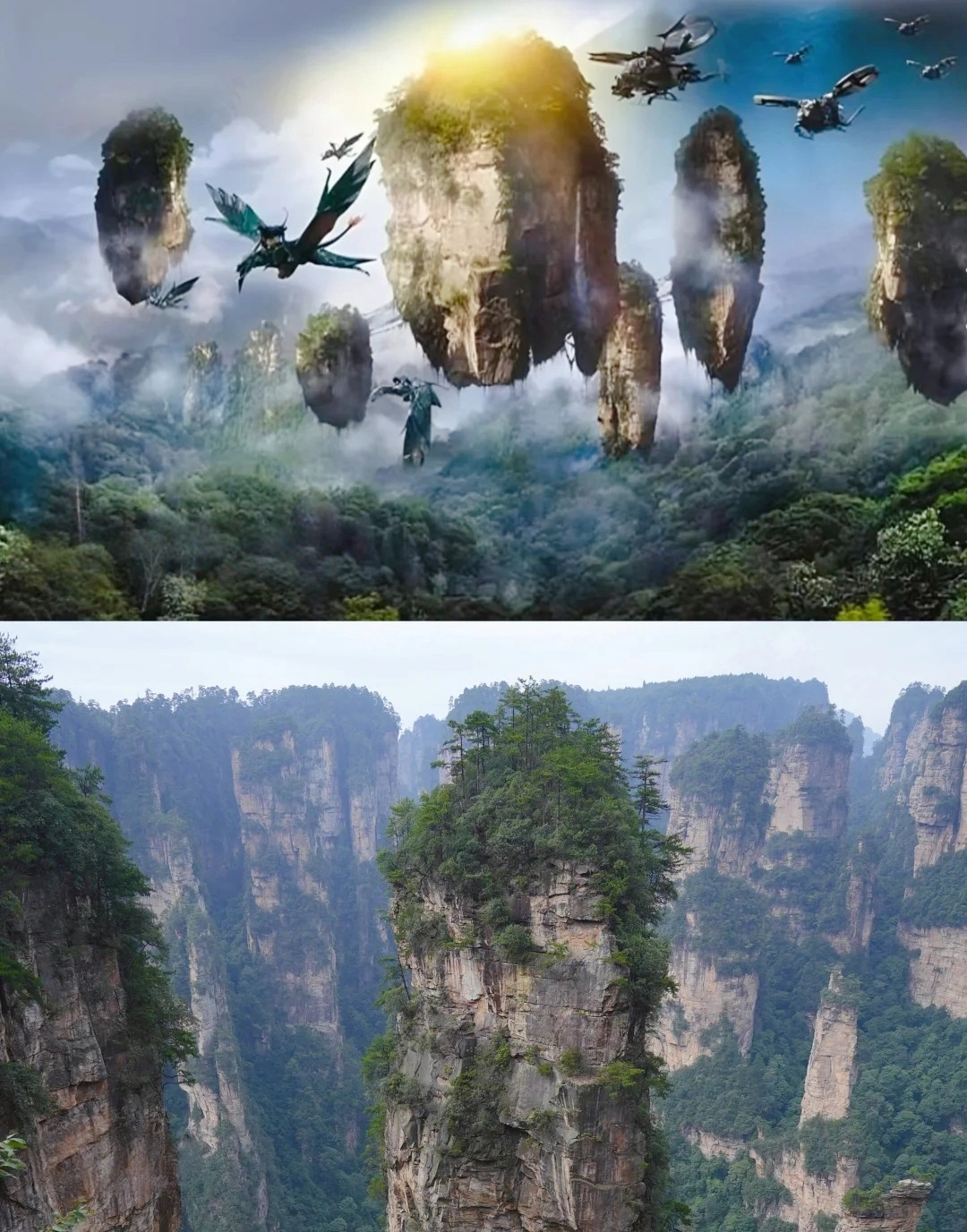
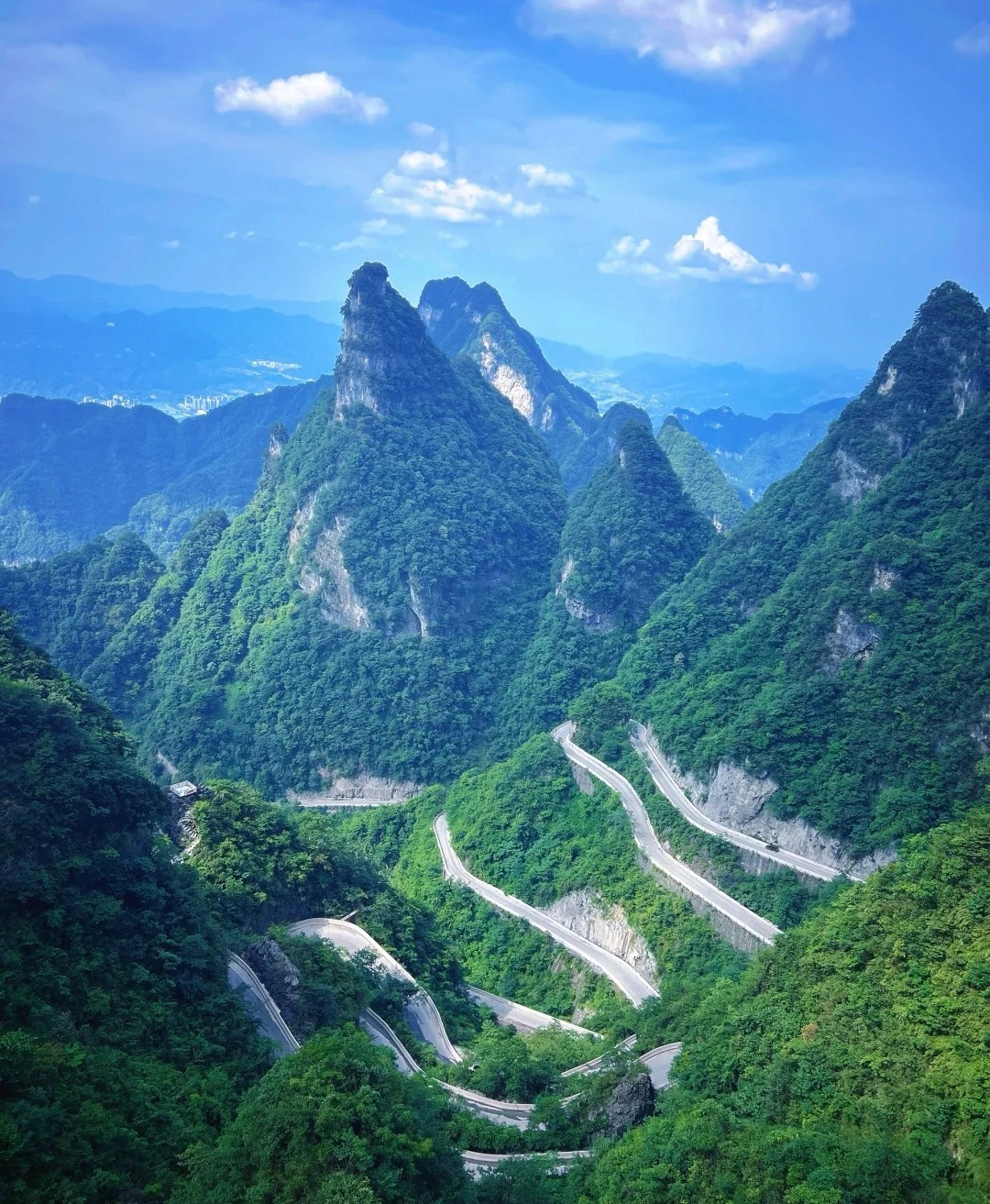
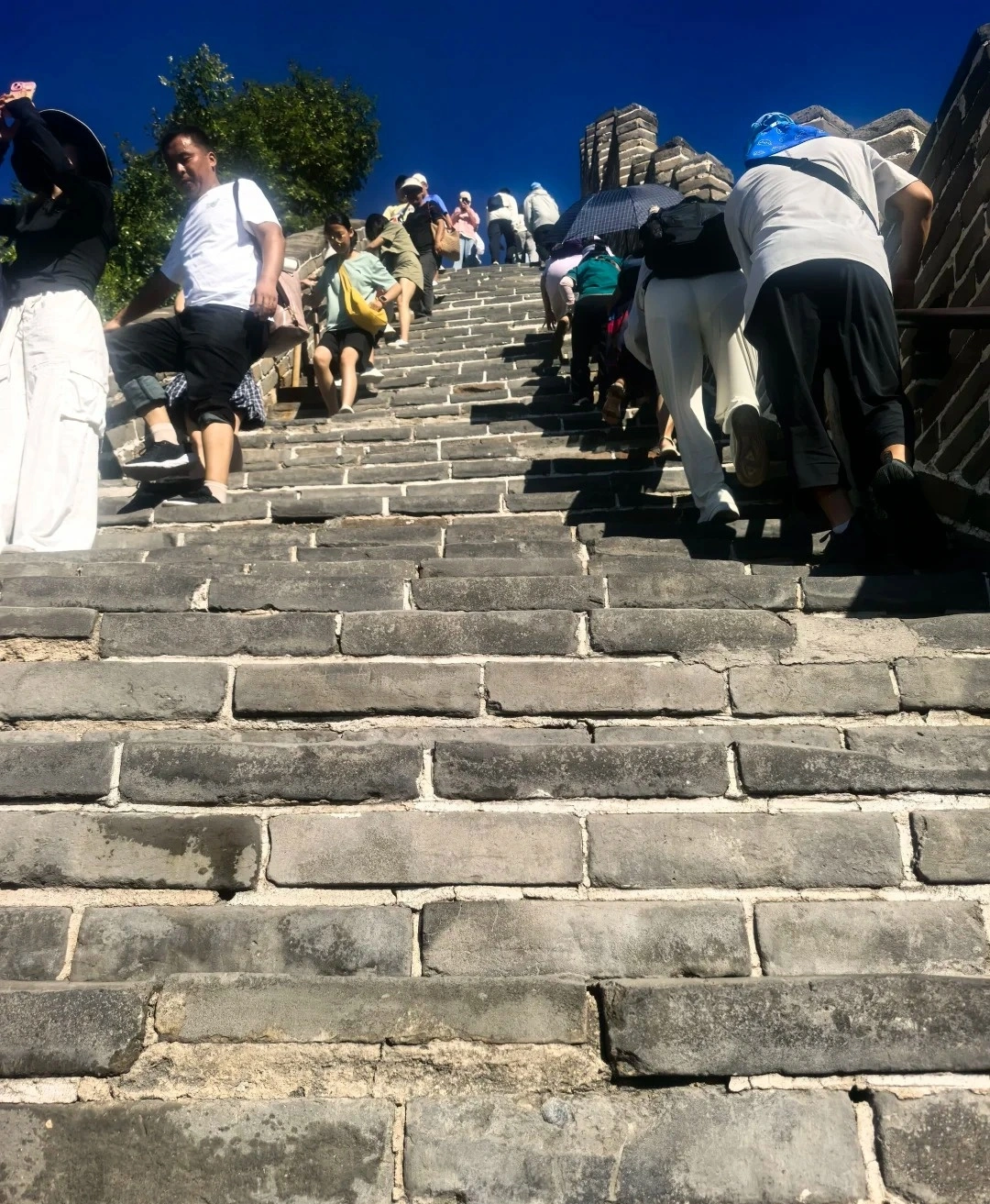
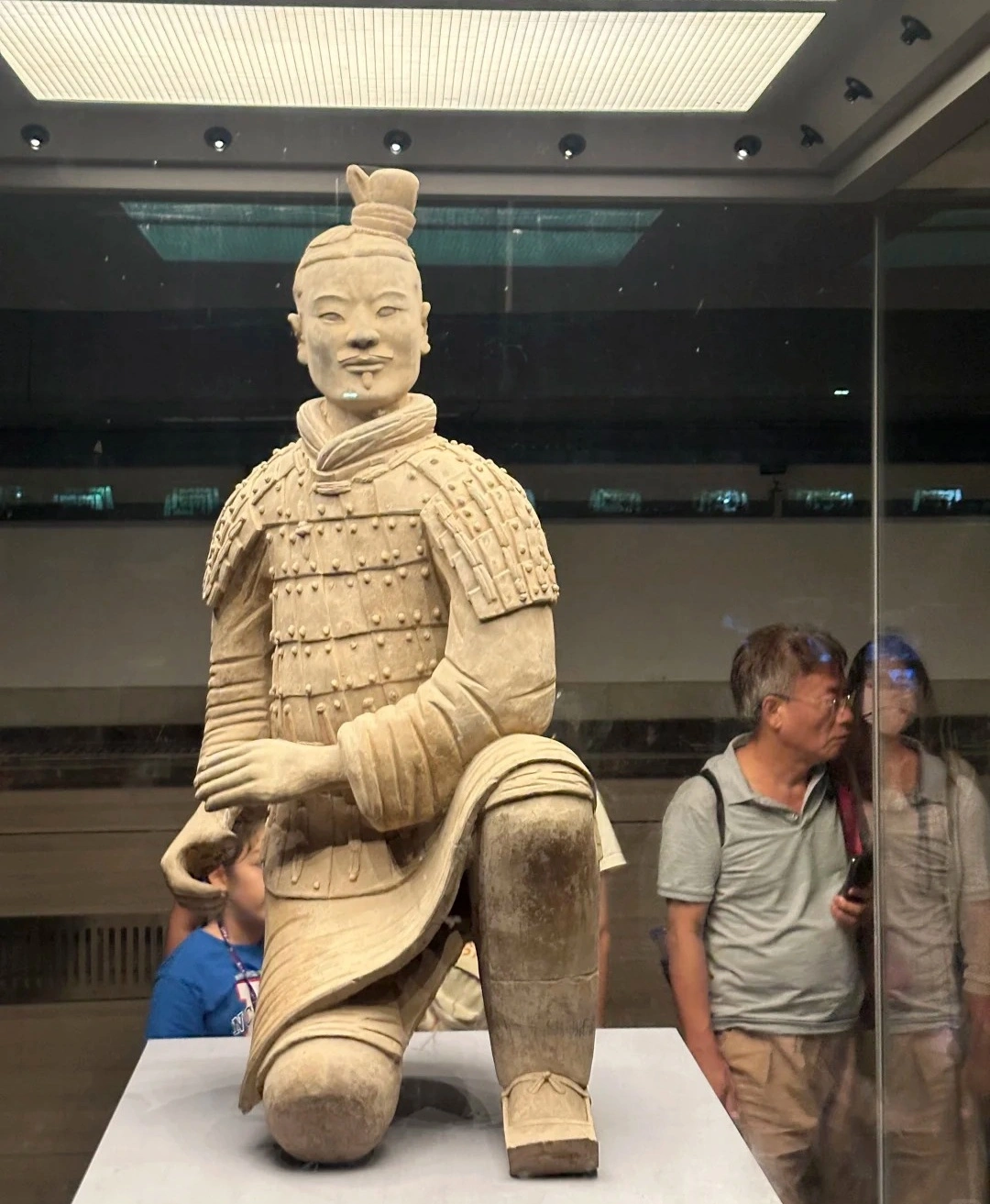
As a solo traveler from Canada, I was nervous about navigating China alone—but this 11-day tour was PERFECT! From hiking the Great Wall at sunrise (Day 3) to gasping at the Terracotta Army (Day 5), every day delivered ‘pinch-me’ moments. The real showstopper? Zhangjiajie’s Avatar Mountains (Day 7)! Our guide made the stone pillars come alive with stories.
Massive thanks for handling all logistics—bullet train tickets, entry passes, car! And the 4-star hotels surprised me.
Destination(s):
Beijing Xian Zhangjiajie Shanghai
Date of
Experience:
June 02,2025

Simon
America
Reviewed on May 29,2025
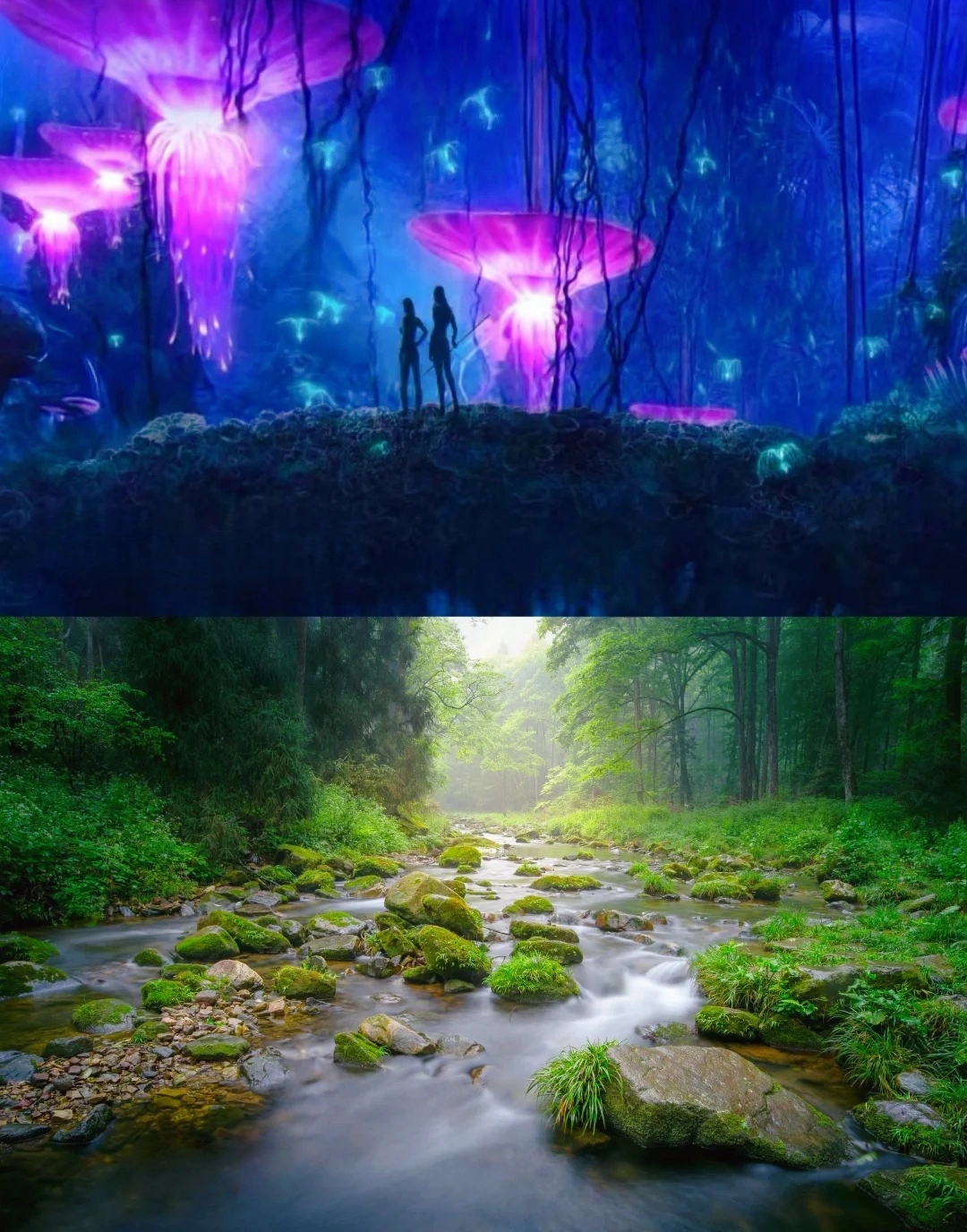
Our 2-day Zhangjiajie tour was beyond spectacular! As someone who’s visited Beijing and Shanghai for work, this trip revealed China’s wild, magical heart. Day 1 in Zhangjiajie National Forest Park felt like stepping onto Pandora—I’m a huge Avatar fan, and Yuanjiajie’s floating peaks left me breathless. The misty pillars and lush valleys like pure movie magic!
Then came Fenghuang Ancient Town, we eat dinner beside the thundering waterfall. It seems Unreal! The night views of stilt houses glowing over the river were straight from a fairy tale.
For fellow Avatar lovers and adventure seekers: Don’t miss this bucket-list experience! 10/10 would return.
A Well-Traveled Film Buff, May 2025
Destination(s):
Zhangjiajie
Date of
Experience:
May 08,2025